Lighting does more than help people see. It influences how a space looks, feels and functions. The right lighting can make a room feel larger, highlight architectural features and create a comfortable environment for everyday living or working. Poor lighting, on the other hand, can make even a well-designed interior feel uninviting.
Choosing the right lighting starts with understanding how each space will be used. A kitchen has different lighting needs than a living room, and a retail showroom requires a different approach than an office. By planning your lighting carefully, you can create interiors that are both practical and visually appealing.
Start With the Purpose of the Space
Before selecting light fixtures, think about how people will use the room.
For example:
- A kitchen needs bright task lighting for food preparation.
- A home office benefits from focused lighting that reduces eye strain.
- A living room often requires softer lighting that creates a relaxed atmosphere.
- Retail spaces need lighting that attracts attention to products without overwhelming the space.
When lighting supports the activities taking place in a room, it improves both comfort and functionality.
Use Layered Lighting
One light fixture rarely provides enough flexibility for a modern interior. Designers often use layered lighting to create balance and allow different areas of a room to serve multiple purposes.
A well-designed lighting plan usually combines three types of lighting.
Ambient Lighting
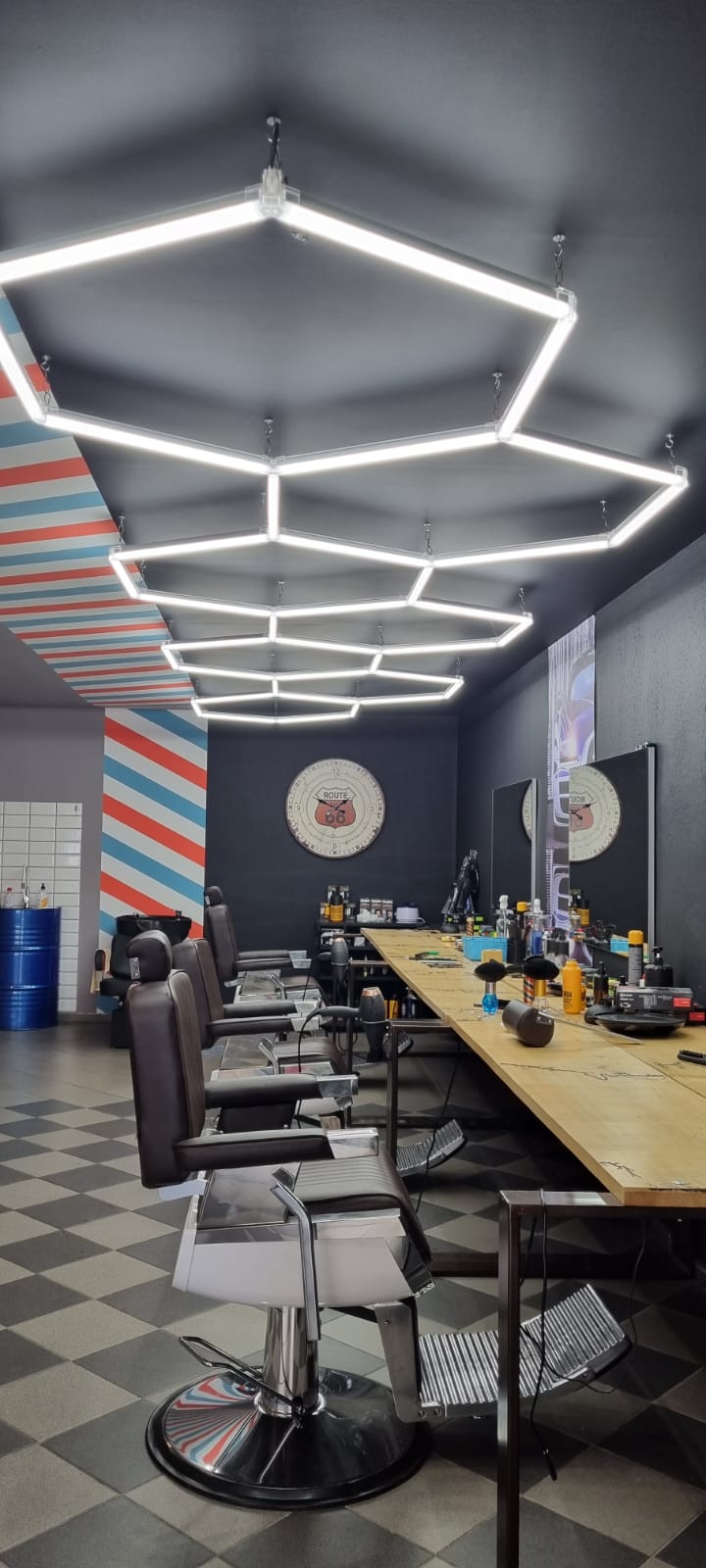
Ambient lighting provides the main source of illumination. Ceiling-mounted fixtures, recessed lights and suspended luminaires commonly perform this role.
The goal is to create even, comfortable light that allows people to move around the space safely.
Task Lighting
Task lighting focuses light where people need it most.
Examples include:
- Under-cabinet lighting in kitchens
- Desk lamps in offices
- Vanity lighting in bathrooms
- Reading lights beside beds
Providing dedicated task lighting reduces shadows and makes detailed work easier.
Accent Lighting
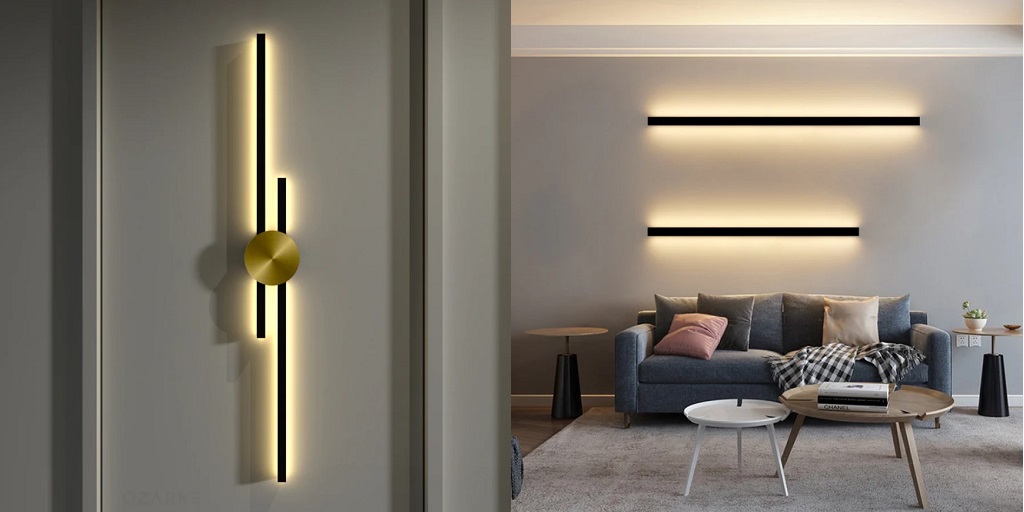
Accent lighting draws attention to specific features within a space.
It can highlight:
- Artwork
- Feature walls
- Shelving
- Architectural details
- Decorative displays
Used correctly, accent lighting adds depth and visual interest without overpowering the room.
Consider Natural Light
Artificial lighting should complement natural daylight rather than compete with it.
Rooms with large windows often require less lighting during the day but still need effective illumination after sunset. Spaces with limited natural light may need additional ambient lighting to maintain consistent brightness throughout the day.
Understanding how sunlight enters a room also helps position fixtures more effectively and avoid unwanted glare.
Think About Flexibility
Modern interiors continue to evolve. Furniture layouts change, displays move and workspaces adapt to new requirements. Choosing lighting that can adjust with these changes adds long-term value.
Rather than installing fixed fixtures that only illuminate one area, many designers prefer lighting systems that allow luminaires to be repositioned as the space changes.
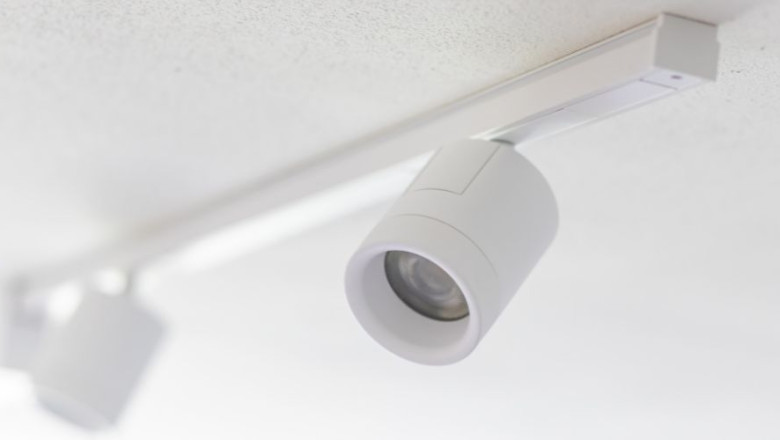
For projects where flexibility is a priority, Interior 48V Track systems provide a practical solution. They allow lighting layouts to be adjusted without major electrical work, making them suitable for homes, retail environments, hospitality venues and commercial interiors where adaptability is important.
Choose the Right Colour Temperature
Colour temperature affects how a room feels.
Warm white lighting creates a welcoming and relaxed atmosphere, making it a popular choice for living rooms, bedrooms and hospitality settings.
Neutral white lighting provides balanced illumination that works well in kitchens, offices and healthcare environments.
Cooler light is often used where visibility and concentration are priorities, such as workshops or certain commercial applications.
Selecting the appropriate colour temperature helps create an environment that matches the purpose of the space.
Pay Attention to Beam Angles
Beam angle determines how widely light spreads from a fixture.
Narrow beam angles concentrate light on a specific object or feature, making them ideal for highlighting artwork or architectural details.
Wider beam angles distribute light across larger areas and work well for general illumination.
Using a combination of beam angles creates depth while preventing dark corners or overly bright areas.
Improve Energy Efficiency
Energy-efficient lighting benefits both residential and commercial properties.
LED technology uses significantly less electricity than older lighting sources while providing long service life and consistent performance. Lower energy consumption reduces operating costs and minimises maintenance requirements because lamps need replacing less frequently.
Selecting efficient lighting products also supports more sustainable building design without compromising lighting quality.
Avoid Common Lighting Mistakes
Even well-designed interiors can suffer from poor lighting decisions.
Some of the most common mistakes include:
- Relying on a single ceiling light
- Ignoring task lighting
- Choosing fixtures that are too bright or too dim
- Creating glare through poor fixture placement
- Forgetting to highlight architectural features
- Using the same lighting throughout every room
A thoughtful lighting plan considers each area's function while creating a consistent flow throughout the property.
Plan Your Lighting Early
Lighting should be part of the design process from the beginning rather than an afterthought. Early planning allows lighting, architecture and interior design to work together, resulting in spaces that are both functional and visually balanced.
Considering room layout, furniture placement, ceiling design and natural light before selecting fixtures helps avoid costly changes later in the project. It also creates more opportunities to combine ambient, task and accent lighting in ways that improve both usability and appearance.
Good Lighting Brings Every Interior to Life
The right lighting transforms the way people experience a space. It supports everyday activities, highlights design features and creates the atmosphere you want to achieve.
By understanding how different types of lighting work together and selecting solutions that offer flexibility, efficiency and visual comfort, you can create interiors that remain functional and attractive for years to come. Whether you're designing a home, office, retail space or hospitality venue, a well-planned lighting scheme is one of the most valuable investments you can make.