Modern customers expect brands to offer more than products and services. They want opportunities to explore solutions, understand innovations, interact with technology, and connect with businesses in meaningful ways. A well-planned customer experience center can provide this environment by combining product demonstrations, interactive displays, brand storytelling, and personalized customer interactions.
For businesses operating in competitive industries, creating an engaging physical environment can strengthen brand perception and encourage deeper customer relationships. The right design approach ensures that every part of the space contributes to a consistent and memorable visitor journey.
Understanding the Purpose of a Customer Experience Center
A customer experience center provides a dedicated environment where customers, partners, prospects, and other stakeholders can interact directly with a brand. Instead of simply presenting products on shelves or screens, the space can demonstrate how solutions work and explain their real-world value.
The environment may include product demonstration zones, interactive technology, presentation areas, meeting spaces, digital displays, and dedicated consultation areas. These elements can be arranged to guide visitors through a logical journey while encouraging meaningful conversations with brand representatives.
Turning Product Displays Into Experiences
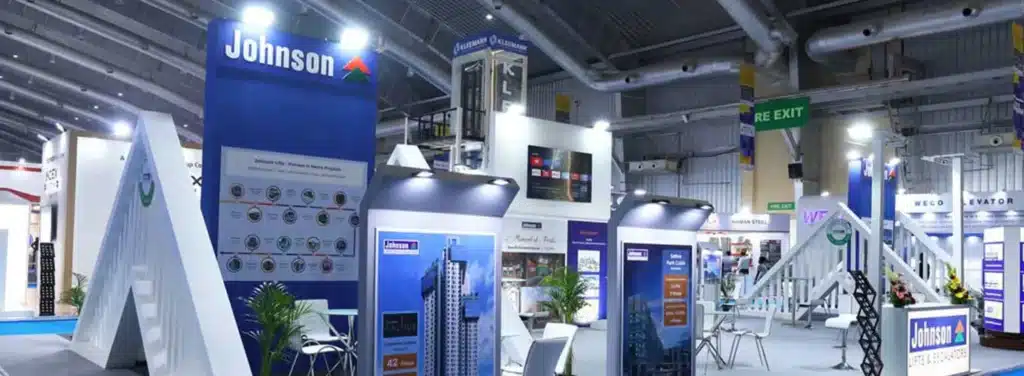
Traditional product displays often focus on information, while modern experience-focused spaces aim to encourage participation. Visitors can interact with products, watch demonstrations, explore digital content, or participate in guided presentations.
This approach can make complex information easier to understand and help customers connect a product's features with their specific requirements. It also gives sales and marketing teams an environment where they can have more productive discussions with potential customers.
The Role of an Exhibition Stall Design Company
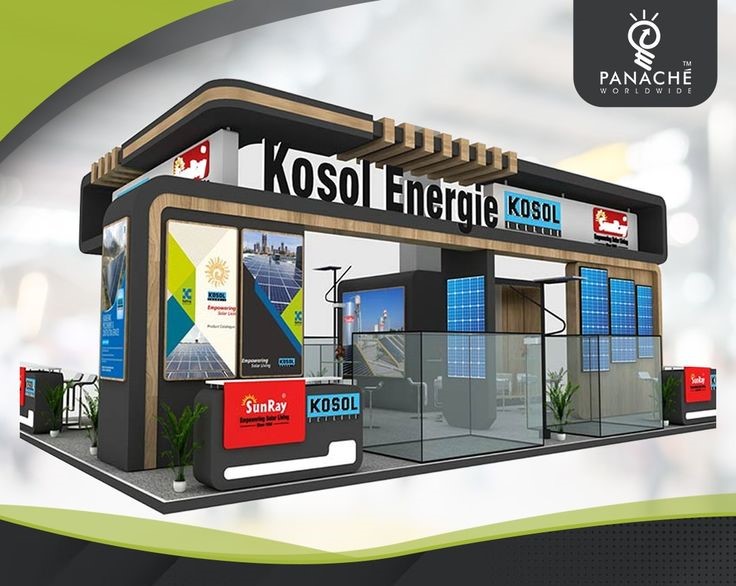
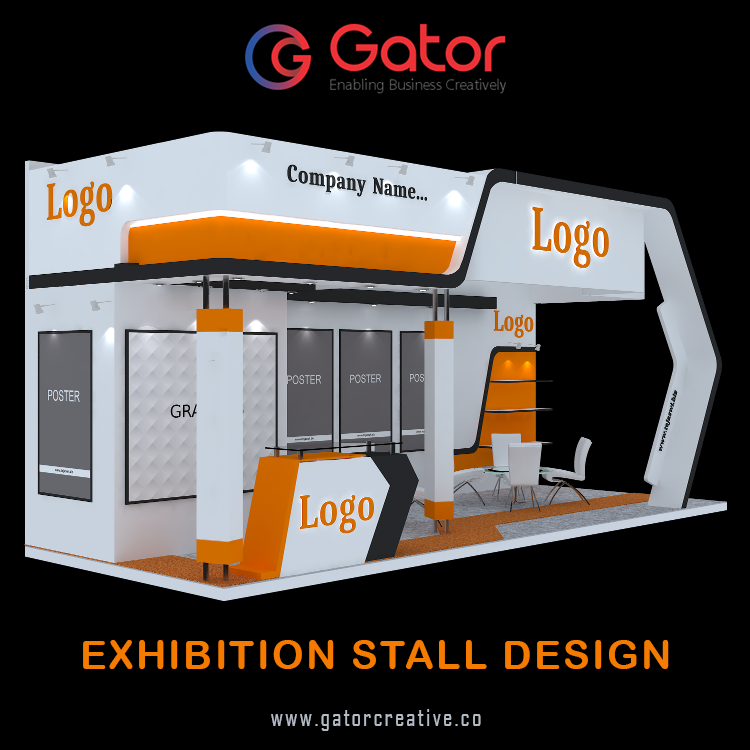
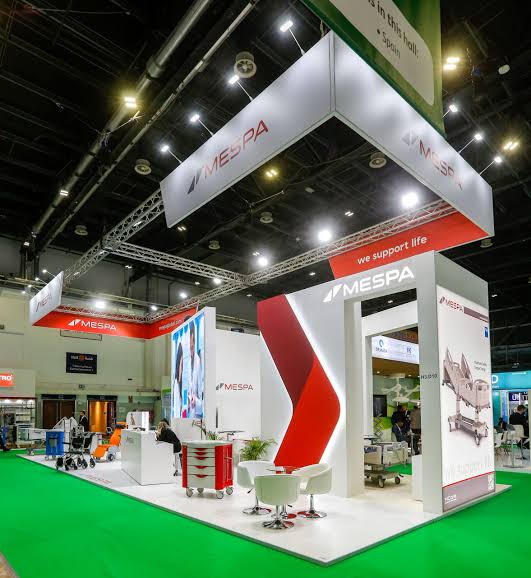
An experienced exhibition stall design company understands how physical environments can influence attention, movement, and engagement. These skills are valuable when creating customer-focused spaces because exhibition design requires a careful balance between visual impact, functionality, branding, and visitor interaction.
Professional designers can translate a company's brand identity into architectural elements, graphics, lighting, displays, furniture, and digital experiences. They also consider practical factors such as visitor circulation, accessibility, storage, technology requirements, and operational needs.
Creating a Consistent Brand Identity
Brand consistency is essential for building recognition and trust. The customer experience center should reflect the same visual language used across the company's other marketing channels.
Colors, typography, imagery, messaging, architectural features, and product presentation can be integrated into one cohesive environment. This creates a recognizable brand atmosphere and helps visitors associate the physical experience with the company's broader identity.
Designing for Different Customer Journeys
Not every visitor arrives with the same objective. Some may want to explore products, while others may be interested in technical information, demonstrations, or business discussions.
A flexible environment can accommodate different customer journeys through clearly defined zones. Demonstration areas can support product education, presentation spaces can communicate broader solutions, and private meeting areas can facilitate detailed discussions.
Integrating Interactive Technology
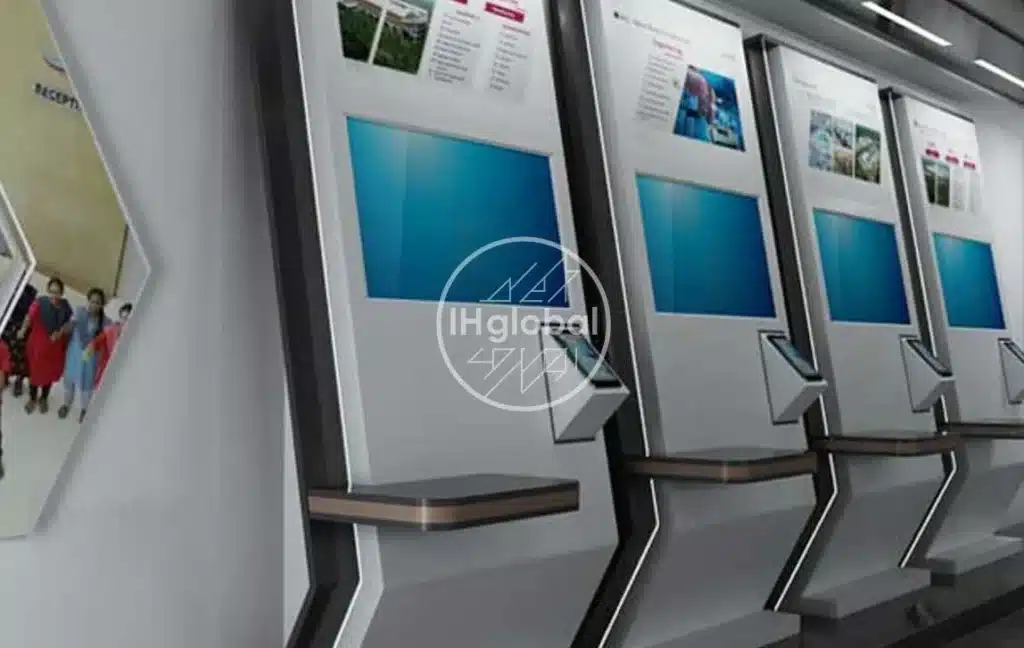
Technology can make the experience more engaging when it is connected to a clear business purpose. Touchscreens, interactive displays, digital product demonstrations, video walls, and immersive presentations can help visitors explore information at their own pace.
However, technology should complement the physical experience rather than distract from it. The strongest environments combine digital tools with human interaction, physical products, and clear storytelling.
Measuring Brand Engagement
A customer-focused environment should support measurable business objectives. Companies can evaluate visitor engagement through meeting participation, product demonstrations, inquiries, feedback, lead generation, and follow-up opportunities.
Design can also contribute to engagement by creating comfortable areas for discussions and strategically positioning important products or messages. When the environment is aligned with business goals, the space becomes a valuable marketing and sales asset rather than simply an attractive interior.
Conclusion
A thoughtfully designed customer experience center can help businesses communicate their value, demonstrate products, strengthen relationships, and create memorable interactions. The environment should bring together brand identity, functionality, technology, and storytelling to deliver a complete customer journey.
An experienced exhibition stall design company can bring valuable expertise to this process by applying proven principles of spatial design, visitor engagement, and brand presentation. With strategic planning and creative execution, businesses can transform their physical spaces into powerful platforms for long-term brand engagement.

Creating a Powerful First Impression
In today’s competitive exhibition landscape, an effective exhibition stall de