If you've been thinking about LASIK eye surgery, you've probably got questions about what's involved, whether you're suitable and what recovery is actually like.
LASIK corrects refractive errors such as myopia (short-sightedness), hyperopia (long-sightedness) and astigmatism. For many people, it reduces dependency on glasses or contact lenses. It's still surgery on a healthy eye, though, and it isn't right for everyone.
Here's what to understand before you book an assessment.
Are You a Candidate?
The first thing to establish isn't how the surgery works. It's whether you should be having it at all.
Age is the starting point. Most surgeons prefer to wait until you're at least 18, and often into your early twenties, once your prescription has settled. They'll want to see around twelve months without meaningful change, since treating an eye that's still shifting means correcting a prescription you won't have for long.
Several conditions also rule LASIK out or point towards a different procedure:
- keratoconus
- glaucoma or cataracts
- corneas that are too thin or irregularly shaped
- uncontrolled diabetes
- active autoimmune conditions
- significant existing dry eye
Not all barriers are permanent. Pregnancy and breastfeeding shift your prescription temporarily, so you'll be asked to wait. Some medications affect healing, so bring a full list.
None of this is something you can assess yourself, which is why the first appointment matters as much as it does.
What the Assessment Involves
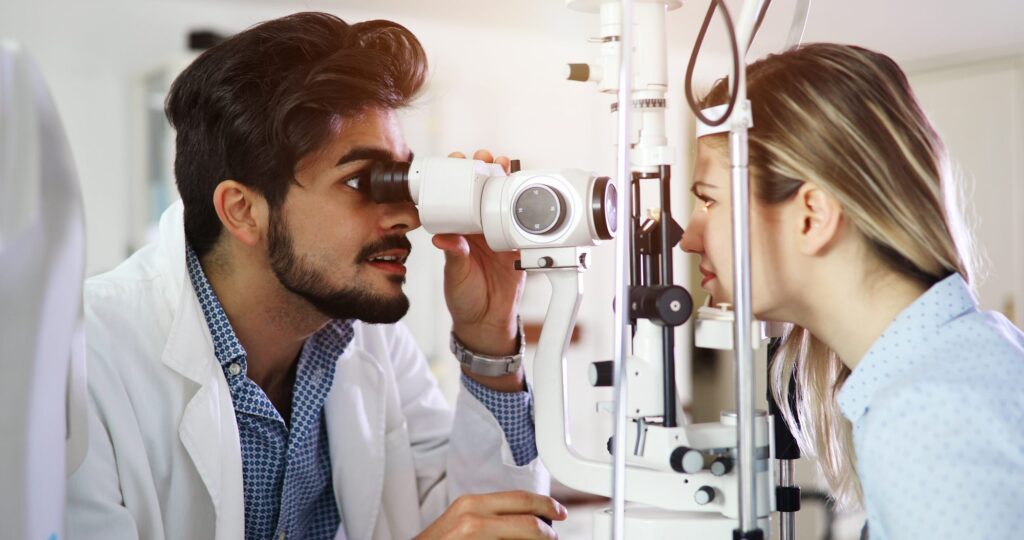
An assessment goes well beyond reading an eye chart. Its real purpose is to find the reasons not to operate.
Your specialist will:
- measure your visual acuity and prescription
- map the surface of your cornea
- measure corneal thickness
- check your tear film
- measure your pupils, since larger pupils are linked to more glare at night
- examine the back of your eye
Corneal mapping matters most. It picks up keratoconus at a stage where you'd have no symptoms and no reason to suspect anything, and treating an eye with undetected keratoconus is how the most serious complication of laser surgery happens.
Those measurements also determine which procedure suits you, which is why some people leave an assessment recommended something other than LASIK.
In New Zealand, ophthalmologists carry out laser vision correction, holding vocational registration with the Medical Council of New Zealand. You can check any doctor's registration on the Council's public register.
If LASIK Isn't the Answer
Being unsuitable for LASIK rarely means being unsuitable for everything.
- PRK reshapes the cornea without creating a flap. It suits thinner corneas and contact sports, though the first few days are more uncomfortable.
- SMILE works through a small keyhole incision and treats a narrower range of prescriptions.
- Lens-based procedures replace or supplement the eye's own lens rather than reshaping the cornea, often considered where the lens itself is already changing.
Ask which of these your eyes are suited to rather than assuming LASIK is the starting point. If it is the recommendation, here's what's involved.
How LASIK Works
Your cornea is the clear front surface of your eye, and its shape determines where light lands. LASIK changes that shape.
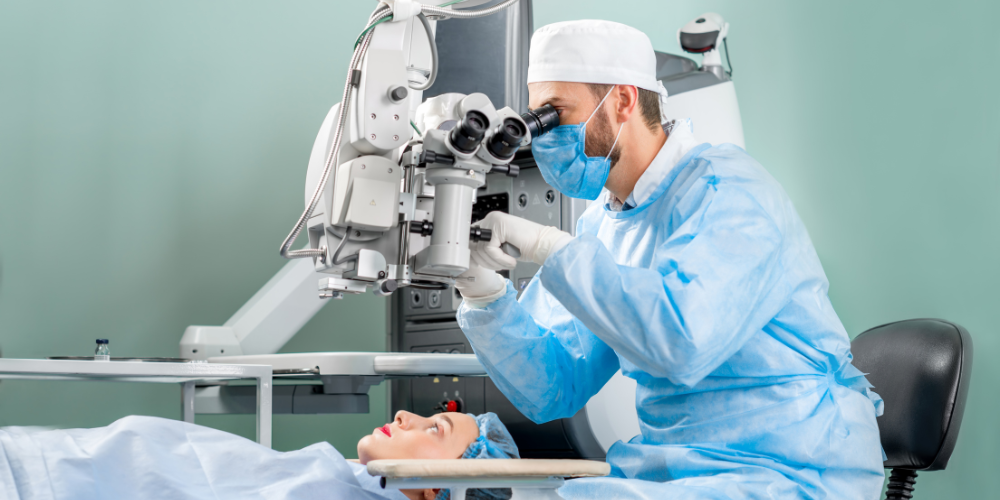
A femtosecond laser creates a thin hinged flap in the cornea. Your surgeon folds it back, and a second laser removes a calculated amount of tissue underneath. The flap goes back into place and seals over the next few hours without stitches.
The flap bonds well but never regains the strength of untouched cornea. It rarely causes problems, though tell your surgeon if you box, play rugby or work somewhere you might take a knock to the face. That's one of the situations where PRK comes up instead.
Preparing for Surgery
Preparation starts before your assessment rather than before the operation. Contact lenses reshape the cornea slightly, so you'll need to leave them out first: soft lenses usually one to two weeks, rigid gas permeable lenses three to four weeks or more. Follow the timing your clinic gives you, since your measurements are only as reliable as the eye they're taken from.
On the day, the procedure is outpatient and takes around 15 minutes for both eyes. Anaesthetic drops numb the eye surface, so there's no injection and no general anaesthetic. You'll rest briefly, then go home with someone else driving.
You'll be seen the following day, usually when driving is cleared, and again around a month later once your vision has settled.
What Recovery Is Like
- First few hours: Gritty, watery eyes and harsh light. Most people rest and sleep it off.
- Day one: Vision is usually clear enough to get on with things.
- First week: Drops several times a day. Avoid rubbing your eyes, eye makeup, swimming and dust.
- First month: No contact sports or swimming. Vision keeps sharpening.
Desk work is fine after a day or two. If your job involves dust, chemicals or heavy physical work, ask how long to allow.
When You'll See Results
Many people notice an improvement within the first day or two, though vision keeps settling for weeks afterwards. Most reach stable vision within one to three months.
What that vision looks like varies. The goal is to reduce dependence on glasses, not to guarantee perfect vision. Some people still prefer glasses for night driving, and a smaller number have a second procedure to fine-tune the result. Ask early whether that's included in your quote.
Alongside the result, it's worth understanding what can go wrong.
What Are the Risks?
Laser vision correction has been performed for several decades, but no surgery is without risk.
Dry eye is the most common issue afterwards. It's usual in the early weeks and settles for most people within three to six months. For a smaller number, it lasts longer and needs ongoing treatment, which is why your tear film is assessed beforehand.
Glare and halos at night are common early and usually fade. They're more likely with larger pupils or a stronger prescription.
Corneal ectasia is the most serious complication. The cornea gradually weakens and bulges after surgery, distorting vision, and treatment can involve rigid contact lenses, cross-linking or a corneal transplant. It's uncommon, and careful screening is what prevents it.
Infection and flap complications are also uncommon and manageable when picked up early, which is why follow-up appointments matter.
Your own risk depends on your corneal thickness, prescription and pupil size, so ask your surgeon to talk you through yours rather than the general picture.
Conclusion
Take the time you need. A good specialist will welcome your questions and won't expect you to decide on the spot.
Ask whether you're a candidate and, if not, why not. Ask which procedure suits your eyes and why that one. Ask what result is realistic for your prescription, and what your particular risks are. The answers should be about your eyes specifically, not about outcomes in general.
Laser eye surgery is elective in New Zealand, so it's funded privately. A thorough assessment and a frank conversation with a qualified eye specialist are the best basis for deciding.