






Scaling self-serve protein nutrition is not a matter of repeating the first installation. The commercial challenge is to standardize enough of the system to control cost while localizing the parts that determine customer acceptance and legal readiness.
A global operator may use one core self-serve protein nutrition platform, but each market can require different languages, payments, ingredients, water arrangements, certificates, service partners, and pricing. The playbook must separate global decisions from local approvals.
Define the Global Standard
Create a controlled baseline before allowing country teams to customize. The global standard should identify:
• Approved machine and option configurations.
• Core software and remote-management version.
• Data fields, alert definitions, and reporting cadence.
• Cleaning principles and evidence requirements.
• Brand rules and minimum customer-information content.
• Spare-parts kit and escalation process.
• Acceptance tests for every new unit.
This baseline makes sites comparable. Without it, each local launch becomes a unique project and fleet data loses meaning.
Create a Localization Matrix
Not every decision belongs at headquarters. Build a matrix with an owner and evidence requirement for each market variable.
Customer layer
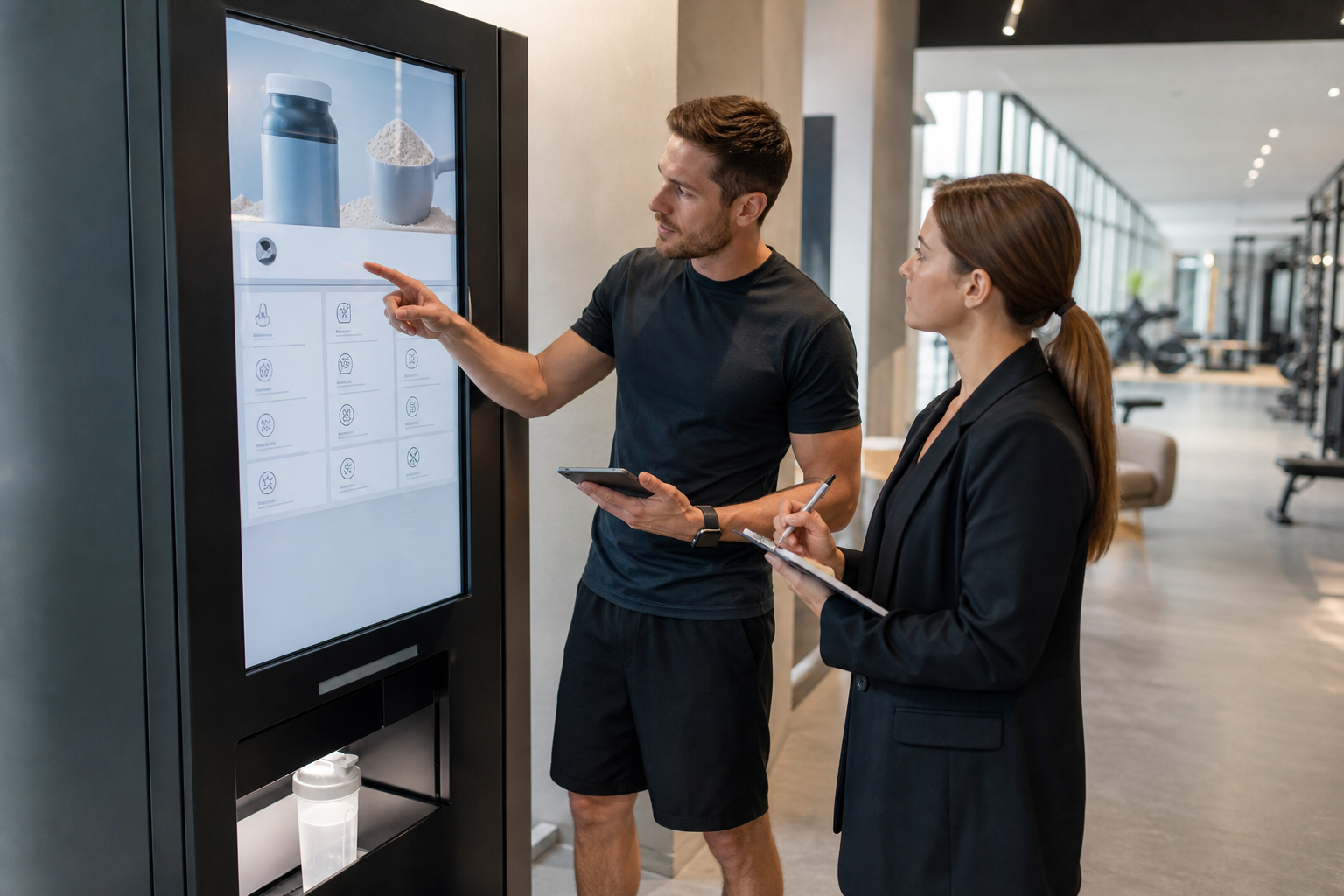
Local teams should validate menu names, language, portion preferences, price, payment methods, support channels, and promotional rules. They should also test whether the offer suits the site—an urban club, hotel gym, campus facility, or value fitness chain may need a different proposition.
Compliance and site layer
Local owners should confirm food information, allergens, food handling, electrical installation, accessibility, consumer terms, payment, data, and venue approval. Keep the evidence in the launch file rather than relying on an email statement that the market is “covered.”
Supply layer
Decide which powders, cups, cleaning products, and spare parts are globally sourced and which are local. Import delays or an unavailable consumable can stop a technically functional machine, so every critical item needs a replenishment lead time and fallback.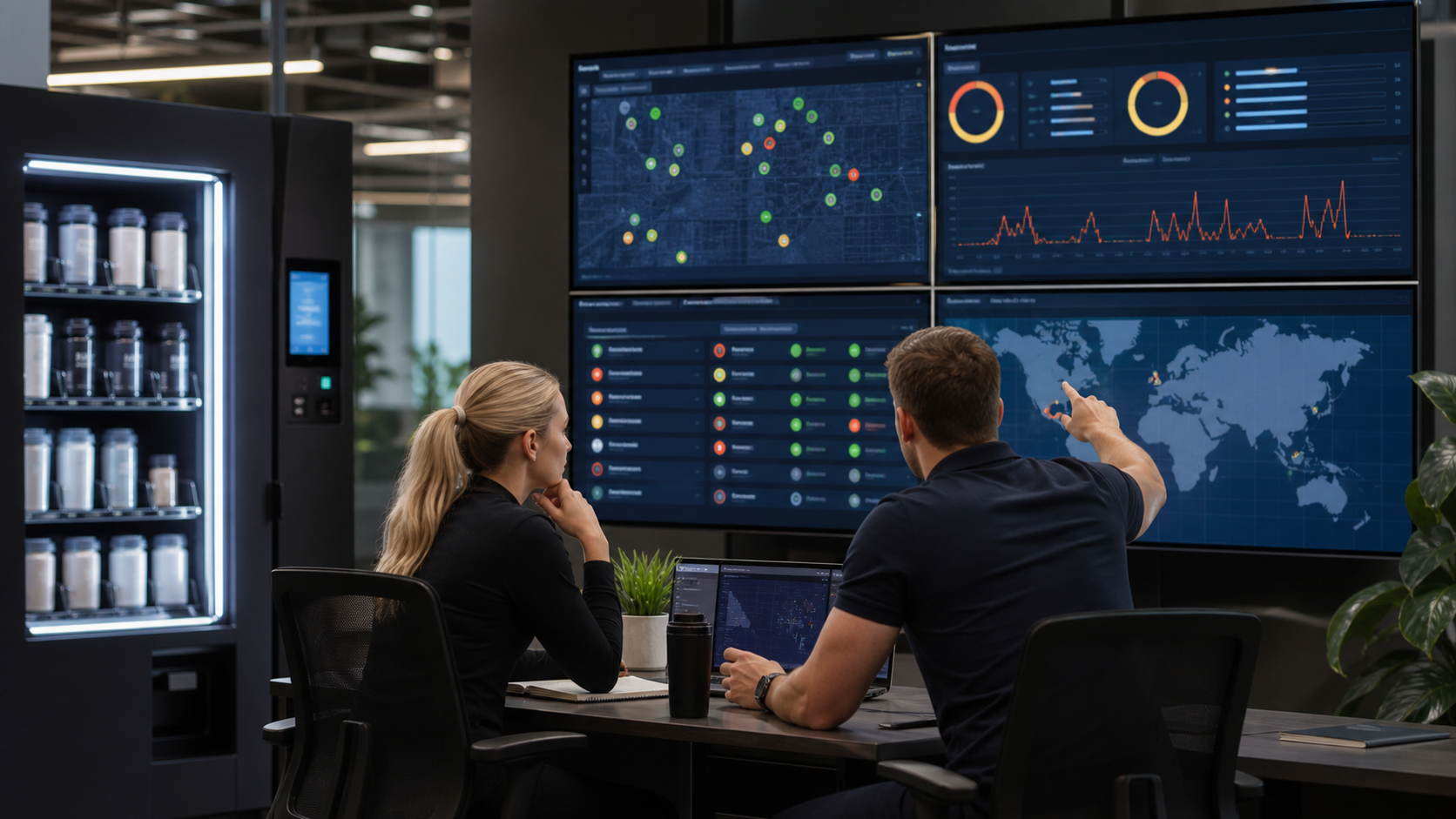
Design the Fleet Operating Model
Central monitoring is useful when alerts are consistent and routed to accountable teams. Define severity levels:
1. Customer-blocking: payment failure, no cups, dispensing fault.
2. Product-risk: ingredient, water, temperature, or cleaning issue.
3. Capacity: low stock or high expected demand.
4. Maintenance: component wear or non-urgent service.
For each level, specify the local responder, central owner, target response time, and escalation. Fleet dashboards should support action rather than simply accumulate status data.
Use One Commercial Model per Site Archetype
Country averages hide important differences. Model economics by site archetype: premium club, 24-hour gym, campus, corporate wellness center, hotel, or mixed-use property.
The site model should include transaction demand by daypart, product cost, payment fees, refill labor, cleaning time, waste, service travel, revenue share, expected downtime, and equipment financing. Separate revenue from strategic value such as member convenience or premium amenity positioning.
A launch should not pass because the best site produces a short payback. The portfolio model needs to show how average and weak sites will be identified, improved, relocated, or removed.
Establish Change Governance
Remote updates make it easy to change price, recipes, menus, and interface content. They also create the risk that the customer screen, loaded ingredients, and operating records diverge.
Use a simple release process:
• Request with market and site scope.
• Review by commercial and food-information owners.
• Test on a controlled unit.
• Scheduled deployment with rollback plan.
• Post-update verification and record.
The same discipline should apply to software and payment changes. A fleet is easier to scale when it has fewer uncontrolled versions.
Roll Out Through Evidence Gates
Use stages instead of a large initial order.
Gate 1: Laboratory and integration
Confirm configuration, payment, menu behavior, alerts, cleaning access, and remote management.
Gate 2: Single-site pilot
Validate demand, staffing, reliability, product quality, and customer support at a representative location.
Gate 3: Market cluster
Deploy several units to test service routes, local supply, spare parts, and management reporting.
Gate 4: Portfolio expansion
Expand only when the cluster meets agreed availability, waste, response, and commercial thresholds for a sustained period.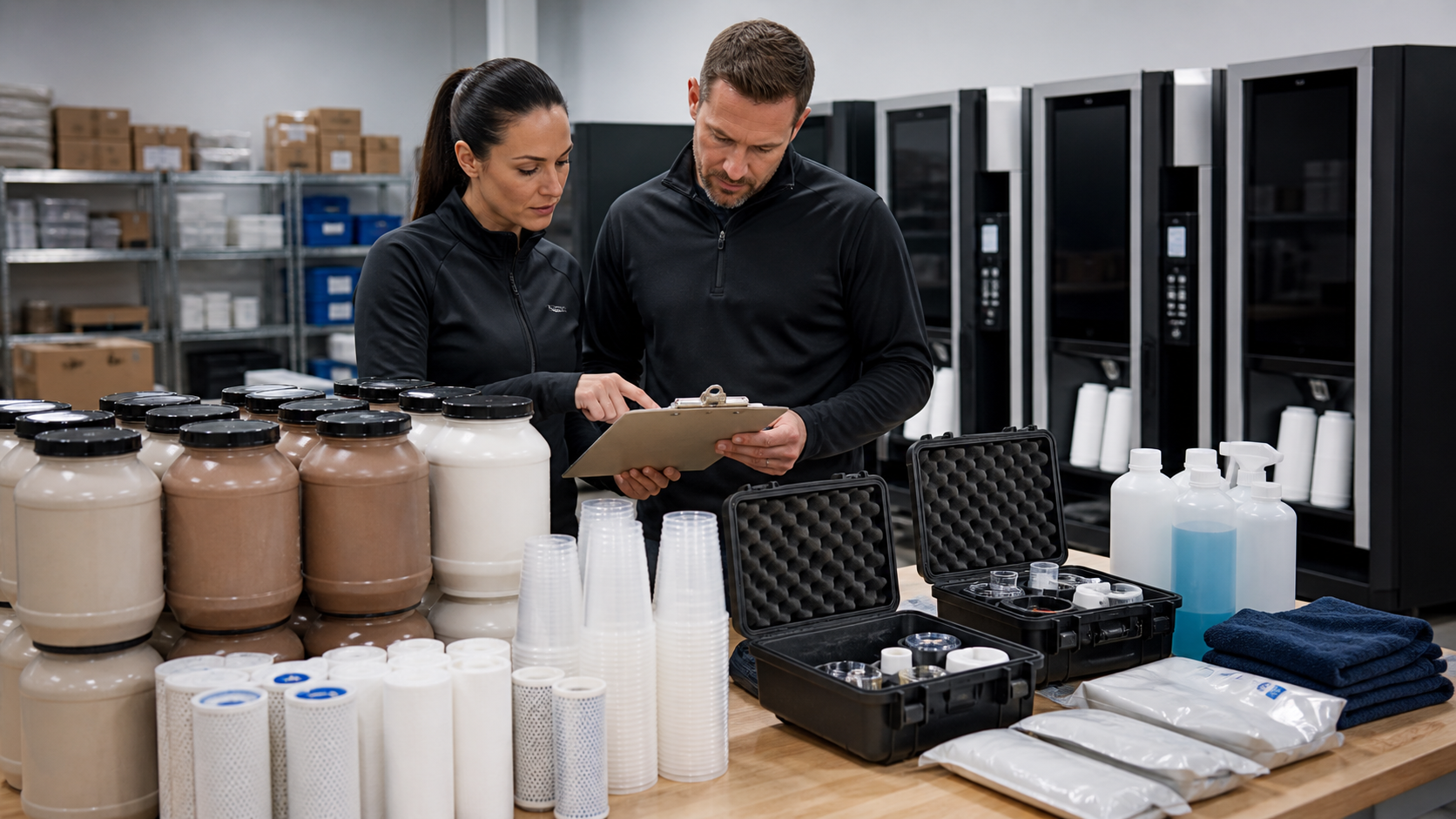
Frequently Asked Questions
What should remain identical across countries?
Keep the core machine configuration, software control, data definitions, safety baseline, acceptance testing, and fleet reporting as consistent as practical. Localize customer, compliance, payment, ingredient, and service elements where evidence requires it.
Should one global team manage every alert?
No. Central teams should govern standards and visibility; local teams usually need to handle physical stock, cleaning, site access, and first response.
When is a market ready for a larger order?
After a cluster proves demand, reliable supply, compliant operation, service capacity, and acceptable unit economics—not merely after a successful launch event.
Convert Expansion Plans Into a Configuration Matrix
Caiyunjuan can review a global project when the buyer provides site archetypes, countries, expected volumes, approved ingredients, payment strategy, languages, remote-management needs, service model, utilities, branding rules, and rollout gates. A configuration matrix reduces quotation ambiguity and makes future changes auditable.
Sources and Reference Points
1. Codex Alimentarius General Principles of Food Hygiene.
2. ISO 22000 food-safety management framework where adopted by the operator.
3. Applicable national food, consumer, accessibility, payment, electrical, and data requirements.
Explore options for self-serve protein nutrition.
For a site-specific review, contact Caiyunjuan.

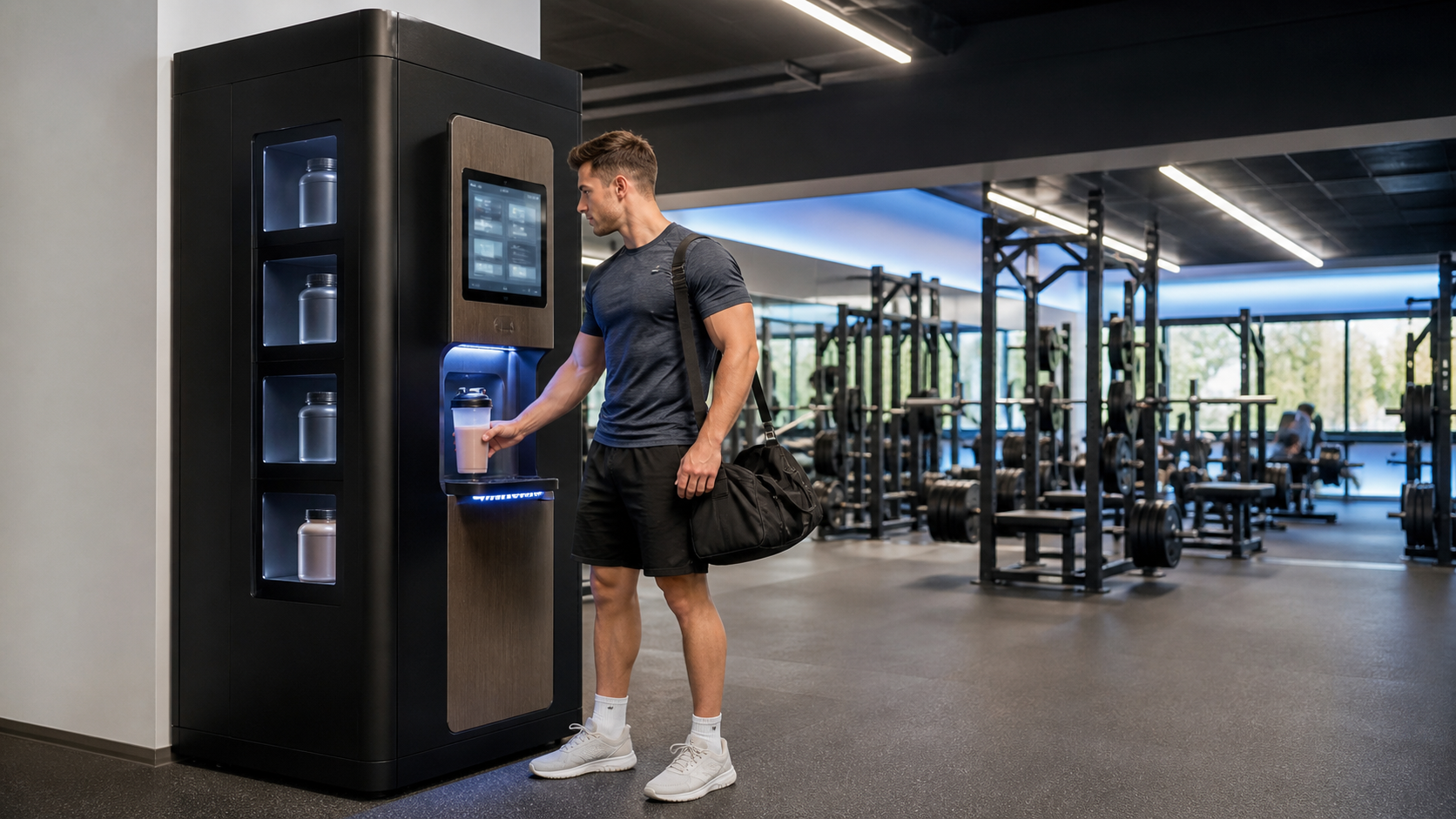
A 24-hour gym promises access beyond staffed hours, but its food and beverage offer often stops when the front desk closes. Protein vending can close that gap only when it behaves like a reliable m
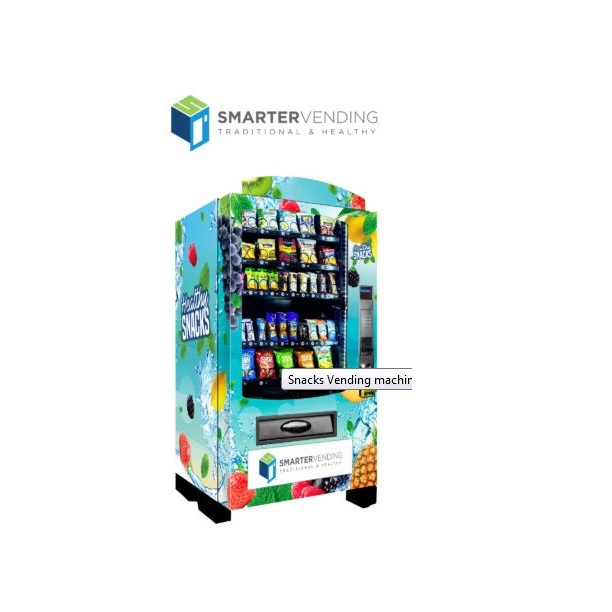
Planning to install a vending machine for customers?
Smarter Vending is an ideal destination which provides you Vending Machine Service in Ontario.
They are the leading sellers of vending machines at your location.
Our vending machines are available at your budget.
For more information, visit us.
How can we help?Selling your vending machine or vending machine business has never been easier than with Just Now Vending.
Our team of vending professionals has the knowledge and experience you need to get the best possible price, and we’ll handle all the details for you.
Our trusted three-step security process will protect you and your information during the sale process, and you can rest easy knowing your vending machine or business is in trusted hands every step of the way.Just Now has been in the vending industry for over 20 years.
Our professional team has the expertise you need to get the best price, and our dedicated customer support means we’re always here to answer your questions.Our services mean you gain a wider audience for the sale of your vending machine or business.
Our centralized listings and search tools mean customers can find exactly what they need, and you will have the best possible exposure for your sale.
List your vending machine business or vending machine with Just Now Vending today, and start selling!Sell a Vending Machine BusinessThose looking to sell an established Sell vending machine business can count on Just Now Vending.