

Quick Summary
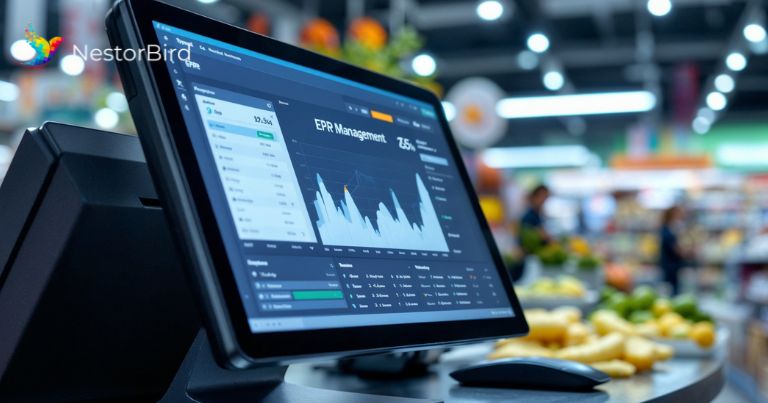
Retail ERP software brings sales, inventory, purchasing, accounting, customer data, and business operations into one connected platform. It helps retailers replace disconnected systems and spreadsheets with centralized, real-time information. From managing stock across multiple stores to tracking sales and improving financial control, a retail ERP system can simplify daily operations and support better decisions. For growing retailers, it also provides the flexibility to manage omnichannel sales, automate repetitive tasks, and scale operations across locations and markets.
Introduction
Retail has become a complex business involving physical stores, e-commerce, marketplaces, suppliers, warehouses, and increasingly demanding customers. Managing these moving parts with separate tools can create data gaps, duplicate work, and costly errors. Retail ERP software provides a unified system for managing core retail processes from a single platform. It connects front-office and back-office operations, giving businesses better visibility into sales, inventory, purchasing, finance, and customer activity. Whether a company operates one store or a global retail network, an ERP solution can improve operational efficiency, support accurate reporting, and create a stronger foundation for sustainable growth.
Key Takeaways
Retail ERP software connects major retail operations in one system.
Real-time inventory visibility helps reduce stockouts and excess inventory.
Integrated sales and accounting improve financial accuracy.
Automation reduces repetitive administrative work.
Omnichannel capabilities help retailers connect stores and online channels.
Centralized data supports faster, more informed business decisions.
Scalable ERP systems can support retail growth across locations and markets.
What Is Retail ERP Software?
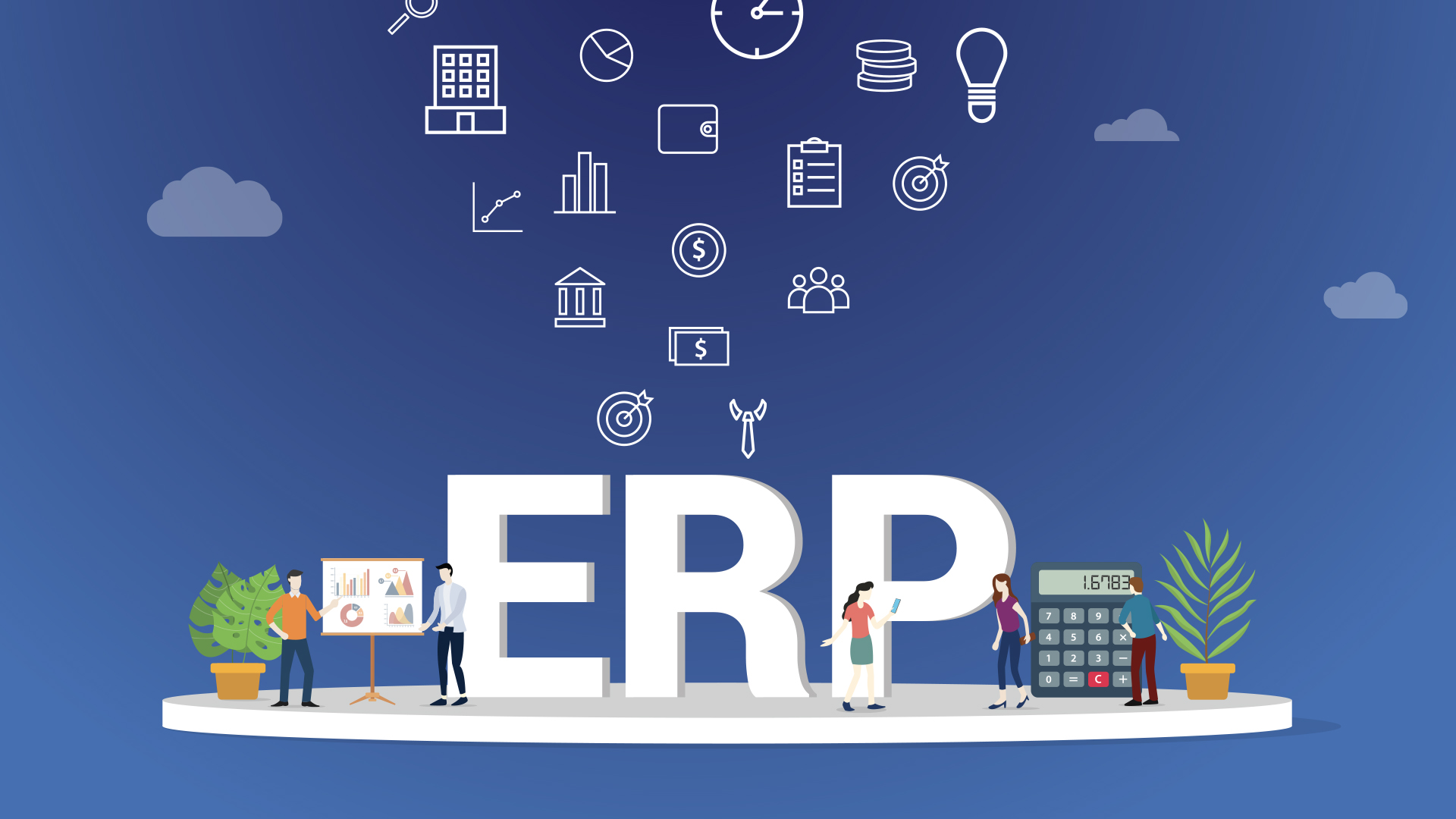
Retail ERP software is an enterprise resource planning system designed to manage the specific operational needs of retail businesses. Instead of using separate applications for inventory, accounting, purchasing, sales, and customer management, retailers can manage these functions through an integrated platform.
For example, when a product is sold, the system can automatically update inventory, record the transaction, adjust financial information, and contribute to sales reports. This connected approach reduces manual data entry and gives decision-makers a more consistent view of business performance.
Key Features of Retail ERP Software
1. Inventory Management
Inventory management is one of the most important functions of a retail ERP system. Retailers can track stock levels, product movement, transfers, purchase orders, and replenishment across stores and warehouses.
Real-time inventory data helps businesses identify fast-moving products, avoid unnecessary overstocking, and reduce the risk of stockouts. Multi-location inventory management is particularly useful for retailers operating across several stores, warehouses, or countries.
2. Point-of-Sale and Sales Management
Modern retail ERP solutions can connect point-of-sale (POS) systems with back-office operations. Sales transactions can flow directly into inventory and financial records, reducing the need for manual reconciliation.
Retailers can also analyze sales by product, store, channel, employee, or time period. This information helps identify purchasing trends and make better merchandising decisions.
3. Purchasing and Supplier Management
ERP software can streamline procurement by helping retailers manage suppliers, purchase orders, pricing, deliveries, and product requirements.
Businesses can use historical sales and inventory information to make more informed purchasing decisions. Better coordination with suppliers can also improve replenishment and reduce procurement delays.
4. Accounting and Financial Management
Integrating retail operations with accounting creates a clearer picture of financial performance. A retail ERP platform can support functions such as accounts payable, accounts receivable, expenses, revenue tracking, and financial reporting.
Because sales and operational data are connected, businesses can spend less time consolidating information from different systems and more time analyzing results.
5. Customer and Loyalty Management
Customer data is another valuable component of modern retail ERP. Retailers can maintain customer profiles, purchase histories, loyalty information, and engagement data in a centralized system.
This information can support personalized promotions, loyalty programs, targeted campaigns, and better customer service across different sales channels.
6. Omnichannel Retail Management
Customers may discover products through a website, purchase through a mobile device, and collect or return them at a physical store. Retail ERP software can help connect these channels.
With centralized product, inventory, order, and customer information, retailers can create a more consistent omnichannel retail experience. This is particularly important for businesses combining brick-and-mortar stores with e-commerce.
Benefits of Retail ERP Software
Better Operational Efficiency
ERP automation reduces repetitive activities such as manual data entry, stock reconciliation, and report preparation. Employees can access the information they need without switching constantly between disconnected applications.
Improved Inventory Control
Accurate stock information helps retailers understand what they have, where it is located, and how quickly it is selling. This can improve replenishment and reduce inventory-related losses.
Faster Business Decisions
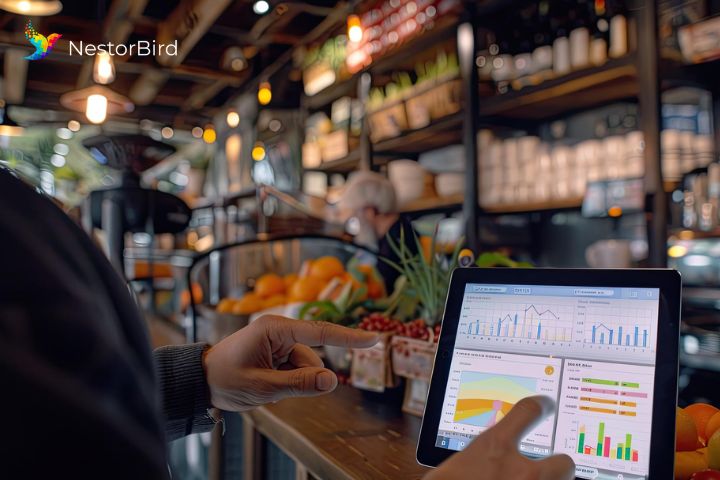
Retail ERP dashboards and reports can provide near real-time visibility into sales, inventory, expenses, and profitability. Managers can use this information to respond more quickly to changing demand.
Reduced Operating Costs
Automation and integrated workflows can reduce administrative effort and minimize costly errors. Better inventory planning can also help reduce carrying costs and unnecessary purchases.
Easier Multi-Store Management
Retailers with multiple locations can manage products, pricing, purchasing, inventory, and financial information centrally while maintaining visibility into individual stores.
How to Choose the Right Retail ERP System
The best retail ERP solution depends on the retailer's size, business model, number of locations, sales channels, and growth plans. Before selecting software, businesses should evaluate:
Scalability: Can the system support additional stores, users, products, and markets?
Integration: Does it connect with POS, e-commerce, payment, accounting, CRM, and marketplace systems?
Usability: Can employees learn and use the platform without excessive training?
Reporting: Does it provide useful dashboards, analytics, and customizable reports?
Security: Does it offer appropriate access controls, data protection, and backup capabilities?
Localization: Can it support regional currencies, taxes, languages, and compliance requirements?
Implementation: Does the vendor provide reliable onboarding, migration, training, and support?
A solution that fits current requirements but cannot scale may create another technology challenge later. Retailers should therefore consider both immediate operational needs and long-term business goals.
Retail ERP Software for the Future of Retail
Retail technology continues to evolve, with automation, analytics, cloud computing, artificial intelligence, and connected commerce becoming increasingly important. A modern ERP system can provide the underlying data and processes needed to take advantage of these technologies.
Cloud-based ERP can also make information accessible across locations and devices while simplifying software updates and infrastructure management. For international retailers, the ability to support different markets, currencies, taxes, and operational structures can be equally important.
The goal is not simply to automate individual tasks. A strong retail ERP strategy creates a connected operational environment where data can move smoothly between sales, inventory, finance, purchasing, and customer-facing channels.
Conclusion
Retail ERP software provides a centralized foundation for managing the complexity of modern retail. By connecting inventory, sales, purchasing, finance, customers, and multiple sales channels, it can reduce operational friction and give retailers greater control over their businesses. The right ERP solution can improve inventory accuracy, automate routine processes, strengthen financial visibility, and support better decision-making. For retailers planning to expand across stores, e-commerce channels, or international markets, scalability and integration should be key considerations. Ultimately, retail ERP is more than back-office software—it is a connected business platform that helps retailers operate efficiently, respond to customers, and build for sustainable growth.
FAQs
What is retail ERP software?
Retail ERP software is an integrated business management system designed for retailers. It connects functions such as inventory, sales, purchasing, accounting, customer management, and reporting in one platform.
Why do retailers need ERP software?
Retailers use ERP software to centralize business data, automate processes, improve inventory control, reduce manual work, and gain better visibility into sales and financial performance.
What is the difference between ERP and POS software?
A POS system primarily manages sales transactions at the point of purchase. An ERP system has a broader role, connecting POS data with inventory, purchasing, accounting, supply chain, customer management, and other business processes.
Can retail ERP software manage multiple stores?
Yes. Many retail ERP systems support multi-store operations, allowing businesses to centrally manage inventory, products, purchasing, pricing, financial information, and performance across locations.
Does retail ERP support e-commerce?
Many modern retail ERP platforms integrate with e-commerce stores and marketplaces. These integrations can synchronize products, orders, inventory, and customer information across online and offline channels.
How much does retail ERP software cost?
The cost varies based on factors such as the number of users and locations, required features, deployment model, integrations, customization, and implementation services. Businesses should compare the total cost of ownership rather than software pricing alone.
Is cloud ERP suitable for retail businesses?
Cloud ERP can be suitable for retailers that want flexible access, easier scalability, centralized data, and reduced dependence on on-site infrastructure. However, businesses should evaluate security, connectivity, integration, and vendor support before choosing a platform.