






A homeowner should leave the heat-pump handover understanding how ordinary comfort adjustments relate to the system's automatic operation. Weather compensation is one topic that deserves a clear explanation. In general terms, it uses outdoor conditions to help determine the heating-water temperature, rather than asking the household to make frequent manual changes as the weather shifts.
For an R290 inverter heat pump, the exact control arrangement and available functions must be confirmed for the selected model and installation. The following handover agenda helps a homeowner ask useful questions. It does not provide a universal heating curve or instructions for altering installer settings.
Begin with the Household Experience
Ask the installer to explain what the family should expect on a milder day and during colder weather. Link the explanation to the agreed room-comfort brief. The household does not need a lecture on every menu to understand why system behavior may differ from an old boiler routine.
Use an occupied room as the example. Which user setting represents the desired comfort, and which values are determined by the commissioned design? Clear distinctions help prevent a displayed water temperature from being mistaken for the room-temperature target.
The Energy Saving Trust's installer toolkit describes weather compensation as adjusting flow temperature in response to outdoor conditions. That general principle is useful background, but the actual setup should follow the manufacturer's controls and the professional design for the home.
Demonstrate an Ordinary Adjustment
Ask the installer to demonstrate a permitted change that the household might reasonably make. Then demonstrate returning to the normal arrangement. The user should be able to repeat the task without entering a protected menu or relying on a video for a different controller.
Where the system supports schedules or temporary overrides, explain how they interact with the commissioned strategy. Do not assume that a setting with a familiar name behaves exactly like the previous heating controller.
Include everyone who will regularly operate the system. A technically confident family member may not always be at home. A short written guide in the household's preferred language can make ordinary use less dependent on one person's memory.
Agree How Comfort Concerns Will Be Reviewed
If a room feels too warm or too cool, the homeowner should know what information to record and whom to contact. Note the room, time, relevant user settings, and recent changes. The installer can then assess the observation against the design rather than respond to a vague report that the curve is wrong.
Avoid making several undocumented adjustments together. They can obscure the cause of a change in comfort. Any alteration to commissioned parameters should be handled by the authorized professional and recorded with its purpose.
Ask whether a follow-up review is included and when it is most useful. Some questions become easier to assess after the home has been occupied under representative conditions. Do not assume that a short demonstration on a mild commissioning day proves every seasonal outcome.
The household guide can include a labeled photograph of the actual user interface supplied with the installation, if the installer provides one. Its value comes from matching the equipment the family sees. Keep it updated when the interface changes, and avoid using a generic promotional image as the only explanation of everyday controls.
Keep the Controls Record Current
Retain the controller identification, approved user guide, and commissioning information with the equipment documents. If software or a control component changes, ask which instructions remain applicable. An outdated screenshot can be confusing even when the underlying heating system is unchanged.
Product questions for Devotion should identify the Thermalux model and controller version where relevant. This helps the supplier distinguish a model-specific function question from a local commissioning issue.
The handover succeeds when the homeowner can make ordinary adjustments, recognize the limits of user control, and report a concern clearly. Weather compensation then becomes an understood part of the heating arrangement rather than an unexplained feature that the family repeatedly tries to override.


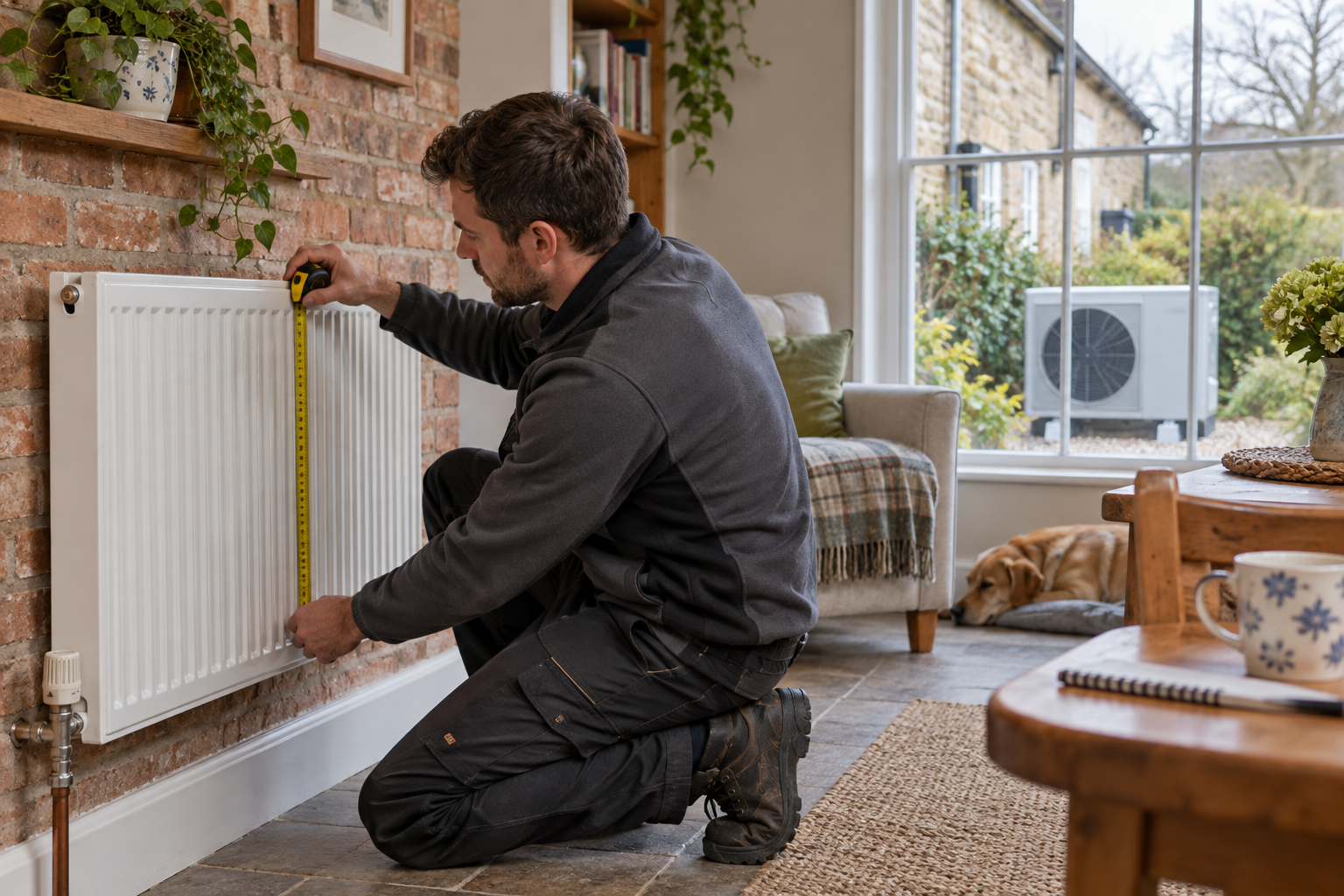
Replacing a heating source does not automatically answer what should happen to every radiator. The useful question is whether each emitter can meet its room's heating requirement under the proposed
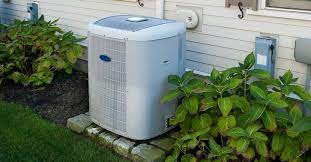
Pricing for a Heat PumpIn Spokane, a warmth pump tiers in charge from $4700 to $7000.
The charge of your warmth pump will rely on a range of of of things inclusive of length of your own home, stage of electricity performance, set up variances and fine.
.Energy.Gov states that a warmth pump can perform at approximately one zone of the fee of a traditional heating/cooling appliance.
Our specialists are satisfied that will help you decide what rebates can be to be had for you.What is a Heat Pump?A warmth pump is established out of doors of a domestic and connects for your contemporary gadget.
When it’s bloodless out of doors, the warmth pump extracts out of doors warmth and transfers it inside.
home heat pump prices A warmth pump is an electricity green opportunity that takes the area of each furnace and aircon units.