





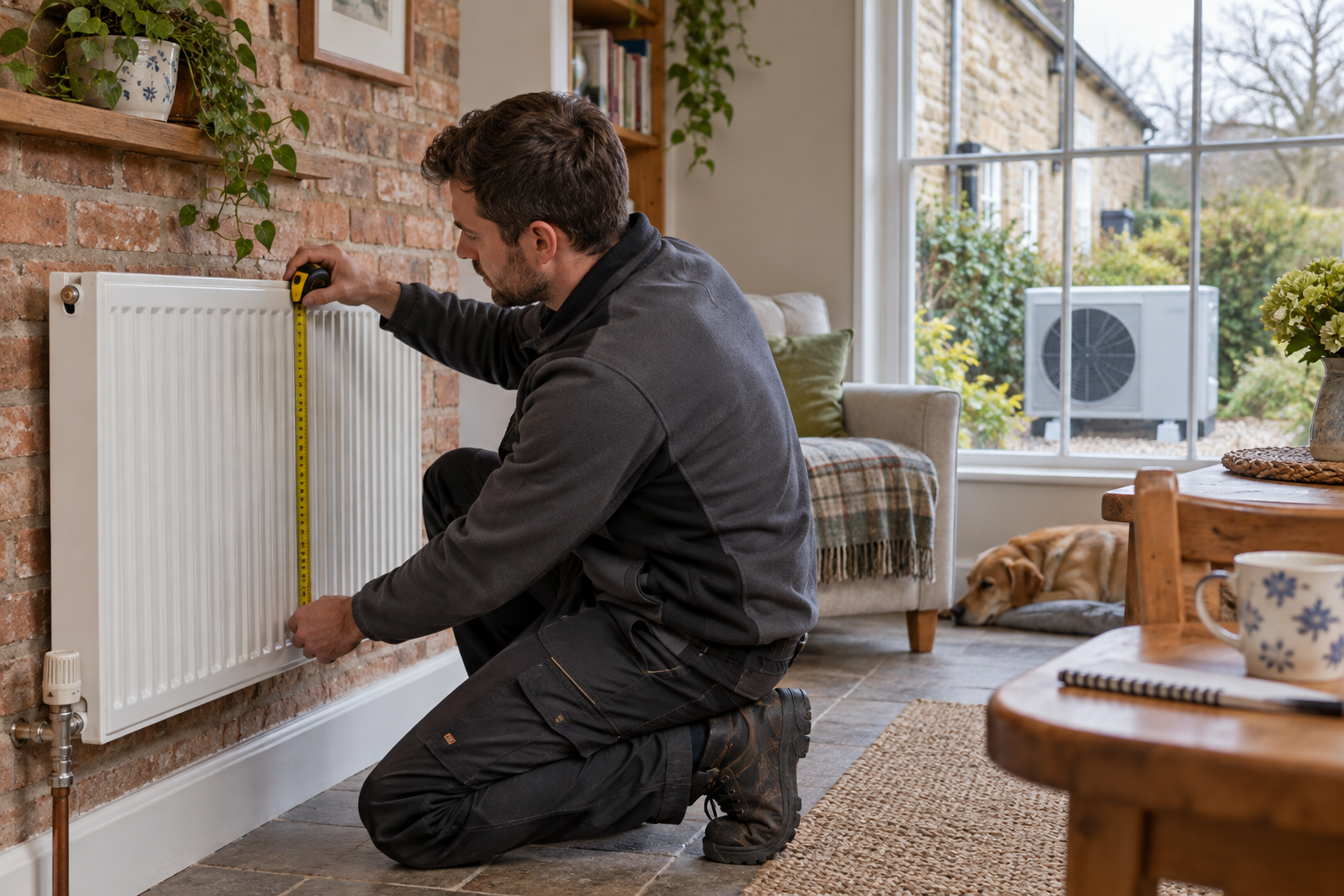
Replacing a heating source does not automatically answer what should happen to every radiator. The useful question is whether each emitter can meet its room's heating requirement under the proposed system conditions. A house may need a mixture of retained, modified, and replacement emitters. A blanket promise to keep everything, or a blanket demand to replace everything, deserves a closer look.
For a homeowner evaluating an R290 heat pump, the radiator review should be part of the design proposal. It should explain the result room by room and show how any recommended changes affect the planned installation. The homeowner should not be expected to judge compatibility from radiator appearance alone.
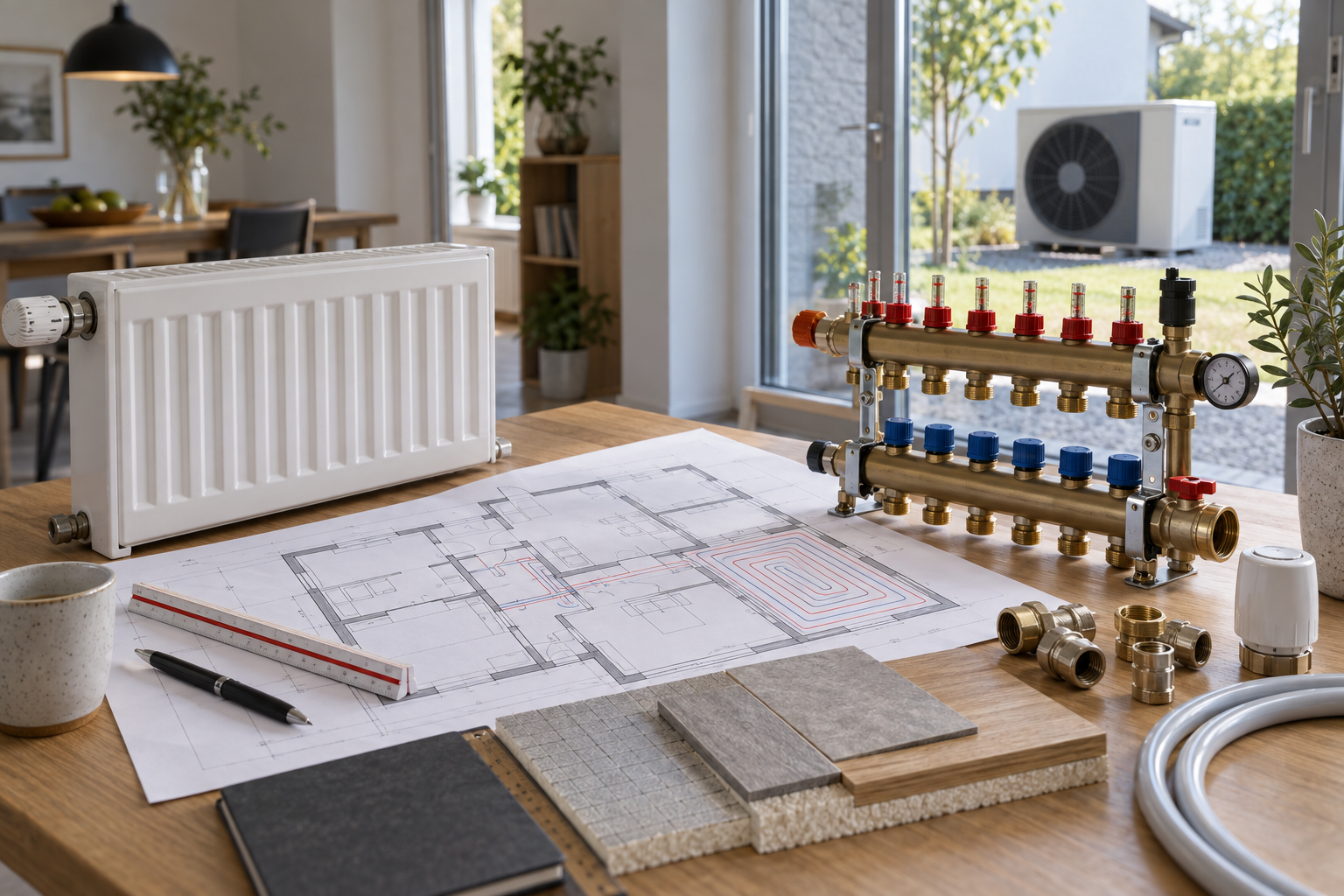
Assemble an Emitter Inventory
Record the radiator type, dimensions, location, and any known product information. Photographs help the designer identify unfamiliar units and understand obstructions. Include covers, furniture, and the way rooms are normally arranged rather than photographing only an unobstructed radiator during a survey.
Match this inventory to a room-by-room heat-loss assessment. The two records answer different questions: what the room needs and what the proposed emitter arrangement can provide. Ask the designer to state the operating conditions used when comparing them.
If an older radiator cannot be identified reliably, label that uncertainty. Guessing its output from size alone without explaining the assumption makes the later recommendation difficult to audit. The installer can advise whether more information, testing, or replacement is the sensible next step.
Separate Local Problems from Whole House Decisions
Suppose a hypothetical three-bedroom house has an extension with a different construction from the original rooms. If the extension requires a larger emitter, that does not by itself establish that the entire house needs the same intervention. Review the rooms individually before deciding the scope.
Ask for retained and replacement radiators to be marked on the plan. The replacement schedule should identify the intended product, position, and related pipework work. This prevents a general allowance for radiator upgrades from hiding significant disruption in particular rooms.
Consider practical placement as part of the comparison. A larger emitter may affect furniture or usable wall space. Another design approach may be possible, but the heating designer must assess it against the room requirement rather than selecting an alternative solely for appearance.
Compare Complete Design Options
Request an explanation of the tradeoff if one proposal retains more radiators but uses different operating assumptions from another. Comparing only the number of replacements misses the relationship between emitter selection and the rest of the heating design.
Keep any estimated operating costs attached to their assumptions. A contractor should distinguish a modeled result from a guaranteed bill. The comparison should show what is known about the building, how the proposed system is expected to operate, and which inputs remain uncertain.
The Thermalux range can be included in a product discussion with Devotion, but a manufacturer's product page cannot assess the radiators in a particular home. The local design needs to connect the equipment proposal to the surveyed emitters and the occupants' comfort expectations.
Agree What Will Be Checked at Handover
Before installation, decide how the team will review comfort in rooms where emitters are being retained. Record the intended conditions and the route for reporting a concern. This creates a shared reference if a room later feels different from the rest of the house.
Avoid using a radiator's surface warmth as the only judgment of success. Ask the installer to explain the expected operating behavior of the approved system and which observations are meaningful. Homeowners should follow the provided controls guidance rather than trying undocumented adjustments to reproduce an old heating pattern.
The final decision is therefore specific to the house. A documented emitter assessment can preserve suitable equipment while identifying the rooms that need work. It replaces an all-or-nothing sales claim with an installation scope the homeowner can understand and the designer can defend.
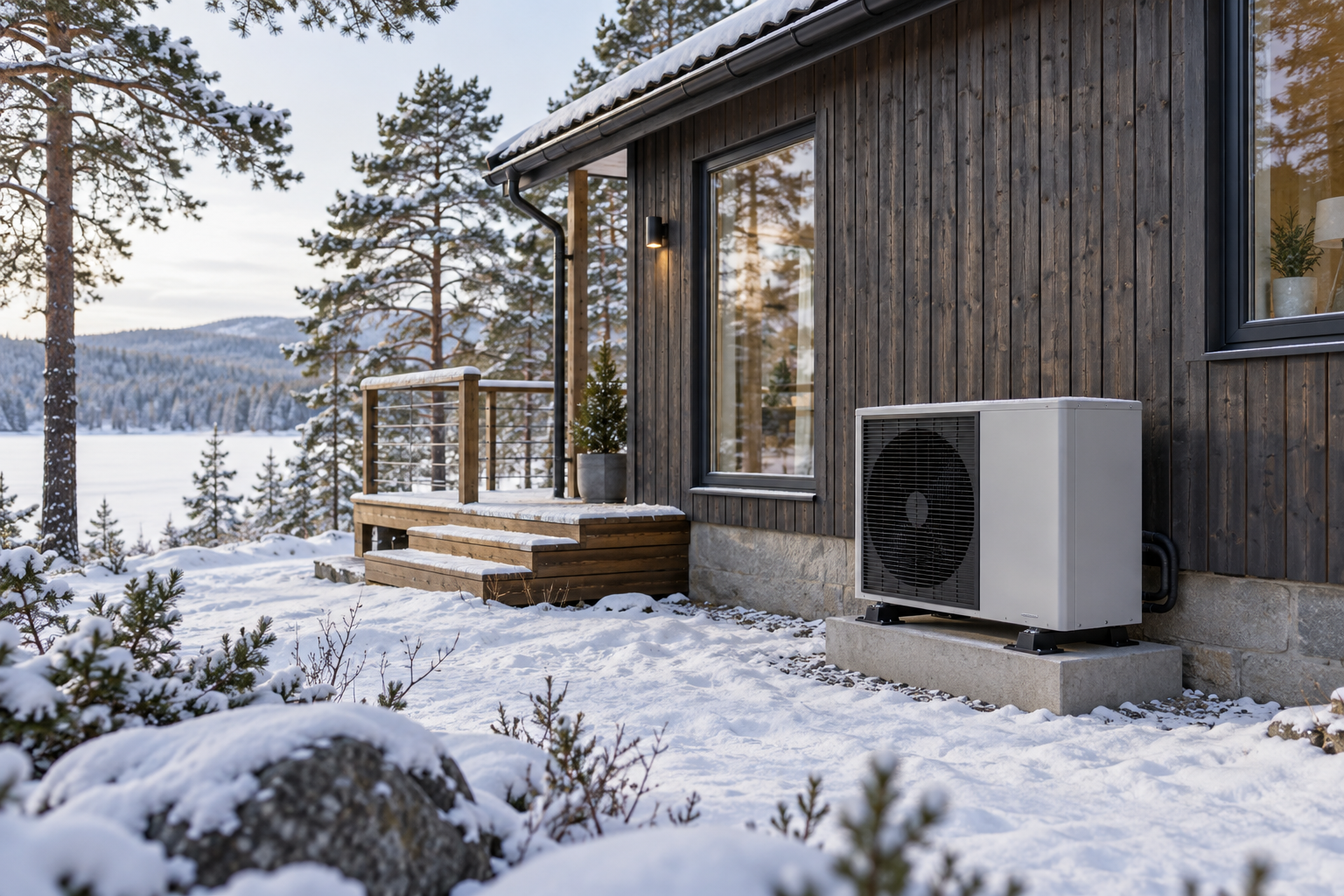

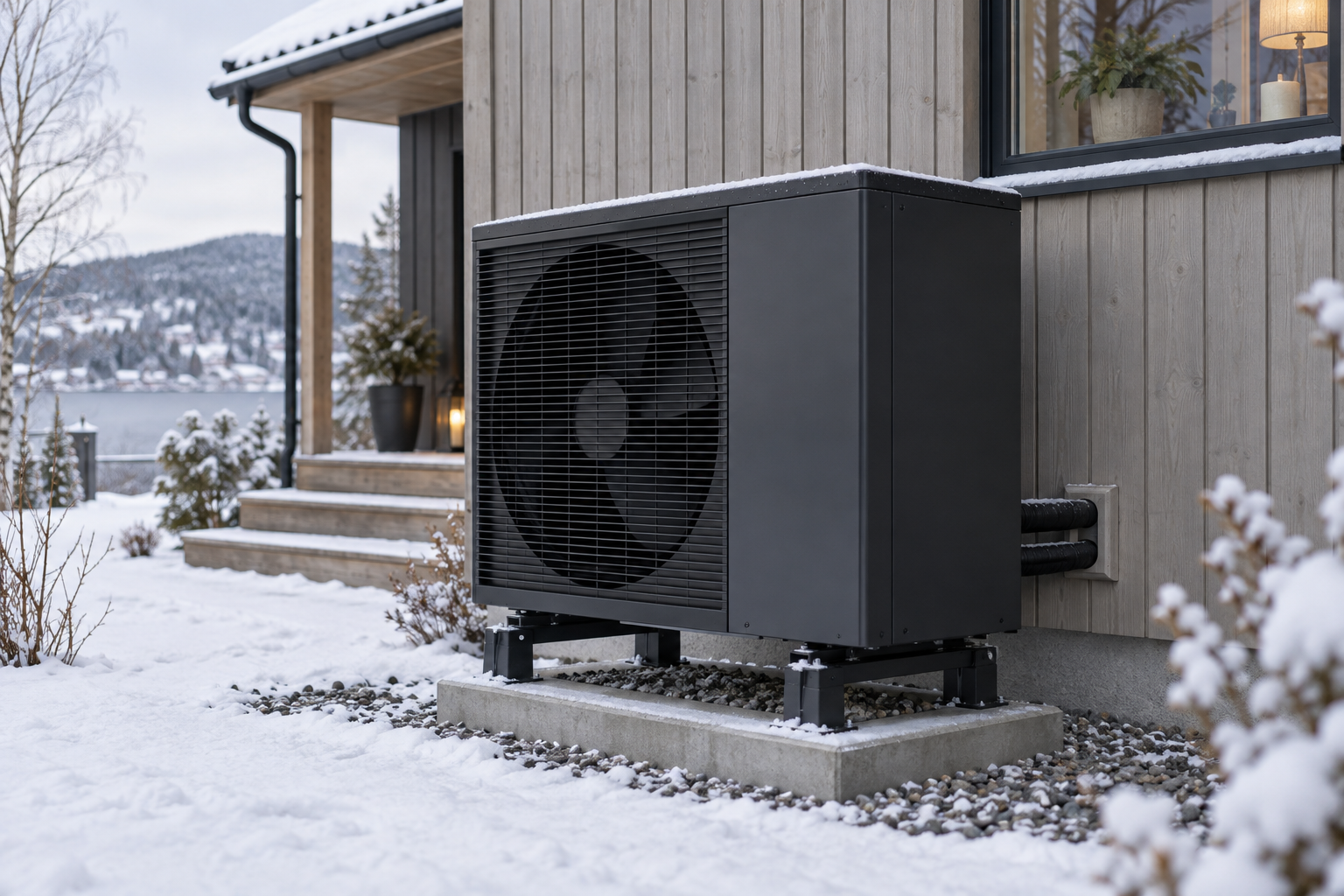
A cold-weather claim should lead to a specific question: what can the proposed system deliver for this house at its design conditions? An outdoor operating range is relevant, but it does not by its
Pricing for a Heat PumpIn Spokane, a warmth pump tiers in charge from $4700 to $7000.
The charge of your warmth pump will rely on a range of of of things inclusive of length of your own home, stage of electricity performance, set up variances and fine.
.Energy.Gov states that a warmth pump can perform at approximately one zone of the fee of a traditional heating/cooling appliance.
Our specialists are satisfied that will help you decide what rebates can be to be had for you.What is a Heat Pump?A warmth pump is established out of doors of a domestic and connects for your contemporary gadget.
When it’s bloodless out of doors, the warmth pump extracts out of doors warmth and transfers it inside.
home heat pump prices A warmth pump is an electricity green opportunity that takes the area of each furnace and aircon units.