






The first electricity bill after a heating change can raise questions that the bill alone cannot answer. Weather, occupancy, hot-water use, and other household appliances may have changed at the same time. A useful energy record separates observations from explanations so the installer can review the system without relying on a single monthly total.
For an R290 home heat pump, agree the monitoring approach before installation where possible. The purpose is to understand operation and identify questions worth investigating. It is not to produce a guaranteed savings figure or to diagnose equipment faults from a spreadsheet.

Decide What the Record Can Measure
Ask what information the proposed system can provide and what each displayed value represents. A controller estimate, a dedicated meter, and the whole-house electricity meter may describe different things. Record the measurement boundary so later comparisons do not combine incompatible totals.
If additional metering is proposed, have the appropriate professional specify and install it. The homeowner should understand what is included without performing electrical work. Keep any relevant meter identification and setup information in the handover file.
State the limitation if only whole-house bills are available. Those bills can still support a household review, but they should not be presented as an isolated measurement of heat-pump electricity use when other appliances share the meter.
Collect Context without Creating a Burden
A short record is more likely to be maintained than an elaborate daily form. Note the period, occupancy changes, important comfort observations, and unusual hot-water demand. Include major changes to user settings when they occur rather than trying to reconstruct them weeks later.
Keep weather context consistent. The installer can advise which information is useful for the planned review. A colder period should not be compared casually with a warmer one and attributed entirely to a product change.
For a hypothetical household, a month with visiting relatives might involve longer occupancy and more hot-water use. Mark that event in the record. It gives the reviewer a reason to investigate the change in demand before treating the higher total as evidence of a malfunction.
Review Comfort beside Consumption
Energy use should not be discussed independently of the service the system delivered. Record whether the agreed rooms were comfortable during the period and whether the household changed its routine. A lower total achieved by leaving occupied rooms uncomfortable is not the same outcome as meeting the design brief efficiently.
Ask the installer to interpret unusual patterns with reference to commissioning information and the actual system. Avoid assuming that a graph alone identifies the cause. Several different conditions can produce an observation that looks similar to a non-specialist.
If the team changes an approved user setting, note the reason and review period. Changing several things together makes it harder to understand the result. Protected settings should remain under the control of the responsible installer or service professional.
Decide who keeps the record and how it will be shared before monitoring begins. A family may find a monthly summary more manageable than frequent manual entries. The installer should agree whether that frequency suits the intended review, and any gaps in the record should remain visible rather than being filled with invented readings.
Retain a Record That Can Travel with the System
Store the model reference, commissioning information, and monitoring definitions together. If the service provider changes, the new reviewer can understand what earlier figures meant. A screenshot without its date or measurement boundary is much less useful.
Questions sent to Devotion should identify the Thermalux model and the specific product-data issue that needs clarification. Share household records only through the agreed support route and avoid disclosing unnecessary personal information.
A useful energy record does not need to prove a marketing claim. It should help the household and installer understand what happened, which conditions changed, and whether a further assessment is justified. That turns monitoring into an aid to responsible operation rather than a competition to display the lowest unexplained number.
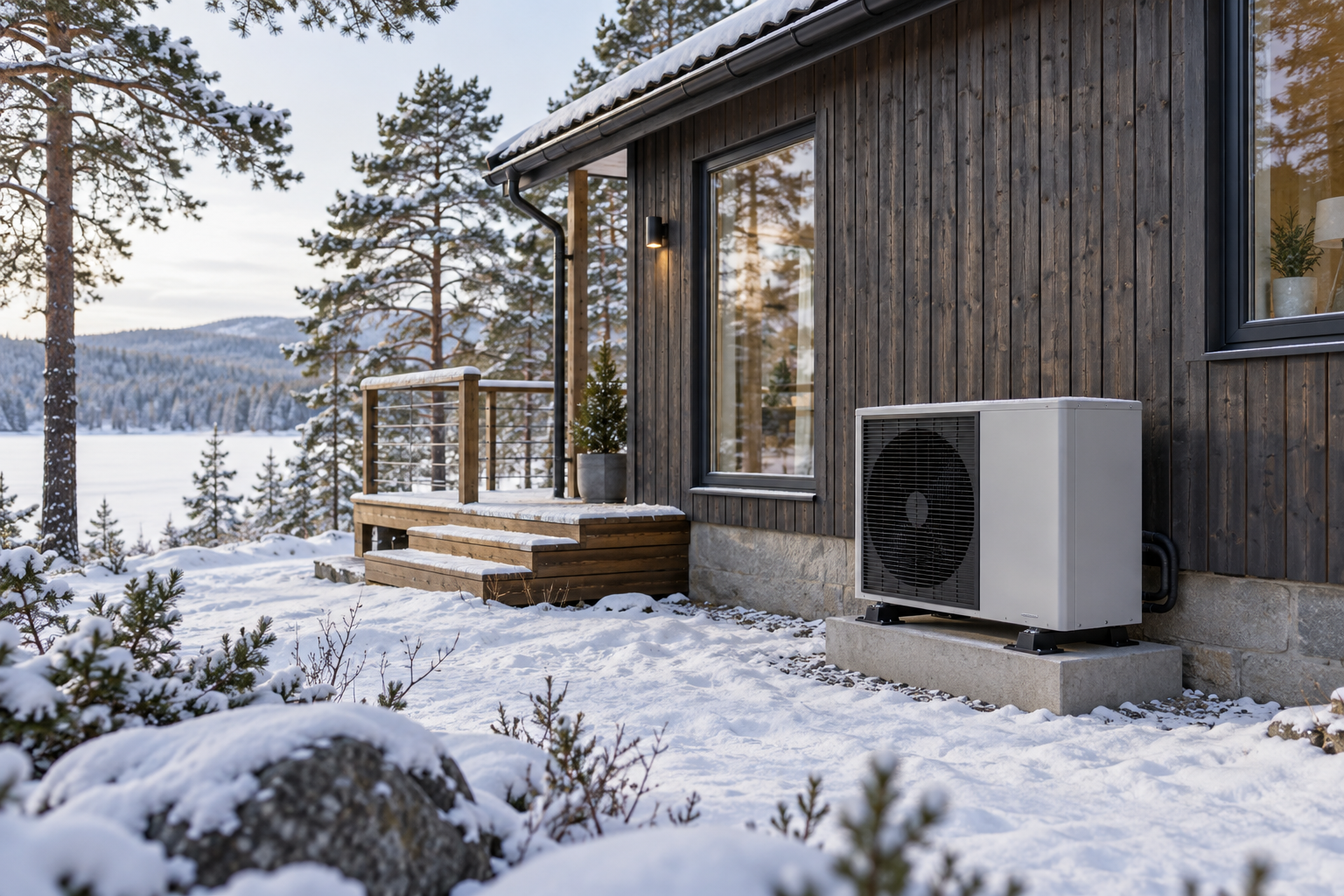

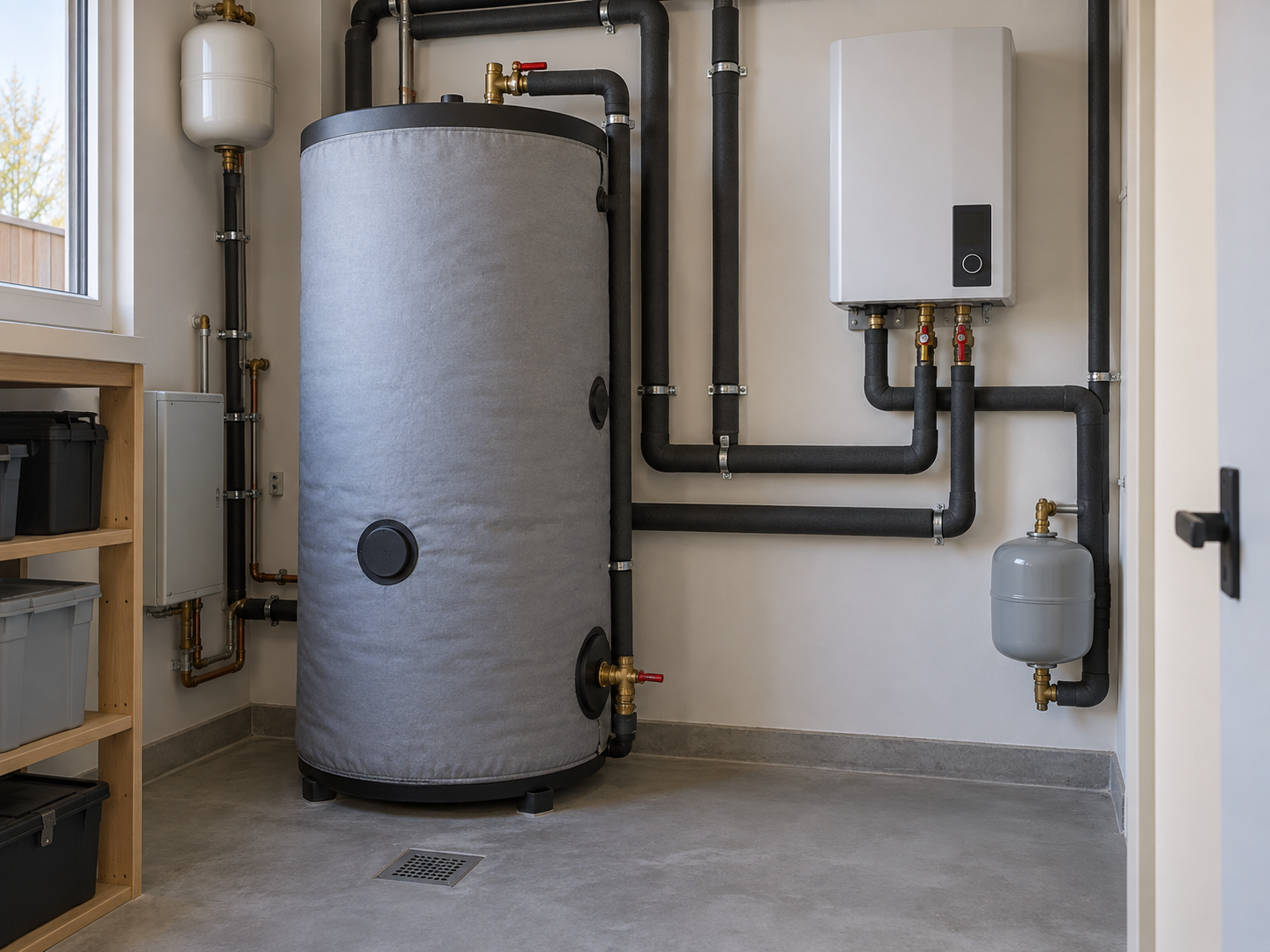
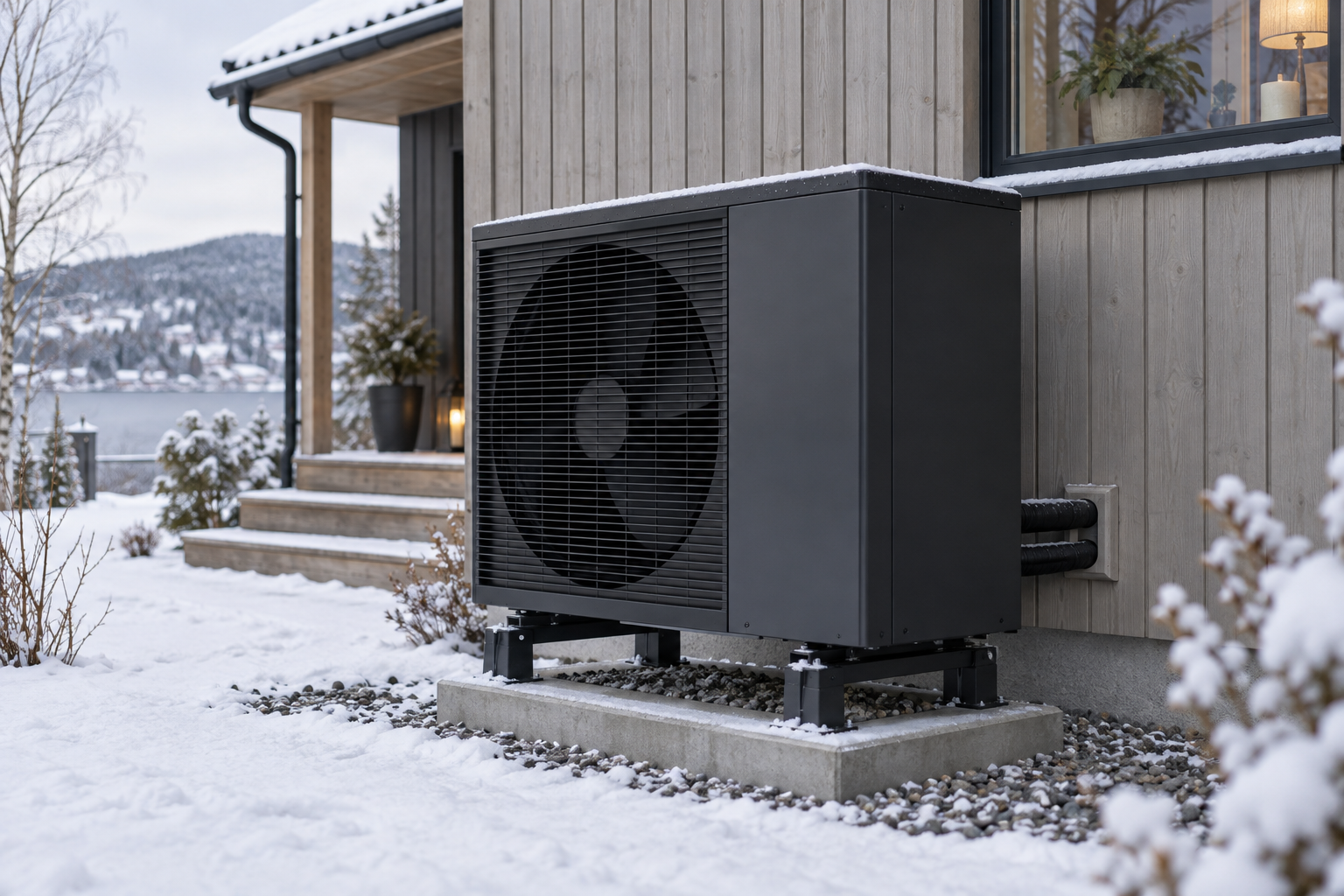
A cold-weather claim should lead to a specific question: what can the proposed system deliver for this house at its design conditions? An outdoor operating range is relevant, but it does not by its
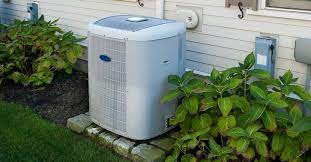
Pricing for a Heat PumpIn Spokane, a warmth pump tiers in charge from $4700 to $7000.
The charge of your warmth pump will rely on a range of of of things inclusive of length of your own home, stage of electricity performance, set up variances and fine.
.Energy.Gov states that a warmth pump can perform at approximately one zone of the fee of a traditional heating/cooling appliance.
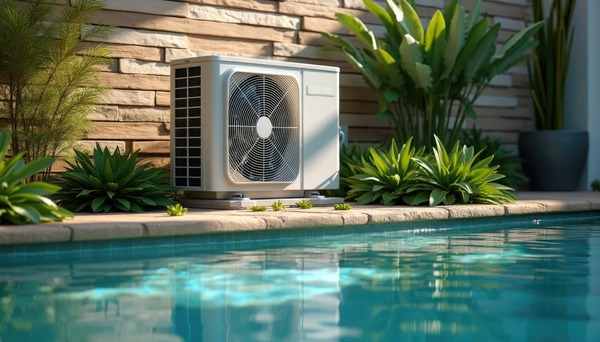
Our specialists are satisfied that will help you decide what rebates can be to be had for you.What is a Heat Pump?A warmth pump is established out of doors of a domestic and connects for your contemporary gadget.
When it’s bloodless out of doors, the warmth pump extracts out of doors warmth and transfers it inside.
home heat pump prices A warmth pump is an electricity green opportunity that takes the area of each furnace and aircon units.