





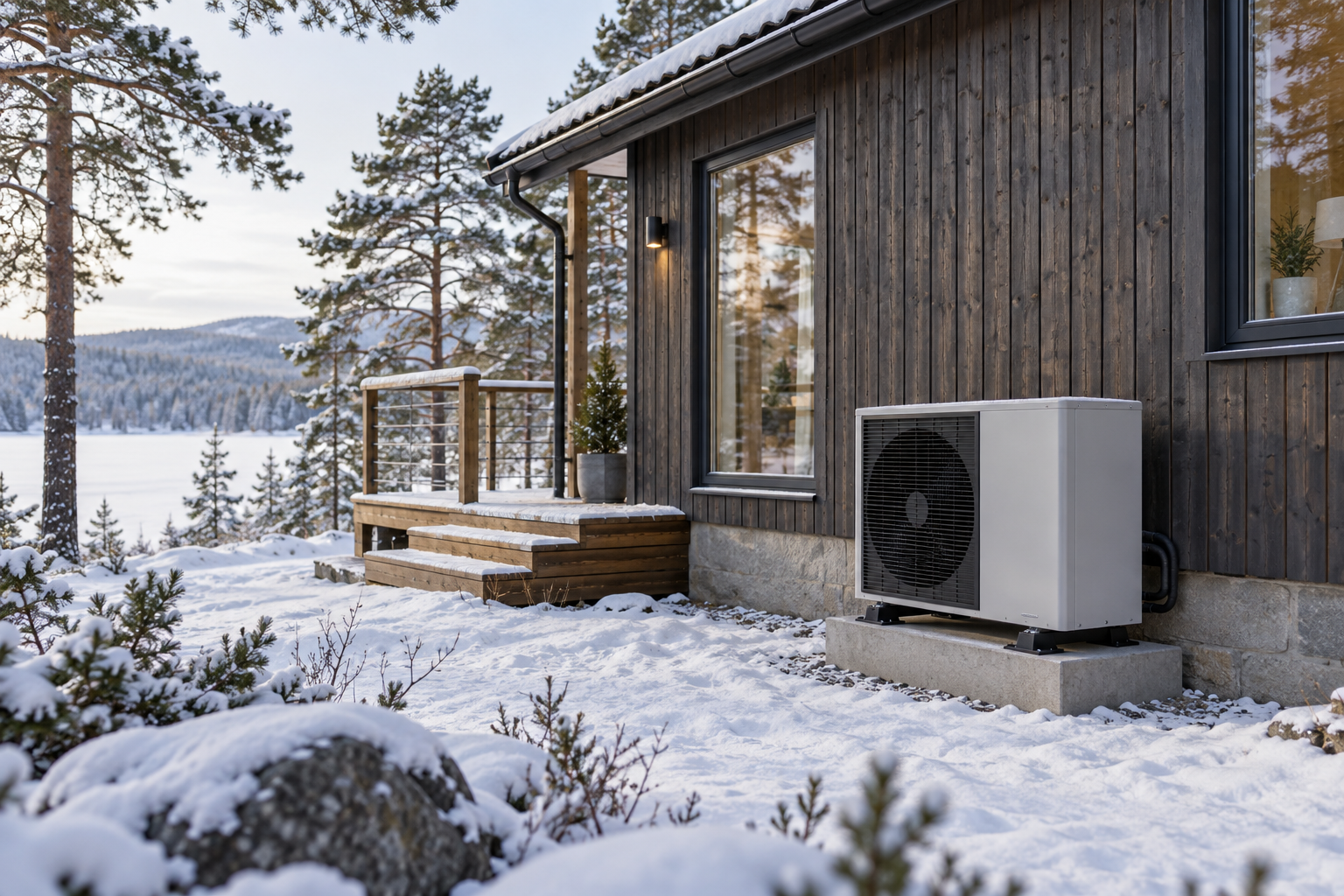
A holiday home has two heating briefs: the period when people are present and the period when they are away. A proposal that addresses only a comfortable arrival may overlook support, monitoring, and the approved arrangements for an unoccupied property. The owner needs an operating plan that remains understandable when nobody is nearby to check the equipment.
An R290 home heat pump should be assessed using the actual occupancy pattern. A regularly occupied weekend house differs from a property left empty for a season. The installer must establish the technical provisions for the location, while the owner clarifies how the home will be managed between visits.
Describe Absence as Carefully as Occupancy
Tell the designer how long the property may be empty, who can attend locally, and how reliable its communications are. Include known restrictions on access during bad weather. These details shape the support discussion even though they do not replace the manufacturer's installation requirements.
Explain the intended arrival routine. Does the owner know the arrival date well in advance, or do visits happen at short notice? Ask the designer to assess the requested comfort outcome rather than assuming every house can follow the same warm-up schedule.
If guests also use the property, provide a separate user brief for them. Temporary occupants may need a simpler explanation of ordinary controls and a clear instruction about whom to contact. They should not be expected to interpret technical alerts independently.
Ask for an Approved Unoccupied Mode Plan
The installer should explain the arrangement for an empty house and identify the requirements that must remain satisfied. Do not invent frost-protection settings, isolate equipment, or alter water-system arrangements based on a generic article. The appropriate measures depend on the actual installation and local conditions.
Ask what happens if electrical power or communications are interrupted. Distinguish the system's documented behavior from services that depend on a person receiving and acting on a message. Remote access is not the same as a guaranteed local response.
Record who may change settings and which changes require professional review. A property manager should not inherit undocumented instructions from a previous guest or cleaning contractor.
Make Remote Information Actionable
If remote monitoring is part of the proposal, confirm the functions available for the selected equipment. Ask which conditions are visible, whether alerts are provided, and who controls the account. Avoid assuming that every monitoring platform detects or resolves every potential problem.
Assign a response route. The owner, property manager, installer, and supplier may each have a role, but the first contact should be unmistakable. A message that reaches several people without an agreed responsibility can still go unanswered.
Test the user-facing communications during handover where practical. The owner should understand what can be checked remotely and what still requires attendance. Keep emergency arrangements separate from routine product support.
If a local property manager is involved, include that person in the user demonstration. Agree how they report observations and which actions remain outside their role. A manager who knows the support route is more useful than one given an informal instruction to try different settings whenever a guest raises a comfort concern.
Prepare the Property for Changing Users
Leave a concise guide covering permitted controls, normal operation, and the support contact. Store the detailed technical records securely for the installer. Visitors need usable instructions, not unrestricted access to service settings or the owner's personal account.
When discussing a Thermalux installation with Devotion, provide the occupancy scenario and ask the installer to identify the product functions that need confirmation. Manufacturer information should support a locally managed plan rather than replace one.
Review the arrangement if the property changes from occasional use to regular rental or permanent occupancy. That change may alter comfort expectations and management needs. The most useful holiday-home heating proposal anticipates who will operate the system, who will respond when the owner is away, and which assumptions need reassessment when the pattern changes.


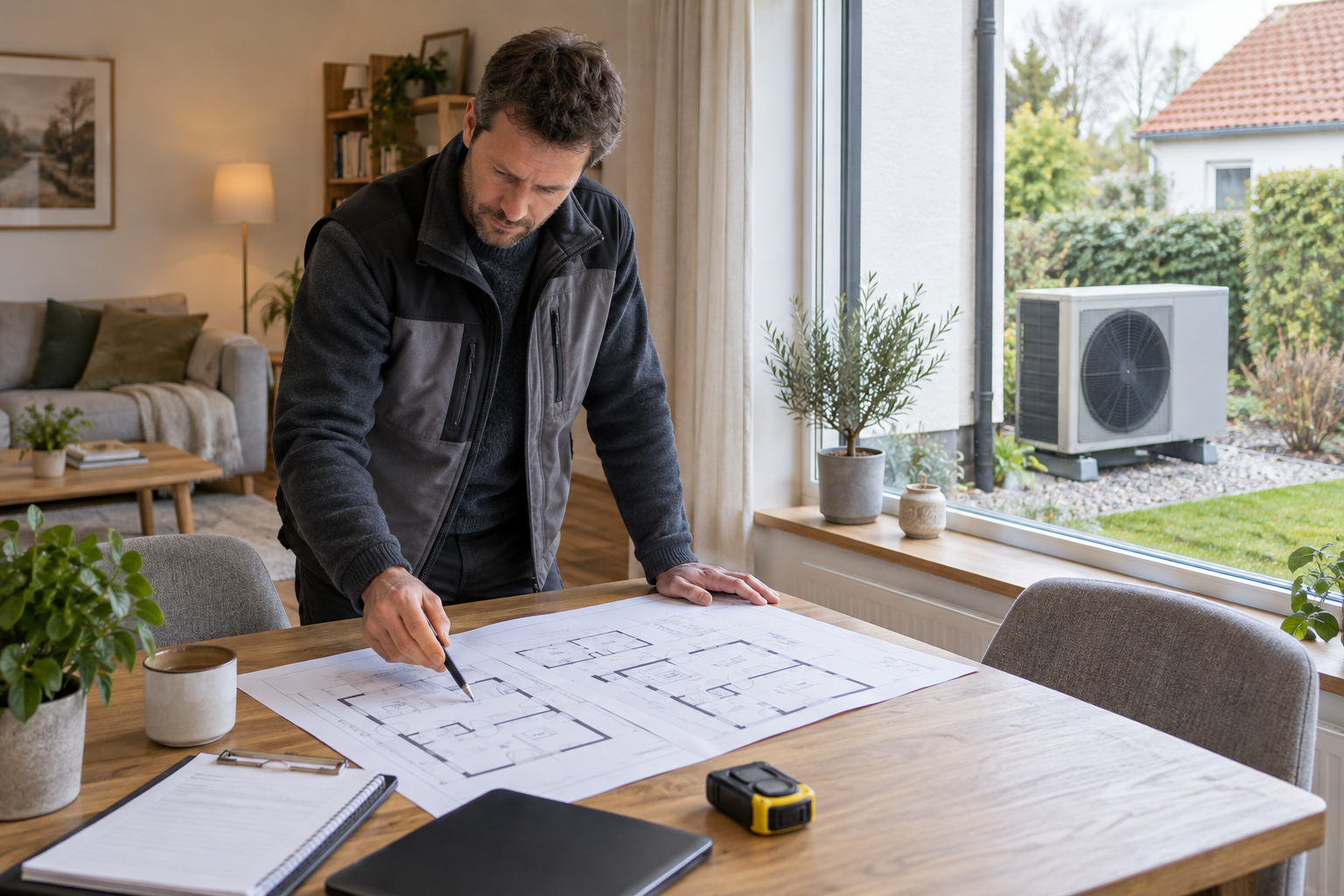
The right starting point for a household heat pump is the heat the building needs, not the size printed on the old boiler. A room-by-room assessment gives the heating designer a basis for selecting
Pricing for a Heat PumpIn Spokane, a warmth pump tiers in charge from $4700 to $7000.
The charge of your warmth pump will rely on a range of of of things inclusive of length of your own home, stage of electricity performance, set up variances and fine.
.Energy.Gov states that a warmth pump can perform at approximately one zone of the fee of a traditional heating/cooling appliance.
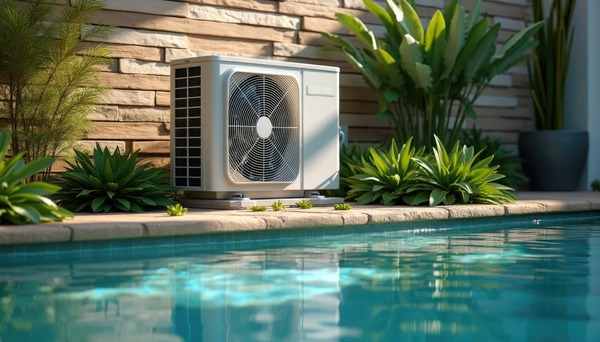
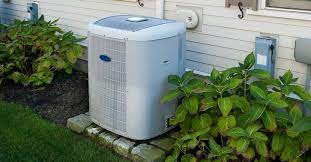
Our specialists are satisfied that will help you decide what rebates can be to be had for you.What is a Heat Pump?A warmth pump is established out of doors of a domestic and connects for your contemporary gadget.
When it’s bloodless out of doors, the warmth pump extracts out of doors warmth and transfers it inside.
home heat pump prices A warmth pump is an electricity green opportunity that takes the area of each furnace and aircon units.