

Global Aluminum Barrier Laminated Packaging Market: Navigating Growth, Regulation, and Sustainability in 2025–2032
Market Landscape and Core Challenges
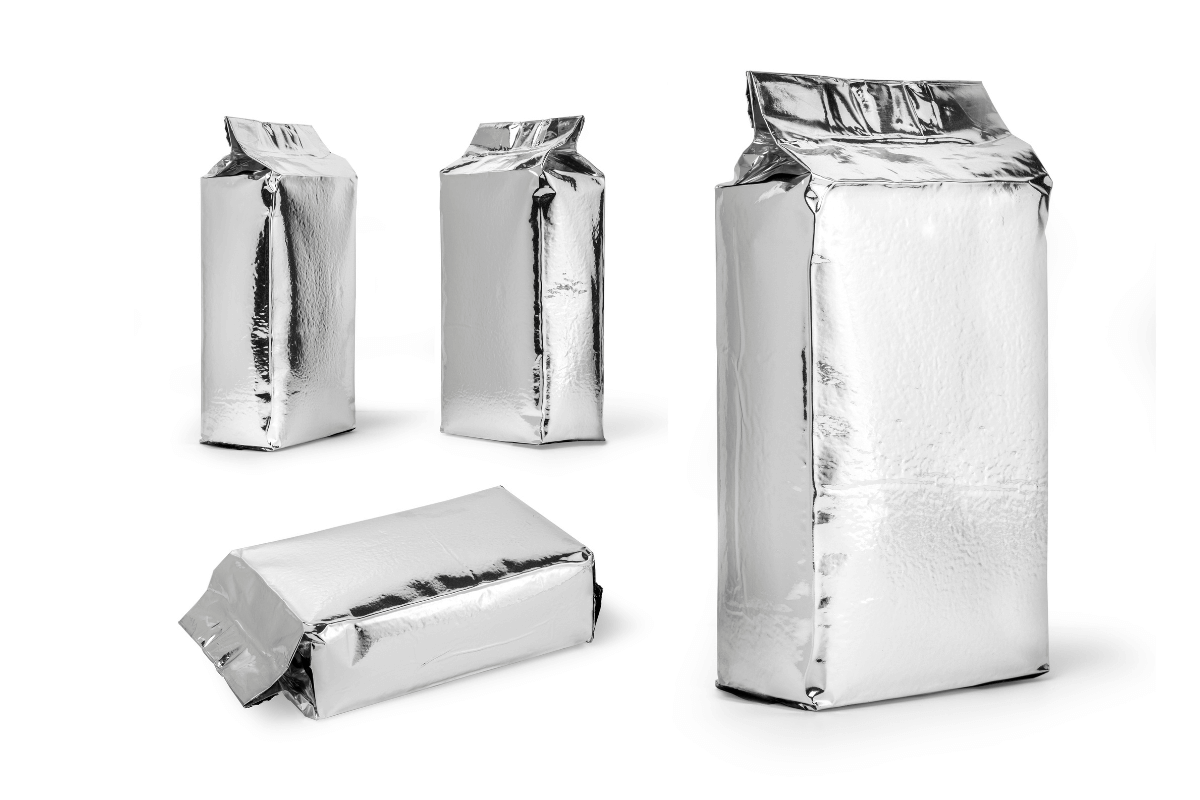
The global aluminum barrier laminated packaging market has demonstrated steady expansion over the past half-decade, driven by the enduring need for high-protection solutions across food, pharmaceutical, and personal care sectors. From 2020 to 2025, the market grew from approximately USD 6.7 billion to an estimated USD 8.75 billion, reflecting a compound annual growth rate that underscores its resilience in the face of broader industrial volatility. Projections for the forecast period through 2032 indicate continued upward momentum, with market value expected to surpass the USD 12.5 billion threshold. This growth trajectory is not merely a function of population growth or rising consumption; it is deeply tied to the material's unique ability to deliver oxygen, moisture, and light barriers that alternative flexible structures struggle to match at comparable cost and manufacturability. However, this foundational strength is being tested by structural shifts that are reshaping how value is created and captured across the supply chain.
One of the most pressing challenges facing the industry is the dual pressure of sustainability mandates and recyclability performance. Multi-material laminate structures, by design, combine aluminum with polymers and adhesives to achieve superior barrier properties, but this very architecture complicates end-of-life processing. As governments and brand owners commit to circular economy targets, the industry confronts the reality that conventional aluminum barrier laminates often fall short of established recyclability thresholds. Performance grading frameworks that tie market access to verified recyclability rates are beginning to redefine what constitutes "acceptable" packaging, forcing manufacturers to reconsider material combinations, layer thickness, and separation compatibility. The challenge is not simply regulatory compliance; it is a fundamental redesign of value propositions that have historically prioritized protection above all else.
A second critical inflection point lies in raw material cost volatility and the pricing dynamics of aluminum itself. Thin aluminum foil remains the backbone of barrier performance, and its pricing is influenced by global metal markets, energy costs, and regional trade flows. Recent price levels have shown significant variation across key markets, with clear implications for margin management and product costing. For manufacturers operating on thin margins or serving price-sensitive segments, this volatility introduces forecasting uncertainty and pressures the business case for premium barrier solutions. The industry must navigate how to pass through cost changes without eroding customer relationships or compromising the value perception of high-barrier formats.
A third challenge is the intensifying competition from alternative barrier technologies. While aluminum barrier laminates retain a strong position, advancements in high-barrier coatings, metallized films, and mono-material structures are reducing the performance gap in certain applications. Buyers are increasingly evaluating total cost of ownership, including compliance risk and end-of-life implications, rather than focusing solely on barrier metrics. This shift means that incumbents cannot rely on historical performance advantages alone; they must demonstrate differentiation through innovation, service models, and sustainability credentials that align with evolving procurement criteria.
Key Drivers of Market Evolution
Several interconnected forces are propelling the aluminum barrier laminated packaging market forward, and understanding their interplay is essential for anticipating where value will concentrate in the coming years. PW Consulting
Technological Innovation in Barrier Performance and Process Efficiency
Innovation in extrusion, lamination, and coating technologies continues to redefine what is achievable with aluminum barrier structures. Manufacturers are deploying advanced process controls that improve adhesion consistency, reduce material waste, and enhance print quality on laminate surfaces. These improvements matter because they directly affect two outcomes that matter to buyers: product protection reliability and brand presentation. In pharmaceutical and premium personal care segments, where visual quality and tamper evidence are closely linked to consumer trust, even incremental gains in surface finish and print fidelity can translate into measurable competitive advantage. At the same time, lightweighting efforts and precision foil integration are helping to optimize material usage without sacrificing barrier integrity, which is particularly relevant in a cost-conscious environment.
A notable trend is the parallel development of recyclable aluminum barrier laminate designs. Recent industry activity has shown a clear uptick in efforts to incorporate recycled aluminum content and re-engineer lamination architectures to improve separation and recyclability. These initiatives are not merely compliance exercises; they are strategic responses to brand owner commitments and consumer expectations. Companies that can offer verified recyclable structures, supported by testing data and design-for-recyclability documentation, are beginning to differentiate themselves in procurement processes where sustainability criteria carry increasing weight. The ability to balance protection with circularity is emerging as a defining capability, and early movers are positioning themselves to capture preference in tenders and long-term supply agreements.
Regulatory and Policy Momentum
The regulatory landscape is accelerating change across multiple geographies, and its impact on aluminum barrier laminated packaging is both direct and structural. In Europe, the Packaging and Packaging Waste Regulation establishes a comprehensive framework that ties design-for-recyclability criteria and recycled content targets to market access. Performance grading requirements that link recyclability thresholds to packaging acceptance create a clear incentive for redesign, and multi-material aluminum laminates face particular scrutiny because of their complexity in recycling streams. The timeline is meaningful: compliance considerations are no longer distant concerns but near-term planning imperatives for companies supplying European markets. This regulatory direction is reshaping product development roadmaps and procurement specifications across the value chain. Worldwide Virtual Reality in Automotive Market
In North America, the expansion of Extended Producer Responsibility schemes across multiple states adds another layer of accountability. As more jurisdictions implement packaging EPR laws, producers face financial and operational obligations tied to end-of-life management. For suppliers of laminated packaging, this means that the cost and feasibility of recycling infrastructure, material recovery, and reporting requirements are becoming embedded in the broader business case. The cumulative effect is a regulatory environment that rewards transparency, design optimization, and proactive engagement with recycling systems, while penalizing inertia.
Demand-Side Shifts in Consumer and Enterprise Behavior
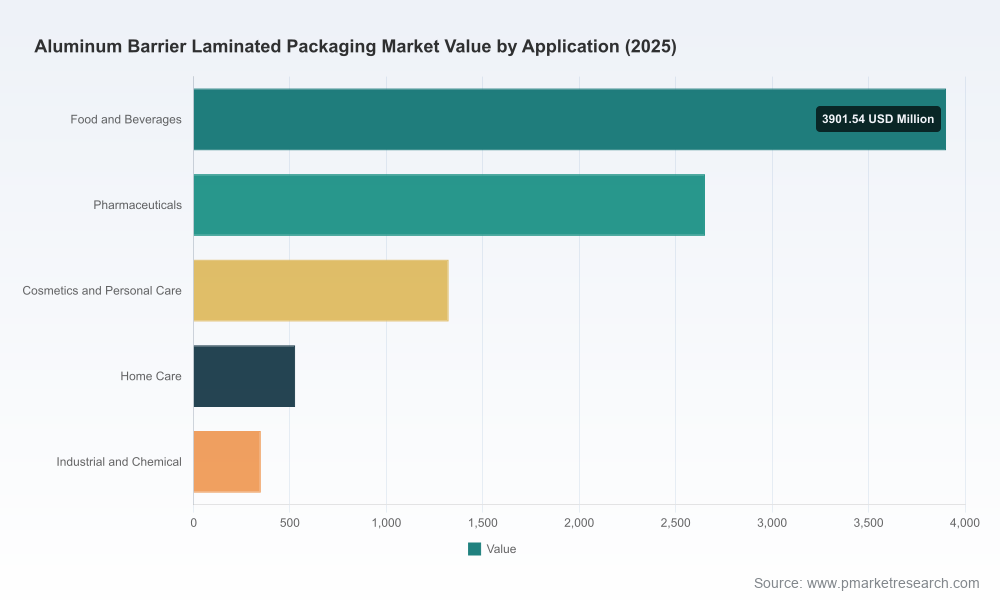
On the demand side, several behavioral and commercial trends are reinforcing the relevance of high-barrier packaging. In food and beverages, premiumization and the growth of products sensitive to oxidation, moisture, and light continue to support demand for robust barrier solutions. In pharmaceuticals, the need for protective packaging that preserves product integrity, supports sterility expectations, and withstands supply chain conditions remains a cornerstone requirement. Personal care and cosmetics markets are similarly driven by expectations for product appearance, shelf stability, and brand differentiation, all of which align with the strengths of aluminum barrier laminates.
Beyond segment-specific drivers, there is a broader shift in how brand owners and procurement teams evaluate packaging. Sustainability is no longer a peripheral consideration; it is integrated into sourcing criteria, supplier qualification, and product development gates. Buyers are seeking partners who can provide not only performance data but also lifecycle context, recyclability pathways, and evidence of material stewardship. This evolution favors suppliers that can communicate value in terms that span protection, compliance, and circularity, rather than those that compete on barrier metrics alone.
Supply Chain and Cost Structure Dynamics
Supply chain resilience and cost structure optimization are also shaping market dynamics. Regional capacity investments and technology upgrades are improving responsiveness and reducing lead times, which matters for customers managing inventory risk and seasonal demand fluctuations. At the same time, the cost environment for aluminum foil and associated polymers continues to influence pricing strategies and margin management. Recent price data across major markets highlights the importance of procurement flexibility, hedging approaches where appropriate, and product design choices that can moderate exposure to raw material swings. Companies that can offer stable supply, transparent pricing mechanisms, and value-engineered structures are better positioned to maintain customer confidence during periods of cost variability.
Competitive Landscape and Strategic Positioning
The competitive environment in aluminum barrier laminated packaging is characterized by a mix of established global players and specialized manufacturers, each pursuing differentiation through technology, application focus, and sustainability capabilities. Market concentration remains moderate, with a handful of leading firms commanding a meaningful share of revenue, but the presence of regional specialists and application-focused producers ensures that competition remains dynamic across segments and geographies.
Leading companies are pursuing distinct strategic positions. Some emphasize broad application coverage across cosmetics, personal care, oral care, and pharmaceuticals, leveraging multilayer barrier technology and extensive manufacturing footprints to serve diverse customer needs. Others focus on specialty laminated tubes and high-barrier structures tailored to specific end-use requirements, building reputation for technical expertise and customization. A third group positions itself around flexible packaging solutions that combine barrier performance with advanced coating and lamination capabilities for food, beverage, and healthcare markets. Across these approaches, a common thread is the emphasis on protection, reliability, and the ability to meet stringent performance expectations.
Differentiation is increasingly tied to sustainability and recyclability. Recent industry developments show that major producers are investing in recyclable laminate structures, lightweight caps, and high-performance coatings that aim to reconcile protection with circular economy requirements. Capacity expansions incorporating advanced extrusion and lamination technologies are intended to improve barrier protection, print quality, and supply chain responsiveness. These moves signal a strategic intent to capture preference among brand owners who are refining their packaging portfolios in response to regulatory and consumer pressure. The competition is not just about who can make the best barrier today; it is about who can deliver recyclable, compliant, and cost-effective solutions that remain viable as regulations tighten and recycling infrastructure evolves.
The market landscape is also evolving in terms of structure and entry dynamics. Integration trends are visible as companies seek to strengthen capabilities across the value chain, from material sourcing to conversion and technical service. At the same time, differentiation by application and region creates opportunities for focused players to compete effectively in niches where technical specialization and customer intimacy matter more than scale alone. New entrants and adjacent players are exploring opportunities where barrier performance and sustainability can be addressed through novel material combinations or process innovations, though the barriers to establishing trust, qualification, and reliable supply remain significant. The net effect is a competitive environment where incumbents must continuously justify their positions through innovation and service, while challengers must demonstrate credible differentiation and execution capability to gain traction.
Future Trends and Commercial Opportunities
Looking ahead across the next three to five years, several trends are likely to shape where growth and value creation emerge in the aluminum barrier laminated packaging market.
One central trend is the continued push toward recyclable and circular aluminum barrier structures. As regulatory frameworks mature and brand owner commitments deepen, demand will increasingly favor solutions that can meet recyclability performance criteria without compromising protection. This creates opportunities for companies that can develop, validate, and scale recyclable laminate designs, supported by clear documentation and lifecycle context. The commercial opportunity lies not only in product development but also in helping customers navigate compliance, communicate sustainability attributes to consumers, and future-proof their packaging portfolios against tightening requirements.
A second trend is the expansion of high-barrier applications in segments where product protection is paramount and where alternative materials have yet to fully close the performance gap. Pharmaceuticals, premium food and beverages, and specialized personal care products are likely to remain strong demand anchors, especially where sterility, shelf life, and sensory integrity are critical. The opportunity here is to deepen application expertise, offer tailored structures, and provide technical support that reduces risk for customers launching new products or reformulating existing ones. Companies that can demonstrate reliability across qualification, scale-up, and supply continuity will be well positioned to capture preference in these segments.
A third trend is the growing importance of regional capacity, responsiveness, and cost competitiveness. As supply chains are reconfigured for resilience and regulatory compliance varies by market, there is room for growth in regional manufacturing and localized service models. This trend creates opportunities for producers that can offer flexible capacity, faster turnaround, and pricing that reflects regional cost realities, while still meeting performance and sustainability expectations. At the same time, it introduces the challenge of managing multi-region operations and ensuring consistent quality and compliance across locations.
Potential risks and uncertainties should not be overlooked. Raw material price volatility can pressure margins and complicate long-term planning, particularly if cost increases cannot be absorbed or passed through without losing competitiveness. Regulatory evolution may outpace the industry's ability to redesign and validate recyclable structures, creating transitional friction and potential market access constraints for non-compliant formats. Alternative barrier technologies may continue to improve, eroding the relative advantage of aluminum barrier laminates in select applications. Finally, recycling infrastructure and end-market demand for recovered materials remain variables that can affect the practical viability of circular solutions, depending on geography and material streams. Worldwide Veterinary Glucometers Market
Strategic Considerations for Decision Makers
For manufacturers, the priority is to accelerate investment in recyclable and performance-optimized structures while strengthening technical service capabilities that help customers justify packaging choices. Companies that can combine barrier expertise with demonstrable sustainability progress, transparent data, and reliable supply are more likely to secure long-term partnerships and preferred supplier status in an increasingly scrutinized procurement environment.
For investors, the value lies in identifying players with clear differentiation in recyclable design, application specialization, and regional execution, rather than assuming broad market growth will lift all participants equally. The companies best positioned to compound value are those that can convert regulatory and sustainability trends into commercial advantage through innovation, customer retention, and cost discipline, while managing exposure to raw material and compliance risks.
For procurement and brand owners, the strategic task is to reassess packaging specifications with a longer time horizon, weighing not only immediate barrier performance and cost but also recyclability pathways, regulatory alignment, and supplier capability to support future reformulation. Engaging early with suppliers on recyclable structures, lightweighting, and design-for-recyclability can reduce downstream risk and create options as requirements tighten. Building qualification pipelines around suppliers with credible sustainability roadmaps can also strengthen resilience in sourcing strategies.
The pace of change in this market means that decisions made today will shape competitive positioning for years to come. Access to granular segmentation data, company-level benchmarking, and scenario-based forecasts can sharpen strategic planning and reduce uncertainty in investment, sourcing, and product development choices. For those seeking a deeper, data-rich view of segmentations, regional dynamics, and tailored recommendations, the full PW Consulting market study provides the level of detail required to translate these trends into concrete action.
For detailed analysis of this topic, please visit the official page: Worldwide Aluminum Barrier Laminated Packaging Market
Lacy LeeSenior Marketing Managersales@pmarketresearch.com00852-95632430PW Consulting: www.pmarketresearch.com