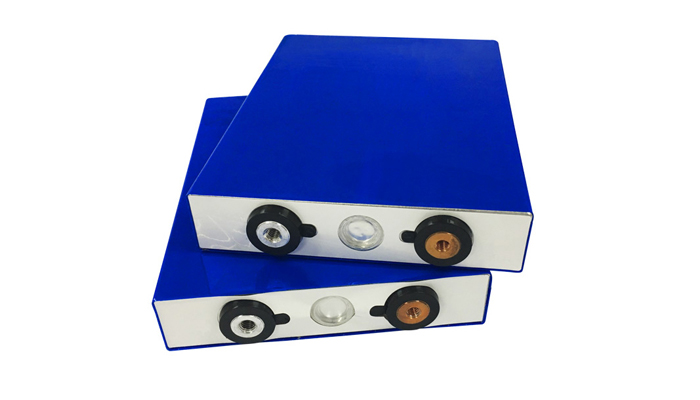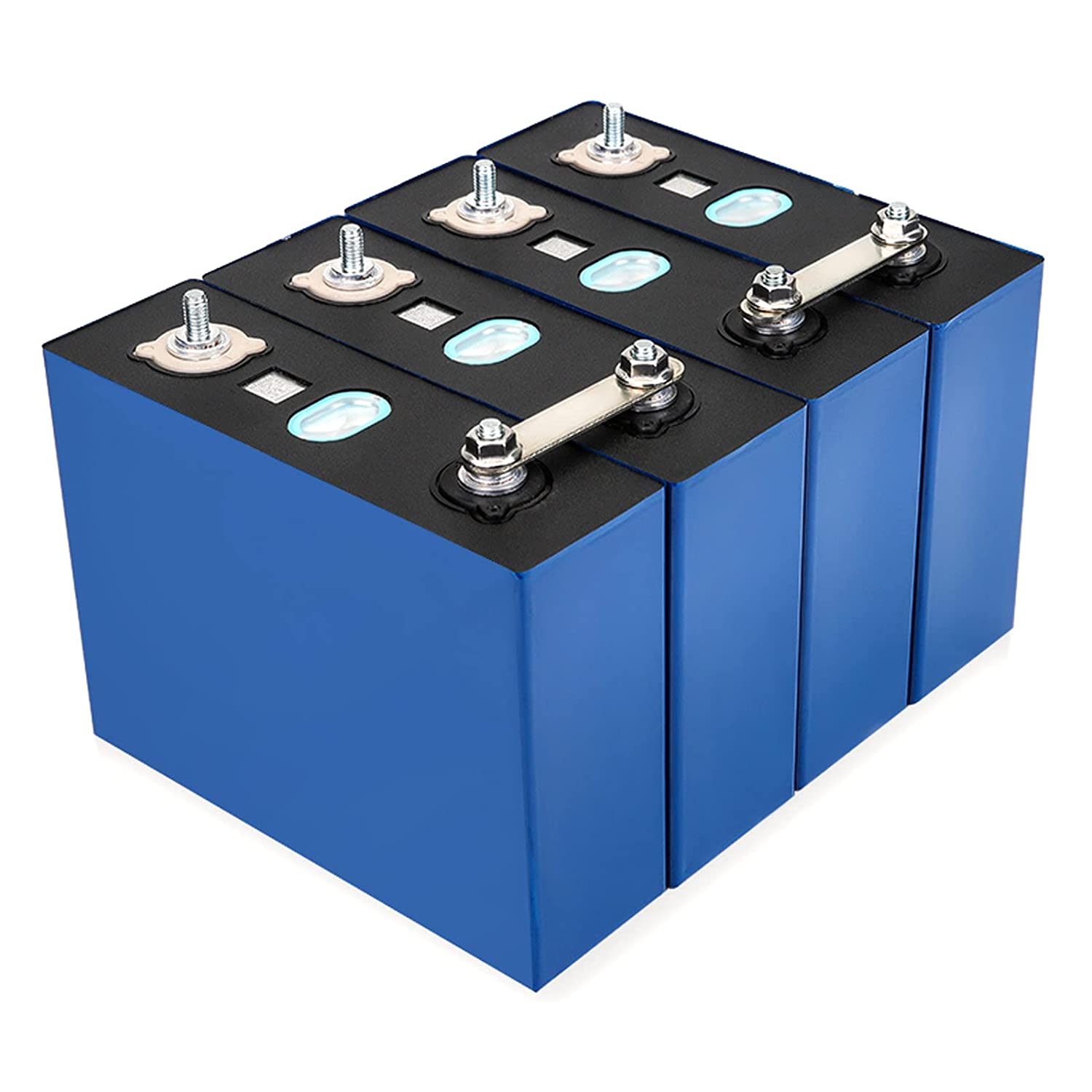



An RV owner who tops up a lithium battery every evening may wonder whether the pack will eventually remember those short cycles and lose usable capacity. That question borrows a real term from battery research, but it can lead to the wrong maintenance decision. Identify the chemistry, follow the charging instructions for the installed battery, and investigate a change in runtime before trying to change the way you cycle it.
Understand What the Term Describes
The phrase battery memory effect is often associated with some nickel-cadmium cells subjected to repeated cycling under particular conditions. In everyday use, people also apply the term to any rechargeable battery that seems to stop early. A change in the voltage curve, an inaccurate state-of-charge estimate and an actual loss of usable capacity are three different observations. They call for different evidence.
Research by Tsuyoshi Sasaki and colleagues published in Nature Materials in 2013 reported a small voltage signature in lithium iron phosphate after a particular partial cycling history. The researchers discussed the implications for estimating state of charge. Their result describes a measured electrochemical behavior. It does not establish that owners should periodically drain a commercial LiFePO4 battery to restore capacity.
Identify the Battery and Its Charge Settings
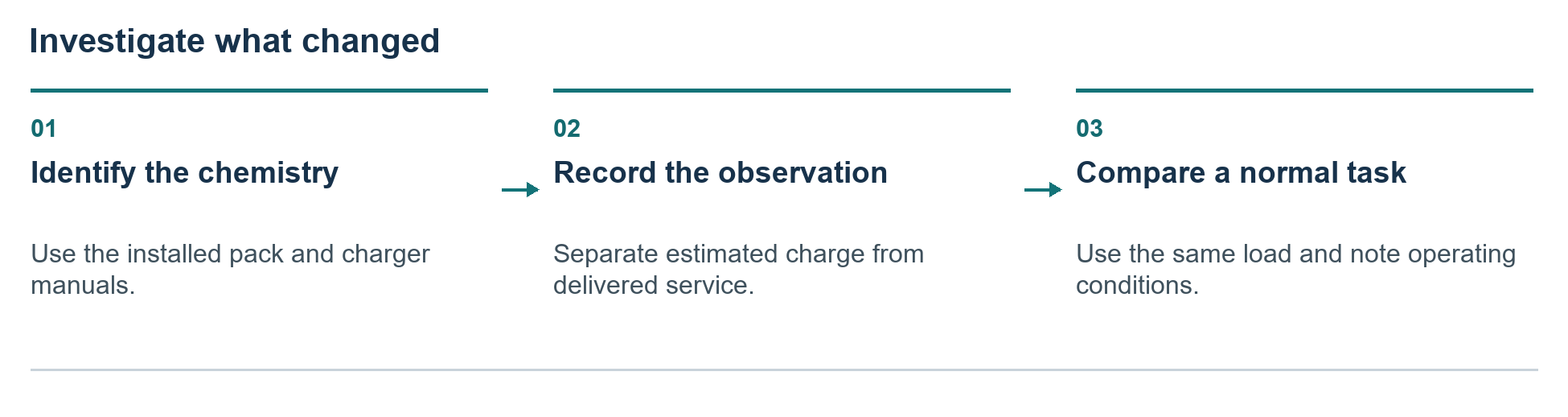
Start with the battery label, model and current manual. Verify that the charger is approved for the exact pack and that the installation uses the settings required by its manufacturer. The phrase “12 volt battery,” for example, tells you too little about chemistry or charge behavior. A replacement pack can fit into a similar voltage class while requiring different charging limits and protections.
A LiFePO4 battery catalog is useful for seeing how packs are grouped by application. Use the actual model documents to confirm charge and discharge limits, temperature limits and any conditions for balancing or recalibrating a monitor. Check the charger and battery together. Avoid copying another owner's settings from a forum or trying a discharge routine from an older nickel battery.
Compare the Display With What the System Delivers
If the display percentage changes abruptly or appears to stay high until shutdown, record what the system did. Note the start and end times, the loads running, approximate temperature, the value shown, and any charge, inverter or battery alerts. A monitor may estimate state of charge from measured current or other inputs, depending on the model. A percentage on its own does not diagnose the battery.
For example, imagine a camper battery that runs lights normally but the inverter cuts out whenever a high-draw appliance starts. That observation supports checking the equipment's limits and available records under load. It does not show that the battery learned an earlier discharge depth. Ask a qualified technician to assess the installation if the investigation requires access to live connections.
Keep the Usual Charging Routine Within the Manual
A partial recharge can be part of normal operation when the battery manufacturer permits it. If the manual calls for periodic full charging for balancing or for synchronization of the installed monitor, follow that model-specific instruction. Read the purpose of the procedure. Reaching a defined condition for balancing or monitor alignment is different from trying to remove a presumed memory effect.
When asking Polinovel Power or another manufacturer about a particular pack, send the model, charger details and the behavior you observed. Ask which indications the system exposes and what approved check comes next. Do not intentionally run the pack into protective shutdown, bypass protective devices or open the pack to investigate.
Establish a Baseline You Can Repeat
Choose a normal task the system already performs, such as running the same approved lights and electronics for part of an evening. Use comparable conditions and note extra loads. Record charge completion according to the equipment instructions and capture the time and alerts during ordinary operation. Repeat only when the equipment can be used safely and the manufacturer permits the conditions.
A repeatable baseline helps you decide whether a change follows the battery, the load or the way the monitor is reporting. If the system shows recurring faults or a marked decline, share the baseline with the service provider. They can advise whether a controlled capacity assessment is appropriate and how to conduct it for that model.
Conclusion
Battery memory effect has a specific meaning in research. In daily LiFePO4 use, follow the pack and charger instructions and document what changed before attributing it to cycling habits. Compare delivered service, reported percentage and equipment alerts so each observation can guide the right next check.
Q&A
Should I drain a LiFePO4 battery before each recharge?
Follow the installed battery's charging instructions. An intentional full discharge to prevent presumed memory is generally not an appropriate maintenance routine.
Can a state of charge reading change without capacity loss?
Yes. An estimate can change as the monitor receives new information or reaches a synchronization condition. Compare the reading with delivered operation and equipment alerts.
Does a laboratory voltage signature establish a maintenance schedule?
No. The research result describes particular test conditions. Use the procedures published for your complete battery and charging system.