

A battery monitor reads 35 percent when a pump starts and an inverter cuts out. Before attributing the event to battery memory effect, identify which device stopped supplying or using power. Compare the load, temperature and charging history with the documentation for the installed system.
Capture the Shutdown Before Resetting Anything
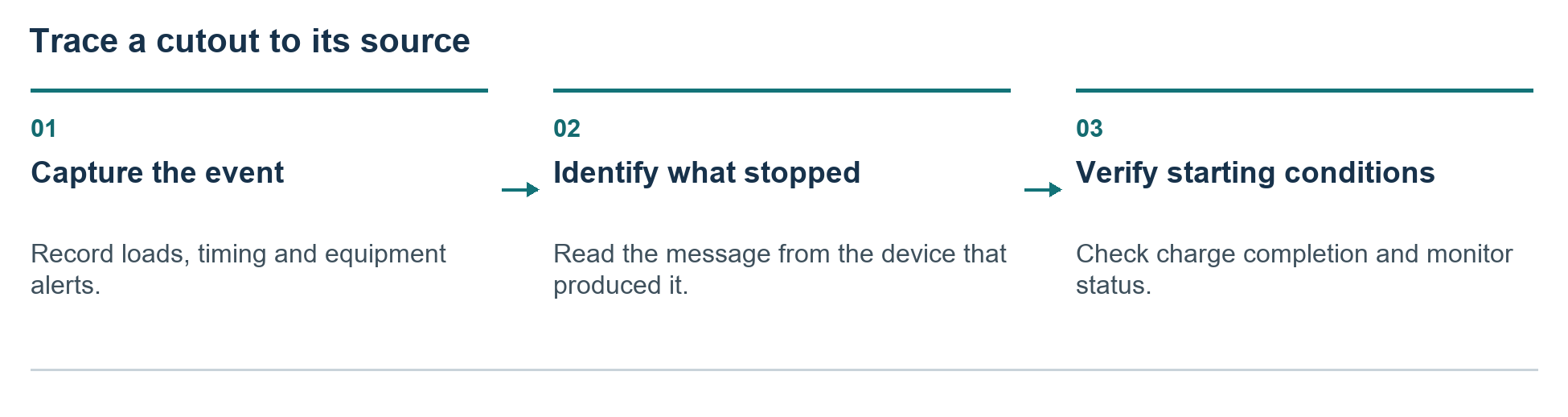
If the equipment is safe to approach and the manual allows it, record the time and any messages shown by the monitor, inverter, charger or battery management system. Note which loads stopped and whether the display stayed on. A report that says “the battery died” can describe several different events. In one, the inverter shut down while other loads continued. In another, the battery protection interrupted discharge.
Write down what changed immediately before the event. A new appliance, a cold morning, or a charger that stopped earlier than usual gives the service team a better starting point. Follow the approved recovery procedure. If the event repeats, report the pattern before attempting another run under the same conditions.
Identify the Device That Set the Limit
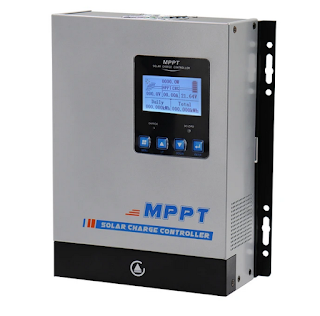
Read the alerts against the manual for the device that generated them. An inverter can stop when its own input condition is outside its limits. Battery protection can respond to a condition monitored inside the pack. A state-of-charge display is an estimate and can remain visible even when a device has stopped for another reason. Treat the display as one clue.
Victron's Lithium NG troubleshooting documentation gives examples of battery management protection and cell imbalance in its own equipment. It illustrates why a pack-level percentage is insufficient to interpret a shutdown. Use the actual battery and inverter documentation to identify the protections that apply to your installation. Only trained personnel should perform electrical measurements or service work requiring access to live components.
Compare the Load With the Actual System
List the loads operating before the cutout and the device that had just started. A load can briefly demand more power at startup than it uses after settling. Also check whether another appliance was already drawing power. The useful comparison is between the approved system limits and the load at the moment of the event, under the actual installation conditions.
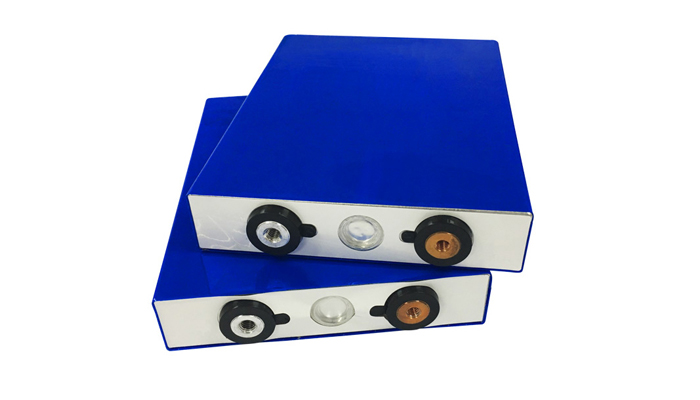
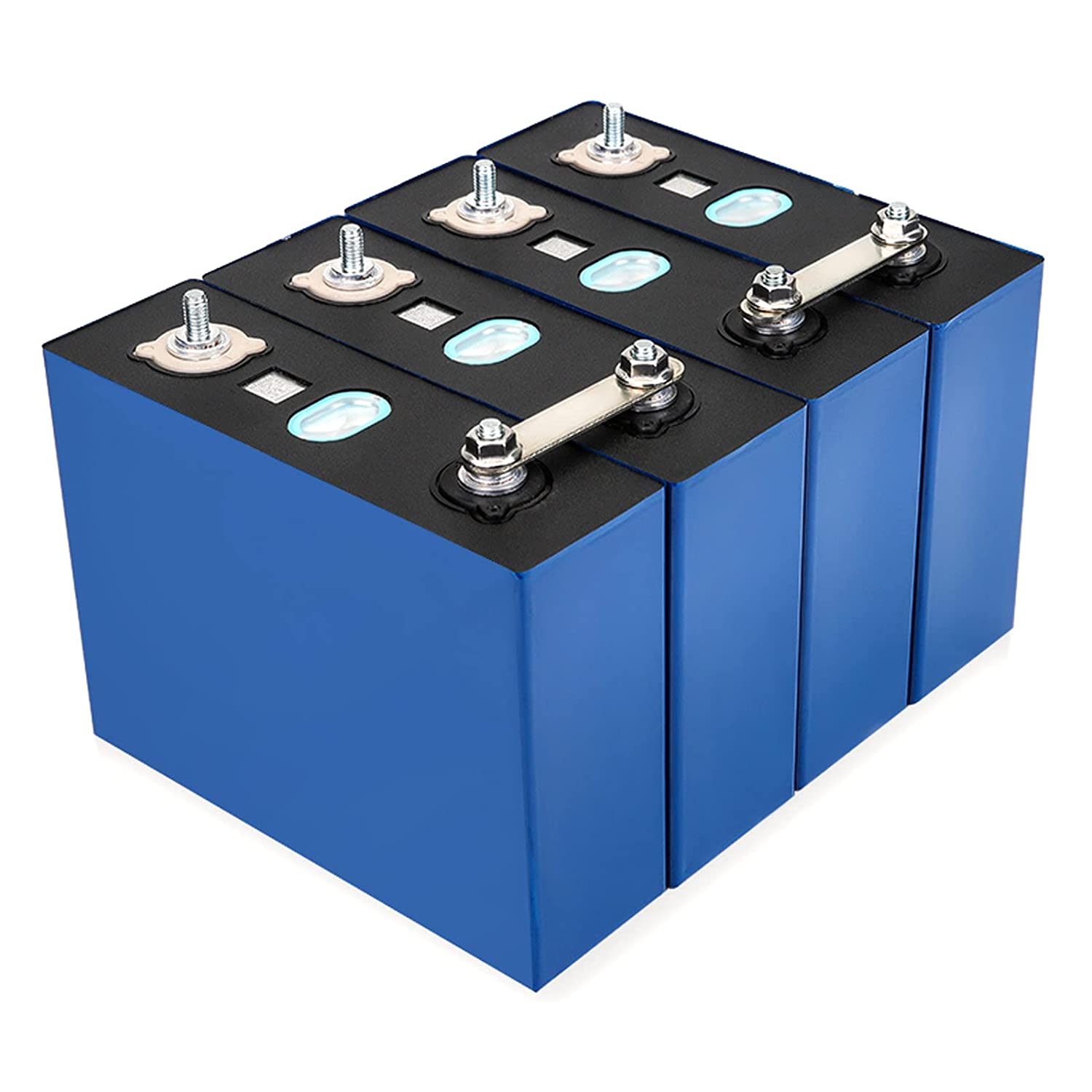
The marine and RV LiFePO4 product listing provides an example of how manufacturers describe the chemistry and intended uses. For a diagnosis, obtain the documentation for the exact pack revision and compare it with the installed inverter, charging equipment and loads. A capacity label alone cannot tell you whether a brief startup demand is supported.
Verify Whether the Pack Started From the Expected State
Check the charging record before the shutdown. Ask whether the charger completed its approved sequence, whether a protection or temperature condition interrupted charging, and whether the battery monitor had a documented opportunity to synchronize. Charger status, battery status and display percentage describe different parts of the system. Keep their timestamps so the sequence can be reconstructed.
If the monitor consistently appears optimistic, ask Polinovel Power or the supplier of the installed pack which information is available for that model. Provide the battery and charger identification, load at the event, observed temperature and any alerts. Ask how to distinguish an estimation issue from an actual reduction in usable service. Avoid changing protection thresholds or repeatedly forcing a shutdown.
Give the Service Team a Useful Comparison
Compare the event with a previous normal run using the same equipment. In a hypothetical example, the battery powers the usual lighting for the expected time, but the inverter cuts out when the pump and another appliance start together. That pattern helps the technician focus on the high-load condition. If ordinary loads also stop earlier than they did before, the technician may need to evaluate charging, battery condition or another part of the installation.
Collect the equipment models, settings available from authorized screens, timing and any changes in weather or workload in one service record. Mark uncertain fields as unknown.
Conclusion
A nonzero reading at shutdown gives you a symptom to investigate. Identify the device that stopped, record the loads and alerts, and confirm that the pack started from the expected charge condition. Bring those observations to the supplier or service technician so they can choose a check suited to the installed equipment.
Q&A
Does a shutdown under load mean the battery is worn out?
No. It can reflect limits or conditions elsewhere in the system. Compare the fault record and load with the documentation before drawing a conclusion.
Is restarting the inverter enough to verify a repair?
Verify the approved task that failed and review the equipment status after it runs.
Can I calibrate the display by running the pack flat?
Use the monitor and battery maker's approved synchronization procedure. Do not run the pack into protective shutdown to try to calibrate the display.