




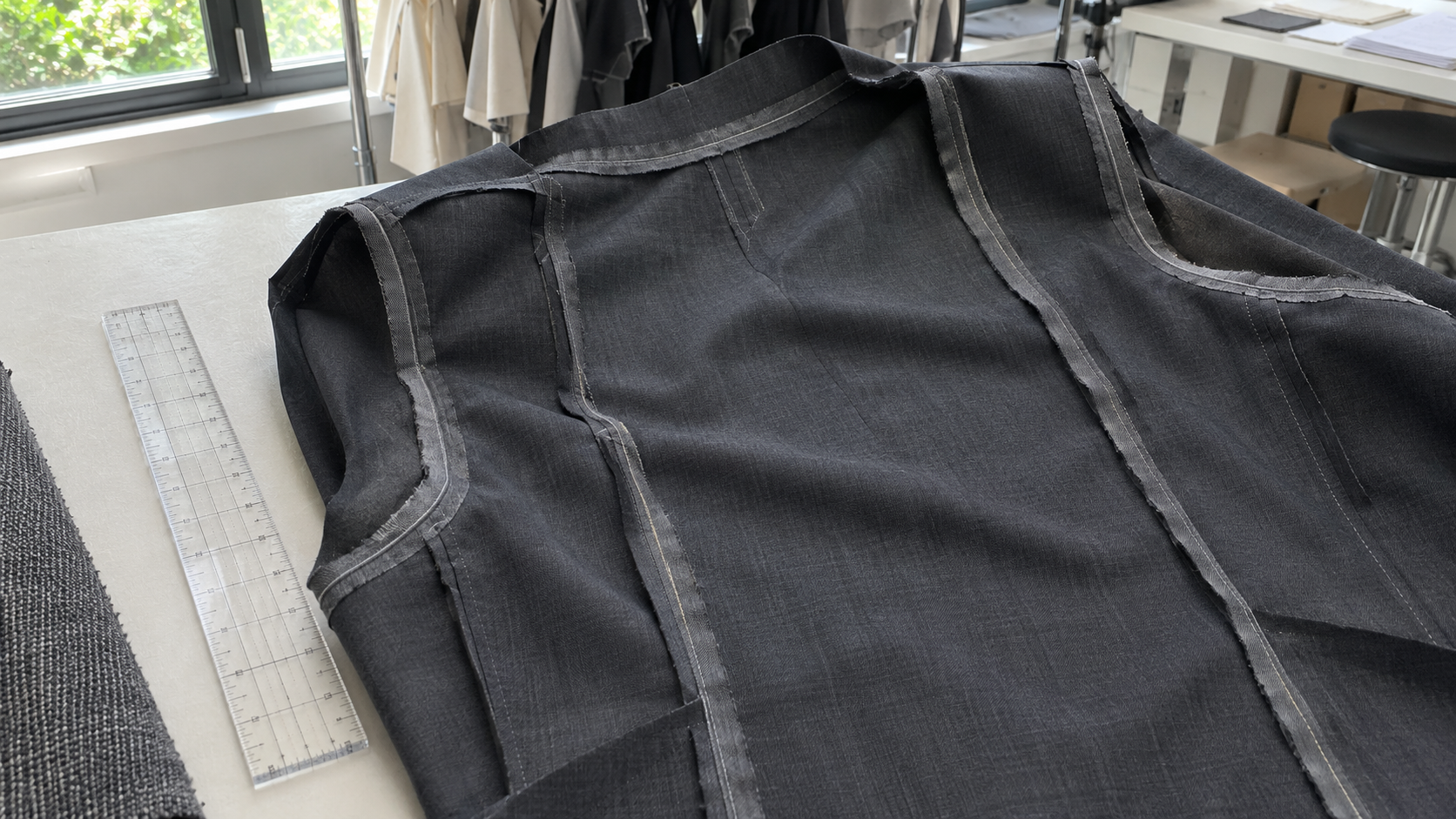
A sample can match the chest measurement and still have a seam that is difficult to reproduce in bulk. Give the cutter, machinist and reviewer a shared reference for the stitch line and cut edge. On a striped garment, also check whether the fabric was already bowed before cutting.
Mark the Seam Line Before the Cut Edge
The seam allowance is the distance between the intended seam line and the cut edge. On a finished garment, the seam line usually determines where the joined pieces sit. The cut edge gives the sewing operation material to work with. Pattern pieces can arrive with allowance already included or without it. Put that distinction on each released pattern or pattern set, especially when a team shares digital files with several workshops.
Mark changes along the same edge. A side seam may end at a hem turn, and a neckline may transition into an opening or facing. A note that says “standard allowance throughout” leaves those transitions open to interpretation. Ask the patternmaker to identify the points where the construction changes and label the allowance at those points in the drawing.
Assign an Allowance to the Sewing Operation
Start with the planned seam and finish. A serged knit side seam, a turned woven hem and an enclosed seam use the fabric beyond the stitch line differently. Some operations trim part of the allowance during sewing. Others fold it or enclose it. Discuss the intended result and available machinery with the sample room before settling on a number.
Consider a woven shirt with topstitching on the outside and an enclosed seam inside. If the technical pack shows only the topstitching, a machinist may produce the same exterior with an exposed inside edge. Include a cross section and retain a sample of the intended construction.
Show Which Details the Product Listing Cannot Answer
Product pages can identify a garment family and fabric starting point. For example, the Ideals Clothing apparel catalog shows knit tops, polo shirts and other cut-and-sew categories. When comparing those styles, request a separate construction detail for the actual garment. A knit top listed in a catalog does not establish the allowance a new pattern needs around its neckline or sleeves.
Give the sample maker a simple seam map. For every seam that could be interpreted in more than one way, include the pattern revision, seam ID, allowance before sewing, intended construction and any requirement that can be inspected after sewing. If the cut edge is trimmed, describe how the cutting or sewing stage will be checked. A reviewer cannot reconstruct every original cut dimension from the completed sample.
Check a Curved Seam and a Straight Seam
Inspect a representative straight seam for alignment and finish. Then choose a curve or transition where the operation is harder to control. At the neckline, for example, check whether the seam sits as intended when turned and whether the attachment has stretched or distorted the opening. Record what was seen and which seam or pattern revision it came from.
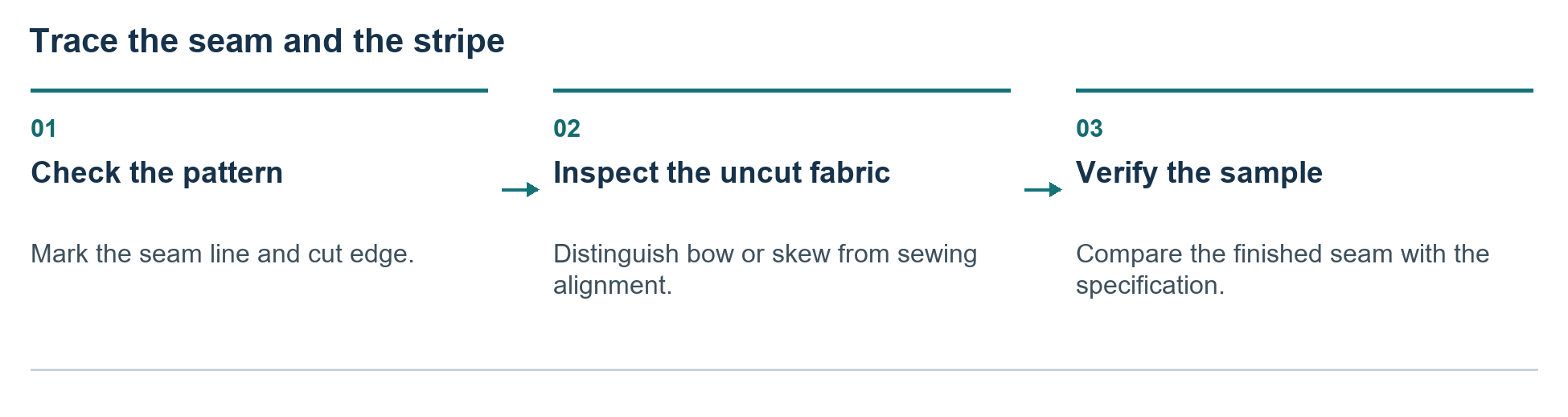
If the sample differs from the drawing, trace the problem in order. Check the pattern, the cut pieces where available, and the sewing operation. Correct the instruction at the stage where the difference began. When reviewing a sample with Ideals Clothing or another manufacturing partner, show the actual construction issue and the approved revision so the response can be applied to the next sample.
Check Fabric Bow When the Stripe Looks Wrong
Lay out a representative uncut section before blaming the seam for a mismatched stripe. A stripe that curves across the fabric can reveal bow. A line that runs diagonally across the width can indicate skew. ASTM D3882 covers the measurement of bow and skew in woven and knitted fabrics. Use the agreed inspection method and tolerance for the order rather than treating a visual check as a test result.
If the stripe is straight on the uncut fabric and misaligned in the garment, inspect pattern placement, cutting and sewing in sequence. Record fit and construction separately. A garment can measure correctly while the stripe alignment or seam finish falls outside the agreed requirement.
Keep the approved sample, seam map and pattern together. Before bulk cutting, confirm the production team has the current revision. If a change is proposed for a different machine or fabric, ask to see the revised seam before approving it.
Conclusion
Specify seam allowance by seam and operation. Mark the stitch line and cut edge, explain how the edge will be handled, and verify both the finished garment and the process that produced it. When a stripe misses its match point, compare the uncut fabric before changing the pattern. A good sample makes the approved method easy for the next person to repeat.
Q&A
Can I use one seam allowance for the whole pattern?
Use a common allowance where the construction permits it. Label exceptions where an edge needs to be folded, enclosed, trimmed or handled differently.
Should I measure the allowance on the finished garment?
Measure it where the construction leaves the relevant points accessible. For seams that are trimmed or enclosed, arrange the check earlier in production and also inspect the finished seam.
Is seam allowance the same as a measurement tolerance?
No. Allowance is part of the pattern or construction. A tolerance describes the permitted variation around a specified measurement.



The Silent Architecture of Strong Alliances
Close alliances are rarely held together by contracts alone. Whether in personal circles, political partnerships or strategic cooperation between
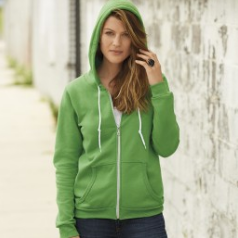
In our blank Zipper collection we offer this new style which is a classic blank top Anvil women's full zip hooded sweat which we are offering in many colours and sizes from stock.
This blank garment is made from a quality fabric which is 245 in quality and it comes in the popular Anvil brand.
It has a fabric composition of 75% Cotton, 25% Polyester fleece.
For more information visit us - https://bit.ly/3cIpa0c