





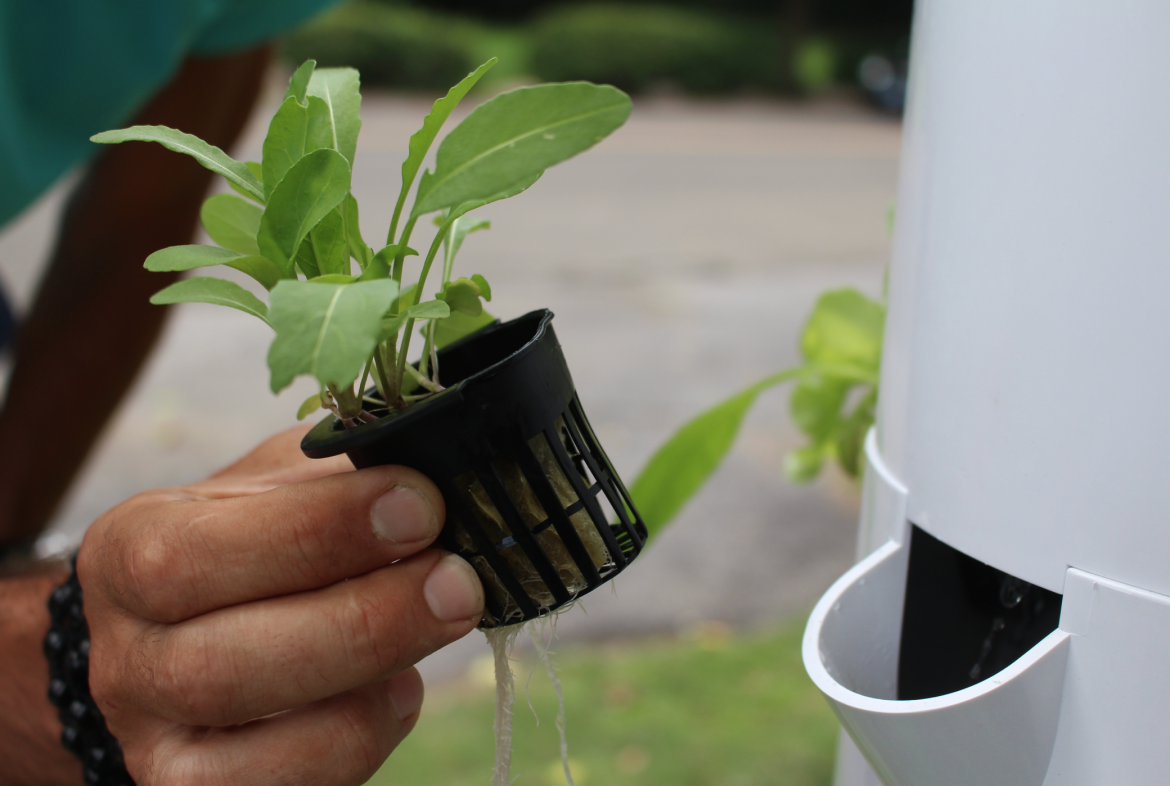
Aeroponic tower gardens represent a modern approach to gardening, leveraging technology to grow plants efficiently in a controlled environment. One of the most critical aspects of maintaining a successful aeroponic garden is the management of nutrient solutions. This guide will explore the fundamentals of nutrient solution management, including the composition, preparation, monitoring, and adjustments necessary to ensure optimal plant growth and health.
Understanding Nutrient Solutions
Nutrient solutions are the lifeblood of an aeroponic system. They provide essential minerals and nutrients that plants need to grow, as soil is not used in this method. These solutions must be carefully balanced to promote healthy plant development and maximize yield.
Essential Nutrients
Plants require a variety of nutrients, categorized into macronutrients and micronutrients.
Macronutrients:
- Nitrogen (N): Vital for leaf growth and chlorophyll production.
- Phosphorus (P): Essential for root development and energy transfer.
- Potassium (K): Important for water regulation, enzyme activation, and overall plant health.
Secondary Macronutrients:
- Calcium (Ca): Crucial for cell wall structure and stability.
- Magnesium (Mg): Central component of chlorophyll, aiding in photosynthesis.
- Sulfur (S): Integral part of amino acids and proteins.
Micronutrients:
- Iron (Fe): Necessary for chlorophyll synthesis and enzyme function.
- Manganese (Mn): Plays a role in photosynthesis and nitrogen metabolism.
- Zinc (Zn): Important for growth hormone production and enzyme systems.
- Copper (Cu): Involved in photosynthesis, respiration, and lignin synthesis.
- Boron (B): Crucial for cell wall formation and reproductive development.
- Molybdenum (Mo): Important for nitrogen fixation and nitrate reduction.
- Chlorine (Cl): Involved in osmosis and ionic balance within plants.
Composition of Nutrient Solutions
A typical nutrient solution for aeroponic systems includes all the essential macro and micronutrients dissolved in water. The exact formulation can vary depending on the type of plants being grown and their specific needs.
Commercially available nutrient solutions are often used, and these come in two or three-part formulations to ensure that nutrients remain stable and do not precipitate out of the solution.
pH and Electrical Conductivity (EC)
pH Level: The pH of the nutrient solution should be maintained within a specific range (usually 5.5 to 6.5) to ensure nutrient availability. If the pH is too high or too low, plants may not be able to absorb certain nutrients effectively.
Electrical Conductivity (EC): EC measures the total dissolved salts in the solution, indicating the concentration of nutrients. Maintaining the correct EC level is crucial for plant health; too high can cause nutrient burn, while too low can lead to nutrient deficiencies.
Preparing Nutrient Solutions
Water Quality
Start with high-quality water. Tap water is commonly used, but it should be tested for contaminants and adjusted if necessary. Distilled or reverse osmosis water can also be used to avoid impurities.
Mixing Nutrients
Follow these steps to prepare a nutrient solution:
- Measure the Water: Start with a known volume of water.
- Add Nutrients: Add the macro and micronutrients according to the manufacturer’s instructions. Mix them well to ensure they are fully dissolved.
- Adjust pH: Use pH up or pH down solutions to adjust the pH to the desired range.
- Check EC: Measure the EC and adjust by adding more water or nutrient solution as needed.
Storing Nutrient Solutions
Store nutrient solutions in a cool, dark place to prevent the growth of algae and bacteria. Solutions should be used within a few days to a week to maintain their effectiveness.
Monitoring and Adjusting Nutrient Solutions
Regular monitoring and adjustment of the nutrient solution are critical to maintaining a healthy aeroponic system.
Daily Checks
pH Levels: Check and adjust the pH daily to ensure it remains within the optimal range.
EC Levels: Measure the EC daily to monitor nutrient concentration. Adjust as necessary to avoid nutrient burn or deficiencies.
Weekly Maintenance
Solution Replacement: Replace the entire nutrient solution weekly to prevent the buildup of unwanted salts and contaminants.
System Cleaning: Clean the reservoir and system components to prevent algae growth and clogging.
Troubleshooting Common Issues
- Nutrient Deficiencies: Symptoms include yellowing leaves, stunted growth, and poor yield. Adjust the nutrient solution to address specific deficiencies.
- Nutrient Burn: Symptoms include brown, crispy leaf edges. Dilute the nutrient solution to lower the EC.
- pH Fluctuations: Rapid changes in pH can stress plants. Ensure consistent monitoring and use buffering solutions if necessary.
- Algae Growth: Prevent by using opaque reservoirs and regularly cleaning the system. Consider using UV sterilizers to control algae and bacterial growth.
Advanced Techniques
Automated Systems
Consider using automated pH and EC controllers to maintain consistent levels. These systems can adjust pH and nutrient concentrations automatically, reducing manual labor and ensuring optimal conditions.
Organic Nutrient Solutions
For organic growers, organic nutrient solutions can be used. These solutions are derived from natural sources and can be more complex to manage but offer a sustainable alternative to synthetic nutrients.
Foliar Feeding
In addition to root feeding, foliar feeding (applying nutrients directly to the leaves) can be used to address specific deficiencies quickly. Use a diluted nutrient solution and apply with a spray bottle.
Custom Nutrient Formulations
Experienced growers may develop custom nutrient formulations tailored to the specific needs of their plants. This requires a deeper understanding of plant nutrition and regular testing of plant tissue and nutrient solutions.
Conclusion
Managing nutrient solutions in an aeroponic tower garden is a crucial aspect of maintaining a healthy and productive system. By understanding the composition of nutrient solutions, preparing them correctly, and monitoring and adjusting them regularly, you can ensure that your plants receive the optimal nutrients they need to thrive. Whether you are a novice or an experienced gardener, following these guidelines will help you achieve success in your aeroponic gardening endeavors.
Thump Aeroponic Tower Garden
naturehydro@dehuangroup.com
https://www.mobilegrowsystem.com

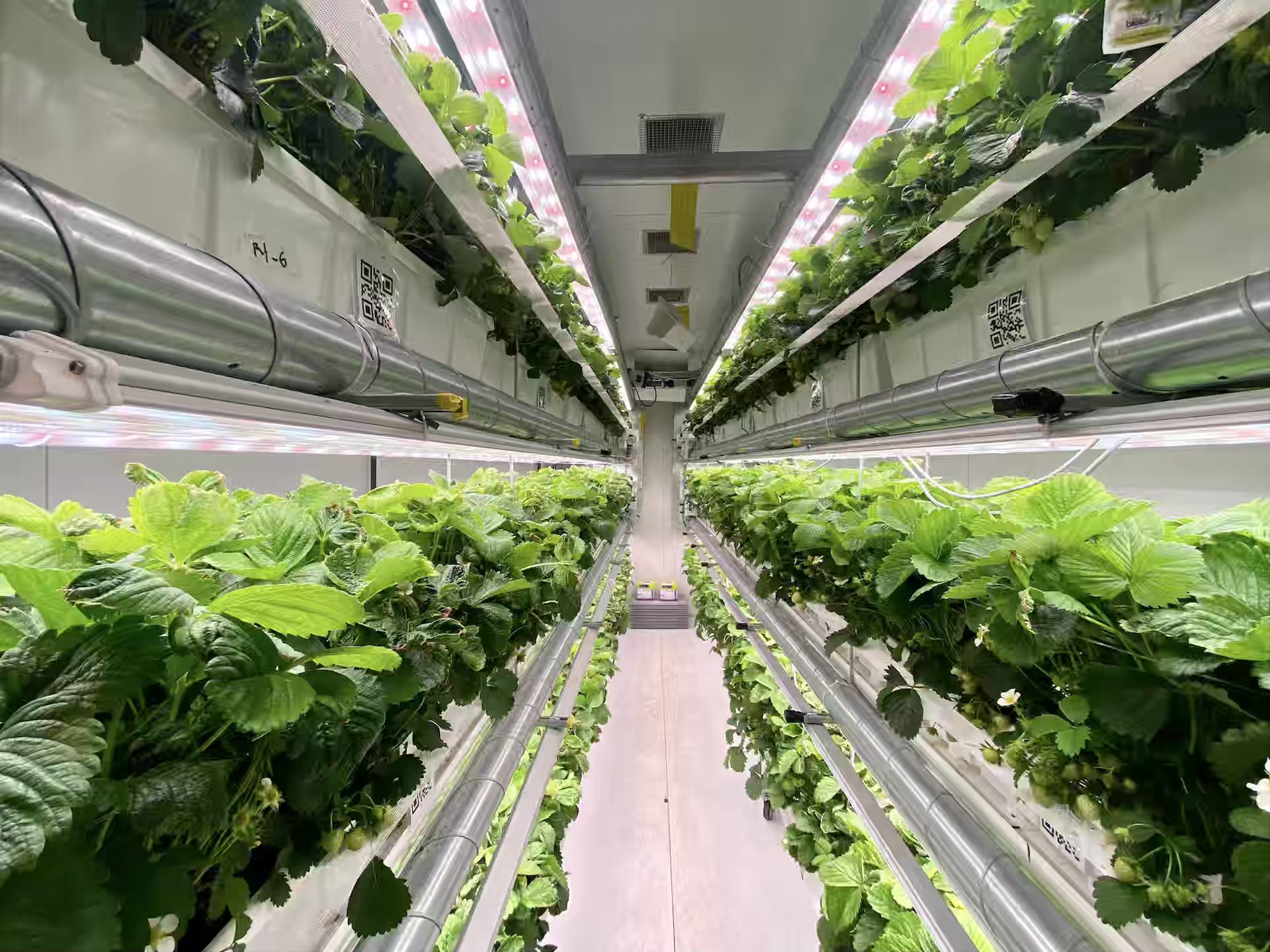
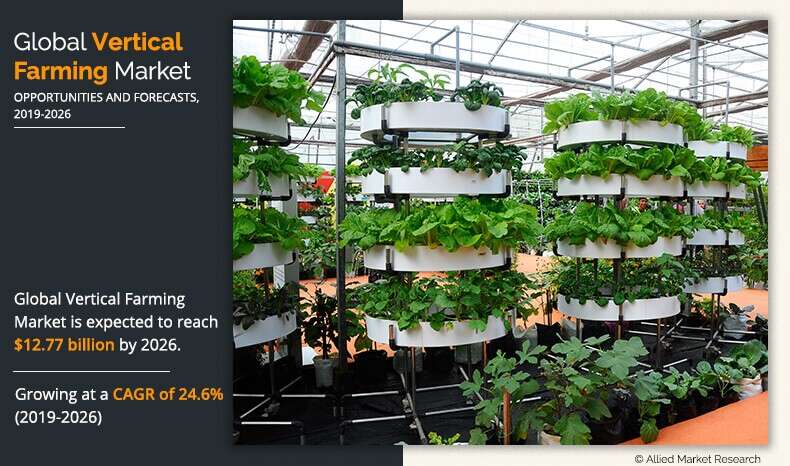
Optimum usage of vertical space & energy utilization, ease in monitoring and harvesting of crops, and limited availability of arable land for carrying out traditional agriculture drive the growth of the global vertical farming market.
On the other hand, rise in urban population and surge in prominence of organic foods create new opportunities in the industry.According to the report, the global vertical farming industry accounted for $2.23 billion in 2018, and is expected to garner $12.77 billion by 2026, registering a CAGR of 24.6% from 2019 to 2026.The building-based vertical farms segment to maintain its dominant position by 2026Based on structure, the building-based vertical farms segment contributed for the highest market share in the global vertical farming market in 2018, accounting for nearly three-fifths of the total share, and is expected to maintain its dominant position during the forecast period.
This is due to rise in urban population, shortage of arable land, and rapid surge in the adoption of novel food production techniques.However, the shipping container based vertical farms segment is expected to grow at the highest rate with a CAGR of 28.1% from 2019 to 2026, owing to less cost and time required for construction as compared to conventional agriculture.
Read Full Article: https://bit.ly/3kUqnFt The hydroponics segment to maintain its lead during the forecast periodBased on growth mechanism, the hydroponics segment held around two-fifths of the total market share of the global vertical farming market in 2018, and will maintain its leadership status during the forecast period.
This is due to increase in prominence owing to its ability to manufacture more nutritious eatables in less space along with reduction of the cost associated with maintenance and labors.Moreover, it can avoid usage of animal excreta that makes this process cleaner.
On the other hand, the aeroponics segment is estimated to register the highest CAGR of 25.6% from 2019 to 2026, owing to reduced waste generation, labor cost, and minimal water requirement for producing fruits and vegetables.
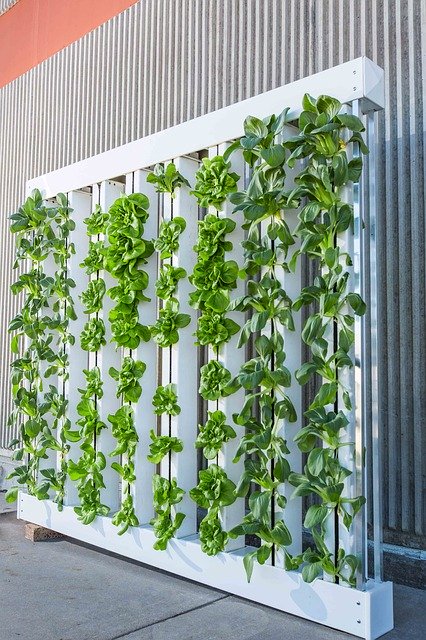
The global vertical farming market size is anticipated to reach USD 9.96 billion by 2025, according to a new report by Grand View Research, Inc., expanding at a CAGR of 21.3% over the forecast period.
Information obtained from the sensors is stored on the cloud and analyzed to perform the required actions.
Growing automation in agriculture and increasing use of big data and predictive analytics for maximizing yields are also likely to drive the market.Vertical farming is effective in ensuring the stability in the crop production and maintaining reliability even in adverse climatic conditions.
It provides multiple benefits over traditional farming technique, such as less use of water, lesser need of agrochemicals, and low dependence on agricultural labours.
Vertical farming makes use of metal reflectors and artificial lighting to maximize natural sunlight.Genetically modified organisms and environmental and health effects of pesticides and other non-natural substances that are used for increasing agricultural production have encouraged the consumers to adopt organic foods.
According to the Organic Trade Association, the U.S. organic industry sales increased by around 11% in 2018, owing to increased investment in infrastructure and education.