

Catch basin drains play a crucial role in urban infrastructure, ensuring the effective management of stormwater and safeguarding roads and other critical infrastructure. As cities grow and the impact of climate change becomes more pronounced, the importance of these drainage systems has only increased. This article explores the functionality of catch basin drains, their benefits, and the various ways they contribute to maintaining road integrity and overall infrastructure resilience.
1. The Purpose of Catch Basin Drains
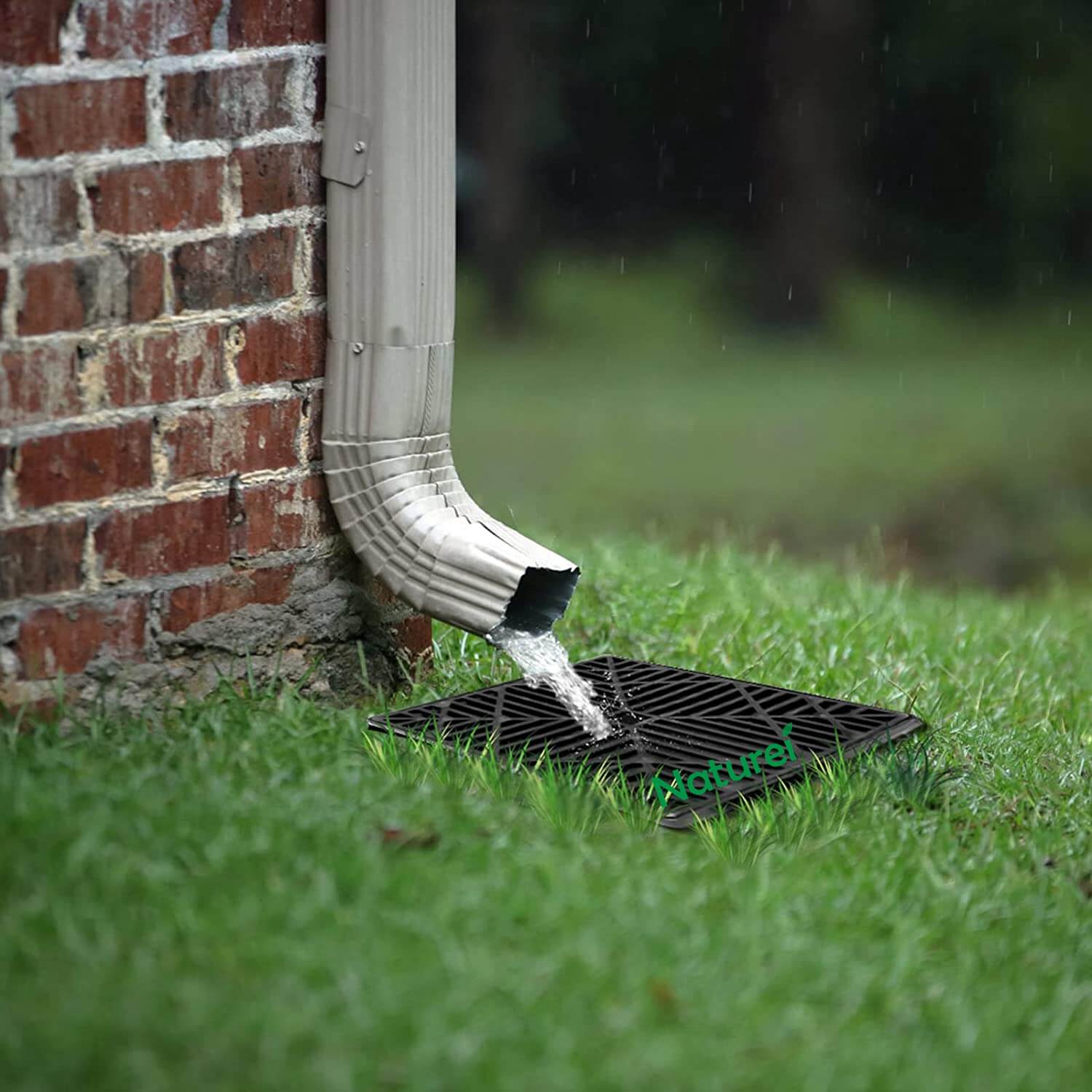
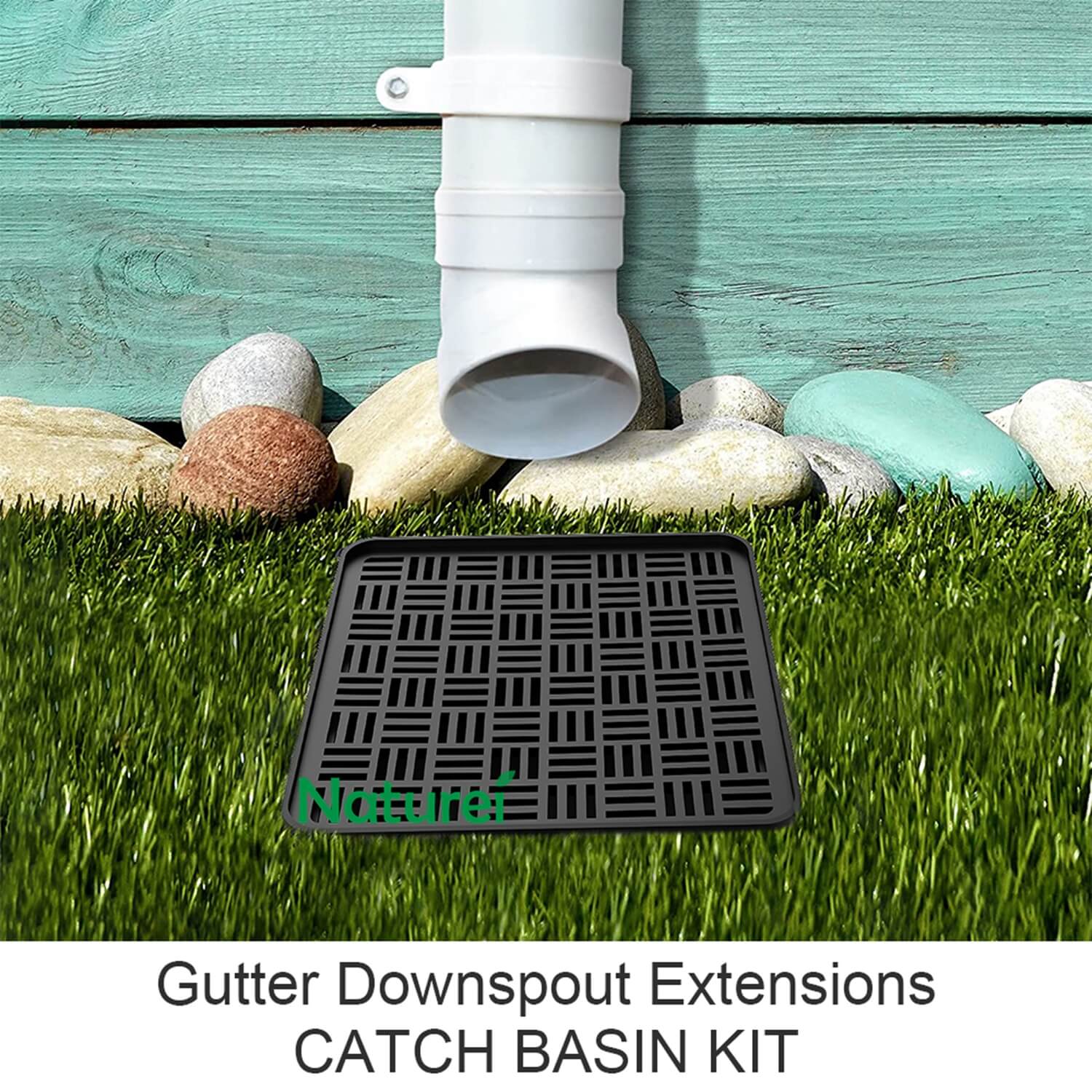
Catch basin drains, also known as storm drains or inlet drains, are designed to collect and manage surface water runoff from rainstorms and other precipitation events. They are typically installed at the lowest points of roadways and parking lots to capture water and direct it into a larger stormwater management system. The primary purposes of catch basin drains are:
- Preventing Flooding: By capturing excess water, catch basins help prevent localized flooding that can damage roads, disrupt traffic, and pose safety hazards.
- Protecting Infrastructure: Catch basins prevent water from pooling on road surfaces, which can lead to erosion, potholes, and other forms of infrastructure damage.
- Reducing Pollution: These drains help filter out debris and pollutants from stormwater, reducing the risk of these contaminants reaching larger water bodies.
2. Components and Design of Catch Basin Drains
Catch basin drains consist of several key components, each playing a specific role in the drainage process:
- Grate: The grate is the visible part of the catch basin, located at street level. It is designed to allow water to enter the basin while preventing large debris from falling in. Grates are typically made of metal or reinforced plastic and are perforated to enable efficient water flow.
- Inlet Chamber: Beneath the grate, the inlet chamber collects the water and debris that falls through the grate. This chamber is usually designed with a sloped bottom to guide water towards the outlet pipe.
- Filter: Many catch basins include a filtering mechanism, such as a sediment trap or basket, to capture smaller debris and sediment. This helps prevent clogging in the downstream drainage system.
- Outlet Pipe: The outlet pipe carries the collected water from the catch basin to a larger stormwater management system, such as a retention pond, a storm sewer, or a treatment facility.
- Overflow Mechanism: In cases of heavy rainfall, catch basins are equipped with overflow mechanisms to handle excessive water and prevent backups or flooding.
3. Benefits of Catch Basin Drains
Catch basin drains offer numerous benefits that contribute to the overall functionality and safety of roadways and infrastructure:
- Enhanced Road Safety: By preventing water accumulation on road surfaces, catch basins reduce the risk of hydroplaning and accidents caused by slippery conditions. This is particularly important during heavy rainfall and winter weather.
- Extended Road Lifespan: Water pooling on roads can accelerate the formation of potholes and other surface defects. By effectively managing stormwater, catch basins help extend the lifespan of road surfaces and reduce maintenance costs.
- Erosion Control: Catch basins help manage runoff and reduce soil erosion, which can undermine road foundations and surrounding infrastructure. This is especially important in areas with steep grades or loose soils.
- Pollution Reduction: By filtering out debris and pollutants, catch basins help protect water quality in local streams, rivers, and lakes. This contributes to overall environmental health and compliance with regulatory standards.
- Flood Prevention: Effective stormwater management through catch basins helps prevent flooding in urban areas, which can cause significant property damage and disrupt daily activities.
4. Installation and Maintenance
Proper installation and regular maintenance are essential for ensuring the effectiveness of catch basin drains:
- Installation: Catch basin drains should be installed by professionals with expertise in stormwater management. Factors such as drainage capacity, local topography, and soil conditions must be considered to ensure optimal performance.
- Maintenance: Regular maintenance is crucial for preventing clogs and ensuring the catch basin operates efficiently. Maintenance tasks include:
- Cleaning Grates and Filters: Removing debris from grates and filters helps maintain proper water flow and prevents blockages.
- Inspecting Inlet Chambers: Regular inspections of inlet chambers help identify any sediment buildup or structural issues.
- Clearing Outlet Pipes: Ensuring that outlet pipes are free of obstructions prevents backups and ensures smooth water flow.
- Repairing Damaged Components: Any damage to grates, chambers, or pipes should be promptly repaired to prevent system failure.
5. Challenges and Considerations
While catch basin drains offer significant benefits, there are also challenges and considerations associated with their use:
- Clogging: Catch basins can become clogged with debris, leaves, and other materials, reducing their effectiveness. Regular maintenance is required to address this issue.
- Capacity Limitations: In areas with high rainfall or rapid urban development, catch basins may not have sufficient capacity to handle the increased runoff. In such cases, additional stormwater management solutions may be necessary.
- Environmental Impact: Catch basins can sometimes inadvertently contribute to the transfer of pollutants from roadways to water bodies. Advanced filtration and treatment technologies can help mitigate this issue.
- Cost: The installation and maintenance of catch basin drains involve costs that must be considered in the overall budget for infrastructure projects.
6. Innovations and Future Directions
Advancements in catch basin design and technology are continually improving their effectiveness and environmental impact. Some innovative approaches include:
- Enhanced Filtration Systems: New filtration technologies, such as biofilters and oil-water separators, are being integrated into catch basins to improve pollutant removal and water quality.
- Smart Catch Basins: Smart sensors and monitoring systems are being developed to provide real-time data on catch basin performance and maintenance needs, allowing for more efficient management.
- Green Infrastructure: Combining catch basins with green infrastructure solutions, such as permeable pavements and vegetated swales, can enhance stormwater management and promote environmental sustainability.
- Public Education: Increasing public awareness about the importance of maintaining clean catch basins and preventing littering can help improve the effectiveness of these systems.
Conclusion
Catch basin drains are a vital component of urban infrastructure, playing a key role in managing stormwater, protecting roads, and reducing environmental impact. Through their design, installation, and maintenance, catch basins help ensure safe and functional roadways while contributing to overall infrastructure resilience. As cities continue to grow and face new challenges, ongoing innovations and advancements in catch basin technology will be essential in addressing future stormwater management needs and safeguarding our infrastructure.