


Receiving a diagnosis of advanced prostate cancer can be overwhelming, not only for the individual affected but also for their loved ones. As the cancer advances, it becomes more difficult to treat, requiring a multi-faceted approach to care. However, advances in medical treatments have significantly improved outcomes, allowing patients to manage the disease better and maintain a good quality of life.
Understanding what to expect during advanced Prostate cancer treatment is crucial for both patients and caregivers, as it helps to alleviate anxiety and plan for the journey ahead.
What are the stages of treatments for advanced prostate cancer?
Prostate cancer is slow-growing and manageable in its early stages. However, when it advances and spreads to areas like bones or lymph nodes, the treatment focus shifts from curative to palliative, aiming to control the disease and alleviate symptoms.
Advanced prostate cancer treatment typically involves a combination of therapies, and the course of treatment is often tailored to the individual. Some common approaches include:
1. Hormone Therapy (Androgen Deprivation Therapy)
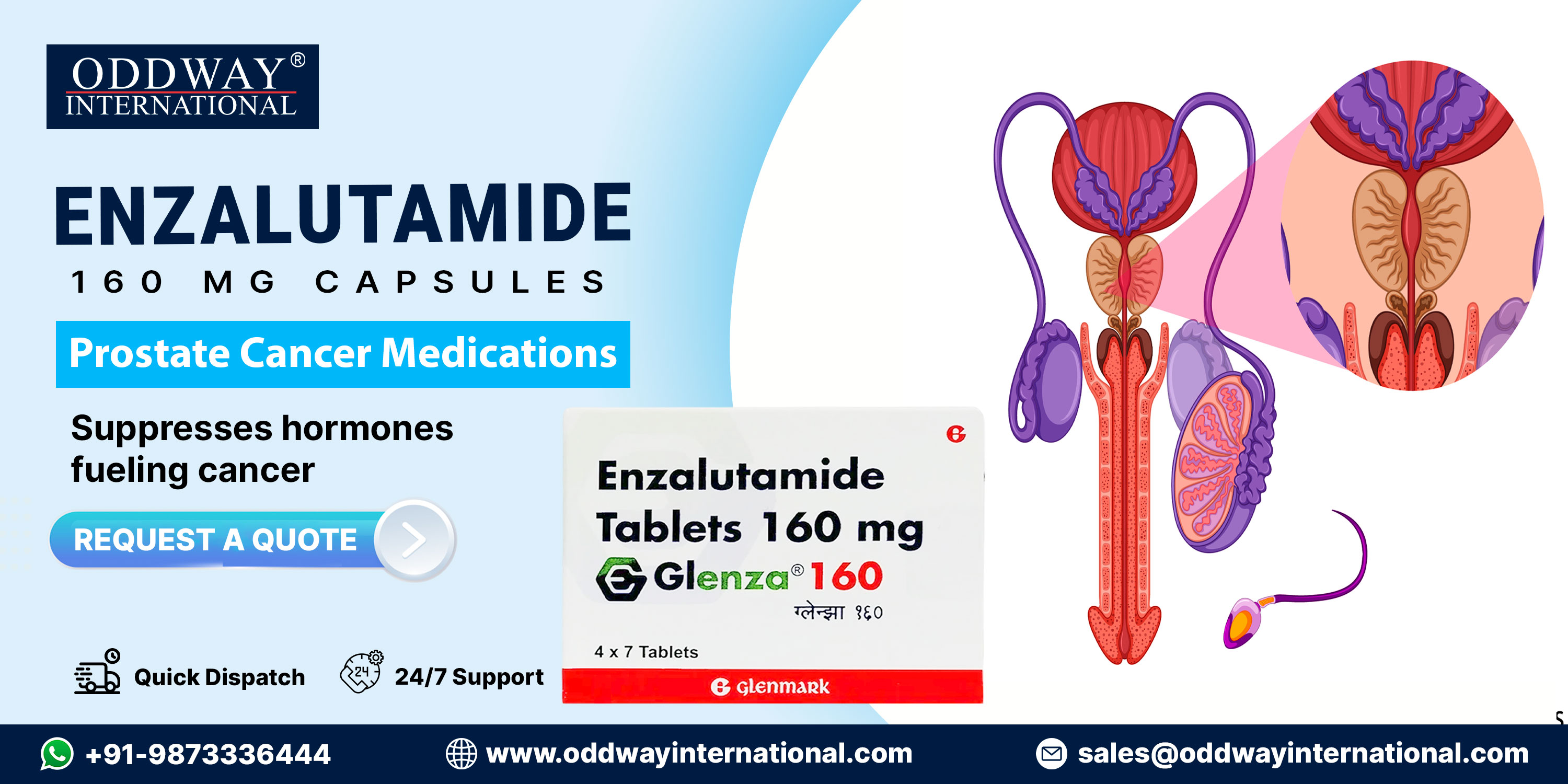
Prostate cancer cells grow in response to male hormones, particularly testosterone. Hormone therapy works by reducing testosterone levels or blocking its effects. This can be accomplished through medications that suppress testosterone production or surgical procedures like orchiectomy (removal of the testes). One such medication is Glenza 80mg Capsule, which contains the active ingredient Enzalutamide. It blocks the androgen receptor, preventing testosterone from fueling cancer growth. Hormone therapy, including treatments, can effectively manage the progression of prostate cancer, though it may cause adverse effects such as fatigue, hot flashes, and sexual dysfunction.
2. Chemotherapy
Chemotherapy uses medications to destroy cancer cells or stop them from growing. While chemotherapy is often associated with side effects such as nausea, hair loss, and fatigue, it can be effective in shrinking tumours and reducing pain, especially when hormone therapy is no longer working.
3. Immunotherapy
Immunotherapy works by stimulating the body’s immune system to recognise and attack cancer cells. For some patients, immunotherapy can be a game-changer, offering a promising option when other treatments have failed. It is typically used when prostate cancer has become resistant to other forms of treatment.
4. Targeted Therapy
Targeted therapy is a unique form of treatment that concentrates on specific anomalies within cancer cells. It can be more precise than traditional chemotherapy, causing less harm to healthy cells. Targeted therapies are often used when prostate cancer has metastasised and are generally used in combination with other therapies.
5. Radiation Therapy
Radiation therapy is usually used to treat prostate cancer that has advanced to the bones or other parts of the body. It can help to reduce pain, shrink tumours, and improve quality of life. External beam radiation and internal radiation (brachytherapy) are the two major types of radiation therapy used in prostate cancer treatment.
6. Clinical Trials
Clinical trials present the opportunity to receive the most advanced treatments that are not yet widely available. These trials investigate new medications, therapies, and combinations of treatments. For patients with advanced prostate cancer, participating in a clinical trial might provide access to promising new options.
How do you manage the side effects of advanced prostate cancer?
Managing side effects during advanced prostate cancer treatment is key to maintaining quality of life. Here are some strategies:
- Fatigue: Rest, light exercise, and short naps can help boost energy.
- Nausea: Anti-nausea medication, small frequent meals, and avoiding spicy or greasy foods can reduce discomfort.
- Loss of Appetite: Small, nutrient-dense meals and high-protein shakes can help. Consult a nutritionist if needed.
- Sexual Function Changes: Open communication with your healthcare provider, medications, or counselling can address issues like erectile dysfunction.
- Emotional Support: Therapy, counselling, and support groups can help manage stress and anxiety.
- Bone Pain: Pain relievers, bisphosphonates, and radiation therapy can ease discomfort.
What to expect during treatment of advanced prostate cancer?
The treatment process for advanced prostate cancer is not without its challenges, but there is hope. With each treatment option, patients can expect a balance of both positive outcomes and potential side effects. Here’s what you can generally expect during the treatment journey:
1. Frequent Monitoring and Testing
As treatment progresses, doctors will regularly monitor the patient's condition through blood tests, imaging scans, and physical exams. This helps to track the cancer’s response to treatment and detect any changes in the disease. Regular testing is critical for adjusting treatment plans as needed and ensuring the patient receives the most effective care possible.
2. Adjusting to Lifestyle Changes
In addition to managing physical symptoms, patients will need to adjust to certain lifestyle changes during treatment. This may include dietary modifications, exercise routines, or alterations to daily activities. It is necessary to stay active, maintain a healthy diet, and follow medical advice to support overall well-being during this time.
3. A Focus on Quality of Life
At the advanced stage, the focus of treatment often shifts toward improving quality of life. This includes managing pain, maintaining energy levels, and addressing any emotional or psychological concerns. Support from healthcare teams, including oncologists, nurses, and mental health professionals, plays a pivotal role in assuring the patient’s comfort and mental health.
Wrapping up
Treatment for advanced prostate cancer is a highly personalised journey that involves a combination of therapies tailored to the exact requirements of the patient. Although the process may seem daunting, advancements in treatment have provided new hope for many individuals with advanced prostate cancer.
By understanding what to expect during this process, patients and their loved ones can make knowledgeable decisions, manage expectations, and maintain a sense of control over their treatment journey.