


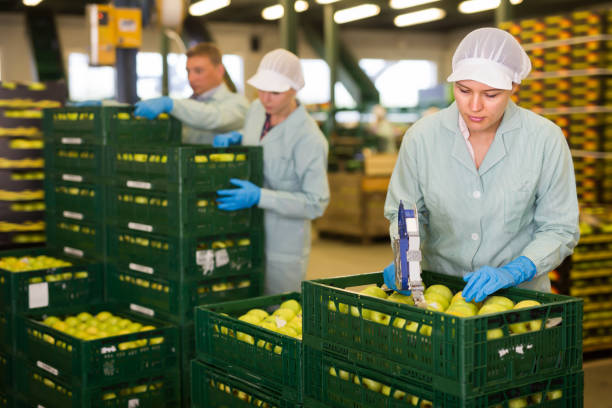
In the food industry, regulatory compliance is a cornerstone of operational success and public trust. Compliance ensures that food products meet safety standards, protecting consumers from potential health risks while safeguarding the reputation of food businesses. For food industry professionals and compliance officers, understanding and adhering to these regulations is not just a legal necessity but a critical component of business integrity and sustainability.
The Importance of Robust Food Inspection Systems
Food inspection systems are designed to ensure that food products are safe, wholesome, and accurately labeled. Robust inspection systems are vital for several reasons:
Consumer Safety: Ensuring that food products are free from contaminants, pathogens, and harmful substances.
Legal Compliance: Meeting local, national, and international regulatory requirements to avoid penalties and legal action.
Quality Assurance: Maintaining high standards of product quality to build consumer trust and brand loyalty.
Market Access: Complying with export requirements to access global markets.
Navigating the Complexities of Compliance Standards
Compliance standards in the food industry can be intricate, involving multiple regulatory bodies and guidelines. Key areas of focus include:
Hazard Analysis and Critical Control Points (HACCP): A systematic preventive approach to food safety from biological, chemical, and physical hazards.
Good Manufacturing Practices (GMP): Guidelines that provide minimum requirements for the methods, equipment, facilities, and controls used in producing processed food.
Food Safety Modernization Act (FSMA): Aims to ensure the U.S. food supply is safe by shifting the focus from responding to contamination to preventing it.
International Standards: Such as ISO 22000, which integrates principles of the HACCP system and application steps developed by the Codex Alimentarius Commission.
The Role of Technology in Streamlining Compliance Operations
Technology plays a pivotal role in modernizing compliance operations within the food industry. Key technological advancements include:
Automated Inspection Systems: Leveraging AI and machine learning to conduct thorough inspections with greater accuracy and speed.
Blockchain for Traceability: Implementing blockchain technology to create transparent and immutable records of the food supply chain, enhancing traceability and accountability.
IoT Devices: Using Internet of Things (IoT) devices to monitor conditions such as temperature and humidity in real-time, ensuring compliance with storage and transportation standards.
Compliance Software: Deploying specialized software solutions to manage documentation, training, audits, and reporting, making it easier to maintain and demonstrate compliance.
Future Trends and Challenges in Food Safety
As the food industry continues to evolve, several trends and challenges are anticipated:
Increased Regulatory Scrutiny: With rising consumer awareness and demand for food safety, regulatory bodies may impose stricter standards and more frequent inspections.
Global Supply Chain Complexities: Navigating the complexities of international trade and ensuring compliance across diverse regulatory landscapes remains a significant challenge.
Adoption of Advanced Technologies: Continued integration of advanced technologies such as AI, blockchain, and IoT will be crucial in enhancing compliance and safety measures.
Sustainability and Ethical Practices: As sustainability becomes a key concern, regulatory frameworks may increasingly focus on environmentally friendly and ethically responsible practices.
Conclusion
Navigating the regulatory compliance landscape in the food industry requires a proactive approach, robust inspection systems, and the strategic use of technology. By understanding and adhering to compliance standards, food industry professionals and compliance officers can ensure the safety and quality of food products, protect consumer health, and maintain the integrity and reputation of their businesses. As the industry evolves, staying informed about emerging trends and challenges will be essential in continuing to meet and exceed regulatory requirements.


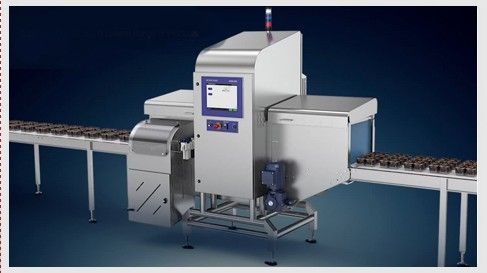
UpMarketResearch offers a latest published report on “Global X-ray Inspection Systems in Food Market Industry Analysis and Forecast 2018-2025” delivering key insights and providing a competitive advantage to clients through a detailed report.
Get FREE Exclusive PDF Sample Copy of This Report @ https://www.upmarketresearch.com/home/requested_sample/23896X-ray Inspection Systems in Food market research report delivers a close watch on leading competitors with strategic analysis, micro and macro market trend and scenarios, pricing analysis and a holistic overview of the market situations in the forecast period.
Further, key players, major collaborations, merger & acquisitions along with trending innovation and business policies are reviewed in the report.
The report contains basic, secondary and advanced information pertaining to the X-ray Inspection Systems in Food status and trend, market size, share, growth, trends analysis, segment and forecasts from 2018 - 2023.
The numerical data is backed up by statistical tools such as SWOT analysis, BCG matrix, SCOT analysis, PESTLE analysis and so on.
The statistics are represented in graphical format for a clear understanding on facts and figures.The generated report is firmly based on primary research, interviews with top executives, news sources and information insiders.