Engines are the heart and soul of many machines, from everyday vehicles to complex industrial machinery. With the constant need for efficiency and durability, the components that make up these engines must be top-tier, ready to withstand intense conditions. One such component that is often underestimated yet plays a crucial role is the rubber coated timing belt.
But what makes this seemingly simple part so important? The main purpose of a timing belt is to synchronize the crankshaft and camshaft rotation, guaranteeing that the engine's valves open and close at the appropriate intervals throughout each cylinder’s intake and exhaust strokes. The orchestrator is in charge of making sure everything is in tune. Over time, though, standard timing belts can experience wear and tear, affecting engine performance. That’s where the rubber coated timing belt steps in, offering longevity, efficiency, and reliability.
Understanding the Basics: What is a Rubber Coated Timing Belt?
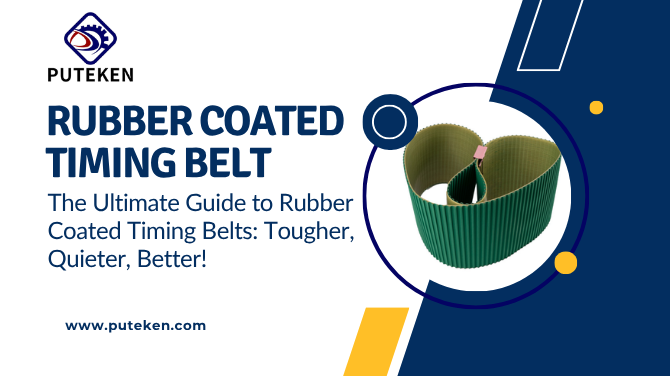
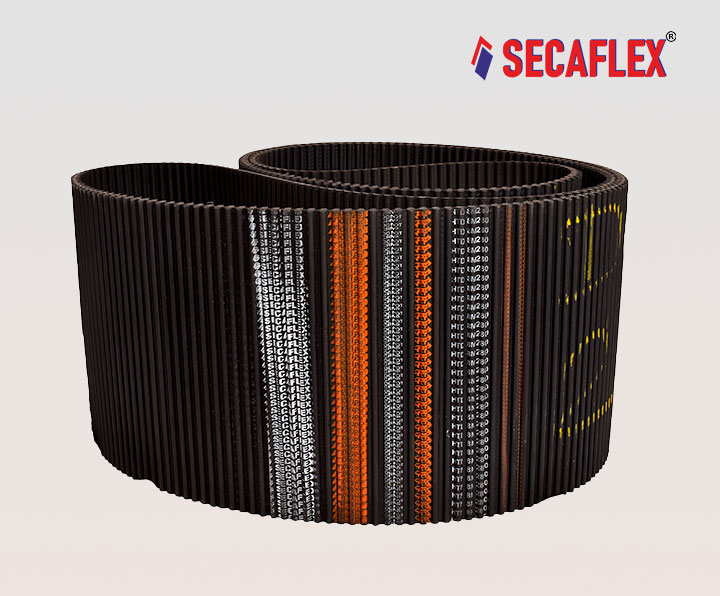
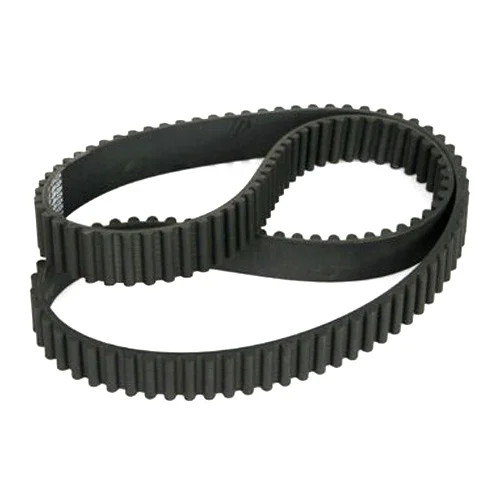
The timing belt is a reinforced rubber component that joins the crankshaft and camshaft of an internal combustion engine. It is typically made of rubber, polyester, and fiberglass, ensuring it can handle high levels of heat and pressure. However, a layer of specialist rubber coatings improves a rubber-coated timing belt even more. This extra layer not only improves the belt’s durability but also offers better performance under harsh conditions.
The Key Advantages of Rubber Coated Timing Belts
Performance and durability are unavoidable when it comes to engine parts. Rubber coated timing belts are designed to address common issues such as heat resistance, wear and tear, and noise reduction. Let’s explore the key benefits:
1. Increased Durability
Rubber-coated timing belts last longer than non-rubber-coated ones. The rubber coating helps reduce friction and wear on the belt, increasing its lifespan and reducing the need for frequent replacements. This is especially beneficial for machines and vehicles that endure heavy use, saving both time and money in the long run.
2. Enhanced Heat Resistance
Engines generate a significant amount of heat, which can cause parts to degrade over time. The rubber coating on the timing belt provides superior heat resistance, allowing it to maintain its integrity even under high-temperature conditions. This ensures that the timing belt continues to perform optimally, preventing engine failure due to overheating.
3. Noise Reduction
One of the most noticeable benefits of rubber coated timing belts is the reduction in engine noise. The added rubber layer absorbs vibrations, resulting in a quieter operation. For automotive manufacturers, this means providing a smoother, more comfortable driving experience for customers.
4. Improved Performance in Harsh Conditions
Whether it’s extreme temperatures, high humidity, or exposure to various chemicals, rubber coated timing belts can withstand the toughest environments. This makes them ideal for use in machinery and vehicles that operate in adverse conditions, ensuring that performance remains consistent regardless of external factors.
Why Are Rubber-Coated Timing Belts Becoming More and More Popular?
In the past, timing belts were often made of plain rubber, but technological advancements have introduced the rubber coated version. As industries demand more reliable, durable, and efficient components, manufacturers have turned to rubber coated timing belts to meet these growing needs. The advantages of these enhanced belts make them a natural choice for industries looking to reduce maintenance costs, improve engine efficiency, and extend the lifespan of their equipment.
The Role of Rubber Coated Timing Belts in Automotive Engines
The timing belt in automobile engines is essential for keeping the crankshaft and camshaft in rhythm.Serious engine damage could arise from a timing belt failure, requiring thousands of dollars in repairs. With a rubber coated timing belt, however, the risk of failure is significantly reduced. These belts offer:
- A stronger resistance to wear and heat, which lowers the chance of an early failure.
- Smoother operation, which can improve overall engine efficiency.
- A longer service life, which reduces downtime and the need for replacements.
In short, the rubber coating adds a level of reliability that standard timing belts simply can’t match.
Rubber Coated Timing Belts in Industrial Applications
It's not just automotive engines that benefit from the durability of rubber coated timing belts; industrial machines do as well. Whether in manufacturing plants, power stations, or construction sites, heavy machinery requires components that can withstand harsh conditions. Rubber coated timing belts provide:
- Reduced maintenance: Fewer repairs and replacements mean that machines stay operational for longer periods.
- Increased efficiency: With less friction and wear, rubber coated timing belts contribute to the overall efficiency of the machine.
- Improved safety: A well-maintained belt reduces the likelihood of sudden failures that could lead to accidents or downtime.
How Rubber Coated Timing Belts Are Revolutionizing Industries?
The rubber coated timing belt is more than just an upgrade to the traditional timing belt—it’s a revolution. By offering enhanced durability, heat resistance, and efficiency, these belts are transforming the automotive and industrial sectors.
Automotive manufacturers are able to offer vehicles with longer lifespans and less frequent maintenance, while industrial machinery can run smoother and more efficiently, contributing to greater productivity. The benefits are clear, and the growing demand for these belts reflects their essential role in modern engineering.
What Sets Shanghai Puteken Transmission System Co., Ltd. Apart?
As a leading supplier in the industry, Shanghai Puteken Transmission System Co., Ltd. is at the forefront of rubber coated timing belt innovation. The company’s commitment to quality, precision, and reliability has made them a trusted name in the market. With a focus on meeting the evolving needs of both the automotive and industrial sectors, Shanghai Puteken is proud to offer high-performance rubber coated timing belts that help clients extend the lifespan and efficiency of their engines and machinery.
The rubber coated timing belt is the unsung hero of engine longevity and performance. Its ability to withstand heat, reduce wear, and improve overall efficiency makes it a game-changer for both automotive and industrial engines. As industries continue to push for better, more durable components, rubber coated timing belts will undoubtedly play a key role in shaping the future of engine technology.
FAQs
1. What is the difference between a regular timing belt and a rubber coated timing belt?
A rubber coated timing belt has an additional layer of rubber that provides extra durability, heat resistance, and reduced friction, making it more reliable and longer-lasting than a regular timing belt.
2. Can rubber coated timing belts be used in all types of engines?
Yes, rubber coated timing belts are versatile and can be used in a wide range of engines, including automotive, industrial, and machinery engines.
3. How often should a rubber coated timing belt be replaced?
While rubber coated timing belts last longer than traditional belts, they still need to be replaced periodically based on the manufacturer’s recommendations or if signs of wear are present.
4. Do rubber coated timing belts make engines run quieter?
Yes, the rubber coating helps absorb vibrations, leading to a smoother and quieter engine operation.
5. Are rubber coated timing belts more expensive than regular timing belts?
While they may have a slightly higher upfront cost, the longer lifespan and reduced maintenance requirements of rubber coated timing belts make them a more cost-effective choice in the long run.