In the fast-paced world of industrial automation and high-performance machinery, precision and reliability are paramount. While countless components work in unison to keep high-speed equipment running smoothly, there's one unsung hero that often goes unnoticed: the Rubber Coated Timing Belt. Often overshadowed by visible mechanical parts, this critical component plays an indispensable role in ensuring synchronized operations within a wide range of machines—everything from automated packaging systems and high-speed printers to textile machines and robotics.
What is a Rubber Coated Timing Belt?
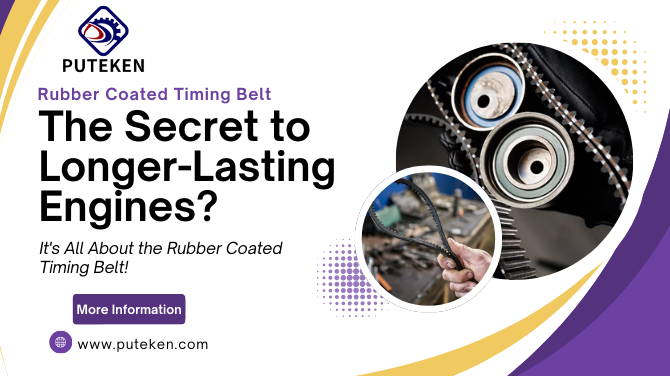
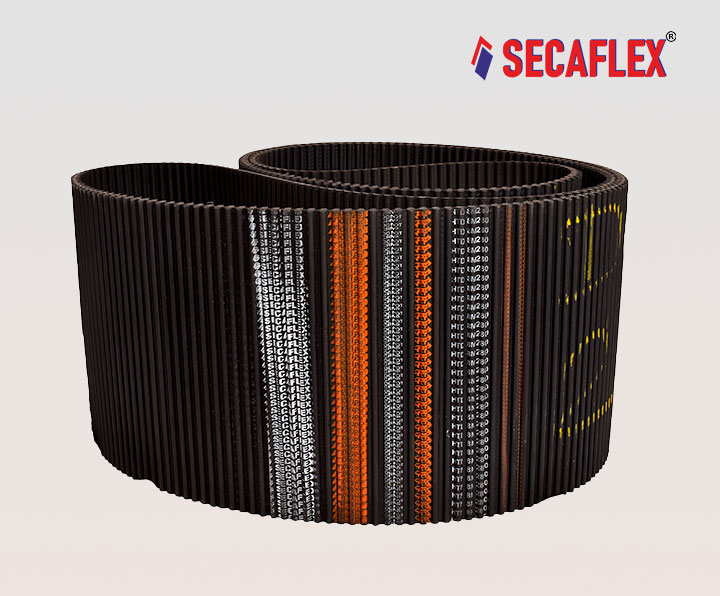
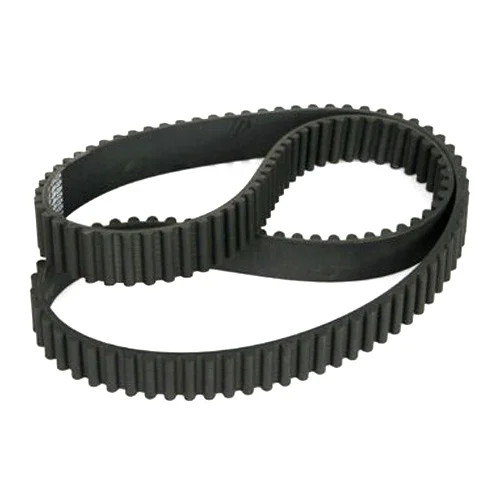
A Rubber Coated Timing Belt is a specialized synchronous belt equipped with a precision-toothed structure on its inner surface and a high-friction rubber coating on its outer surface. This unique dual-layer construction allows it to handle the transmission of torque without the typical slippage issues seen in traditional flat or round belts.
The teeth of the belt engage with mating pulleys to provide synchronous motion, meaning drive and driven shafts maintain precise relative positions at all times. Meanwhile, the rubber coating serves multiple functions: it increases grip for conveyed materials, dampens noise and vibration, and adds a layer of protection against abrasive forces.
Why Rubber Coated Timing Belts Matter in High-Speed Applications?
As industries drive toward higher performance and tighter tolerances, every aspect of a machine's operation must align perfectly—and timing belts are at the core of that. A Rubber Coated Timing Belt brings the following core advantages in these high-pressure environments:
- Friction-Enhanced Surface
- Shock and Vibration Damping
- Abrasion Resistance
- Noise Reduction
- Load Distribution
Whether you're working with a multi-axis robotic arm or an automated packaging conveyor, implementing high-grade timing belts can mean the difference between smooth operations and costly downtimes.
Top Benefits of Using Rubber Coated Timing Belts
1. Precision Synchronization
Timing belts are known for their ability to lock rotational positioning between pulleys without slippage—but rubber coated timing belts take this one step further. The added grip on the surface enhances overall machine harmony by reducing the chances of micro-movements or jitter that deteriorate over time.
This precision is essential for:
- CNC Machinery
- Printing Presses
- Pick-and-Place Robots
Even the slightest misalignment can cost thousands in these applications.
2. Superior Grip for Conveying Applications
Traditional timing belts lack surface friction, which makes them less suitable for conveying sensitive materials. However, the rubber-coated surface on these belts dramatically increases friction, enabling them to grip and move materials with increased stability, especially important in:
- Parcel handling
- Light-duty conveying lines
- Automated assembly lines
You get all the benefits of precise timing with the added advantage of safe, efficient material transport.
3. Reduced Slippage in High-Speed Settings
Speed increases the risk of slippage, especially when dealing with lightweight or unbalanced loads. Thanks to the surface coating and toothed engagement, rubber coated timing belts operate flawlessly at high velocities without losing torque or alignment.
At Shanghai Puteken, our belts are tested to maintain synchronous operation even under PEAK loads exceeding 10,000 RPM.
4. Noise & Vibration Damping
High-speed machinery typically generates mechanical vibration and structure-borne noise. Not only is this disruptive in factory environments, but it can also prematurely wear down components. The rubber layer on our timing belts functions as a built-in damper, which absorbs micro-vibrations and reduces machine noise levels dramatically.
5. Longer Operational Life
The synergy of strength and flexibility offered by the inner reinforcement (typically fiberglass or steel cords) combined with the abrasion-resistant rubber outer layer, increases the service life of the timing belt. The reduced need for tensioning adjustments and minimal wear extends the belt’s usable cycle.
The use cases for rubber coated timing belts go far beyond simple motion systems. Some key applications include:
1. Packaging Machinery
- Ensures accurate product positioning
- Delivers smooth handling of cartons, pouches
2. Textile Machinery
- Provides stabilized threadguiding
- Maintains tension and alignment under high-speed weaving
3. Printing Equipment
- Maintains print registration accuracy
- Reduces vibration for cleaner print outputs
4. Robotics and Automation
- Enables precise actuator motions
- Reduces wear in robotic joints
5. Conveyor Systems
- Acts as a hybrid conveyor-timing solution
- Offers synchronous movement with surface grip
Material Construction: What Makes Them So Durable?
The structure of a high-quality Rubber Coated Timing Belt includes:
- Toothed Core: Made from neoprene or polyurethane to resist wear and environmental conditions.
- Tensile Cords: Usually glass fiber, steel, or Kevlar for strength and durability.
- Outer Rubber Coating: Can vary in hardness and texture, tailored for specific grip and damping needs.
At Shanghai Puteken, our belts go through comprehensive material testing and simulation modeling to ensure maximum performance for demanding environments.
In today’s manufacturing environment, every second and every millimeter matters. Machine reliability, product consistency, and production speed contribute directly to your bottom line. While traditional systems still dominate in some factories, the tide is shifting toward intelligent, adaptable, and high-precision solutions.
Frequently Asked Questions
Q1: What is the ideal operating temperature range for rubber coated timing belts?
A: Generally, they operate efficiently between -20°C to +100°C. However, specialized coatings can handle even more extreme environments. Custom solutions are available upon request at Shanghai Puteken.
Q2: Can rubber coated timing belts be used in contaminated environments (oil, dust)?
A: Yes. The rubber surface can be formulated for oil resistance and anti-static behavior. Sealed-edge designs also help reduce contamination ingress.
Q3: How often should these belts be maintained or replaced?
A: Under normal high-speed conditions, these belts may last 15,000–30,000 operating hours. Regular inspections every 3–6 months are recommended to check for wear, tension, and alignment.
Q4: Are timing belts louder than chain drives?
A: Quite the opposite. Chain drives are typically louder and require more maintenance. Rubber coated timing belts not only reduce noise levels but also eliminate the need for lubrication.
Q5: Can I retrofit my existing pulley system with a rubber coated timing belt?
A: Yes, in most cases. Ensure the pitch and profile of the pulleys are compatible. If in doubt, contact our engineers at Shanghai Puteken Transmission System Co., Ltd. for a system compatibility assessment.
Q6: What’s the lead time for custom orders?
A: For customized belt solutions, lead time usually ranges between 7–14 days depending on complexity and material availability. Stock belts are ready for immediate shipment.