


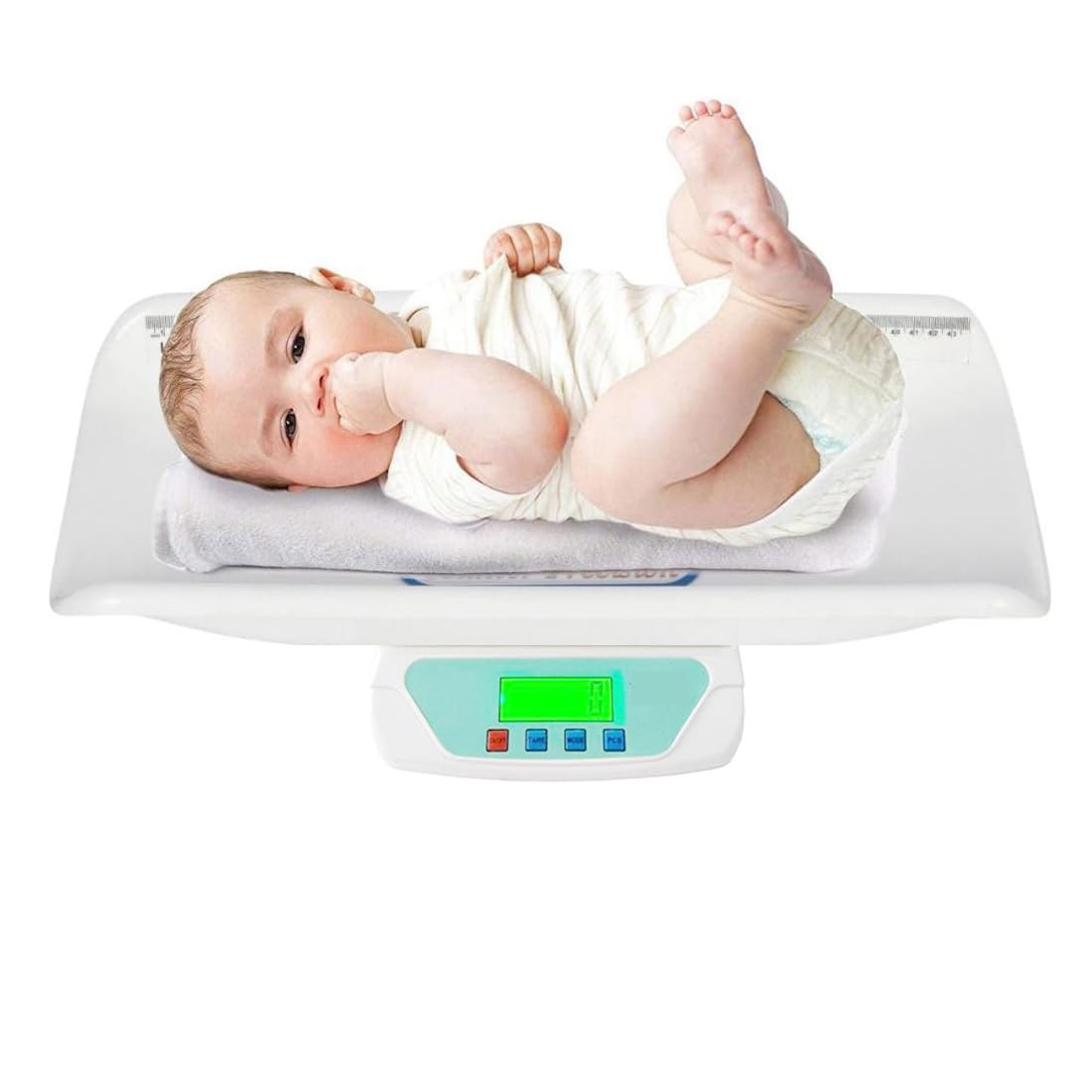
Monitoring your baby's growth is an essential part of
parenting. From the day your newborn arrives, every gram matters. Regular weight checks help ensure your little one is thriving, feeding well, and hitting developmental milestones. While paediatric visits provide professional assessments, many parents are choosing to invest in baby scales for home use for added peace of mind.
However, with so many options on the market, how do you choose the right baby scale for your needs?
Why You Might Need a Baby Scale at Home
While it's not a necessity for every family, a baby scale can be a valuable tool in specific situations, such as:
Premature babies or low birth weight: Regular monitoring can track progress between checkups.
Breastfeeding concerns: Parents can measure before-and-after feeding weights to estimate milk intake.
Medical conditions: For babies with health concerns that require close weight monitoring.
Peace of mind: For new parents who want to keep an eye on growth without frequent clinic visits.
Having a baby scale at home can reduce anxiety and help parents respond quickly to any concerning trends.
Types of Baby Scales
There are a few main types of baby scales, each with unique features suited for different needs:
1. Digital Baby Scales
These are the most common for home use. They offer accurate digital readouts, usually to the nearest 5 or 10 grams. Some even have features like memory storage and growth tracking.
Pros:
High accuracy
Easy to read
Often lightweight and portable
Cons:
Requires batteries
Can be sensitive to movement
2. Convertible Baby and Toddler Scales
These scales evolve with your child. They typically include a removable baby tray that converts into a toddler scale as your child grows.
Pros:
Long-term value
Good for growing families
Cons:
Usually larger in size
May cost more initially
3. Mechanical Baby Scales
These use a spring mechanism and a dial to show weight.
Pros:
No batteries required
Durable
Cons:
Less accurate than digital options
Harder to read small weight changes
Key Features to Look For
When choosing a baby scale for home use, consider these important features:
1. Accuracy and Sensitivity
The most critical factor is how precise the scale is. Look for a scale that can measure in small increments (ideally 5 grams or less). This is particularly helpful for tracking small weight changes between feeds.
2. Tare Function
This allows you to zero out the weight of a blanket or towel before placing your baby on the scale, ensuring an accurate reading.
3. Hold Function
Babies don’t always stay still! A hold function helps capture a steady weight even if your baby wiggles during the process.
4. Weight Range
Make sure the scale accommodates both your baby's current weight and future growth. A typical baby scale measures up to 20 kg (around 44 lbs), which is sufficient for toddlers as well.
5. Portability and Storage
If you’re limited on space, choose a lightweight, compact model. Foldable or stackable designs are convenient for small homes.
6. Ease of Cleaning
Look for scales with smooth surfaces and removable trays that are easy to wipe down after each use.
7. Power Source
Most digital scales use batteries, but some models offer AC adapter options. Consider your preference for power reliability and convenience.
8. Data Memory and App Connectivity
Some advanced scales can store data, compare past readings, or even sync with mobile apps to help you track growth over time. If you love tech and want detailed insights, this could be a great feature.
Top Tips for Using a Baby Scale at Home
Once you’ve chosen a scale, follow these tips for the most accurate and safe use:
Place the Scale on a Flat, Hard Surface: Soft or uneven flooring (like carpet) can interfere with accuracy.
Weigh at the Same Time Each Day: Consistency helps you track trends rather than daily fluctuations.
Use the Tare Function for Blankets or Towels: Babies are often more comfortable lying on a soft surface.
Make it Part of a Routine: Weighing once a week is generally sufficient unless advised otherwise by a healthcare provider.
Don't Panic Over Small Fluctuations: Minor changes are normal. Look at patterns over time rather than focusing on a single measurement.
Consult Your Paediatrician: Always share any concerns with a healthcare professional, especially if the weight gain seems unusually slow or rapid.
Baby Scale Safety
Never Leave a Baby Unattended on a scale, even for a few seconds.
Use the Safety Features (like curved trays or harnesses, if included).
Avoid Overuse: Weighing your baby too frequently can lead to unnecessary worry. Stick to weekly or biweekly unless otherwise advised.
Popular Brands to Consider
While specific availability varies by region, some trusted names in baby scales include:
A&D Medical: Known for professional-grade accuracy and reliability.
Salter: Offers well-designed digital baby scales with ergonomic trays.
Beurer: German brand with tech-forward models and app support.
Tanita: Offers medical-quality scales for home users.
Health o meter: Popular in hospitals and homes alike.
Be sure to check product reviews, warranty options, and customer support before purchasing.
Final Thoughts
Choosing the right baby scale for home use can make your parenting journey a bit smoother. Whether you're monitoring your newborn’s feeding progress, managing a health condition, or simply curious about your baby's development, the right scale provides reassurance and clarity.
Focus on accuracy, safety, and ease of use. With the right model, you’ll be able to keep an eye on your little one’s growth with confidence—right from the comfort of your home.
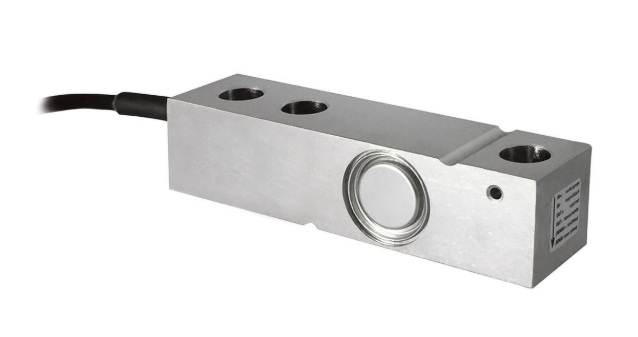
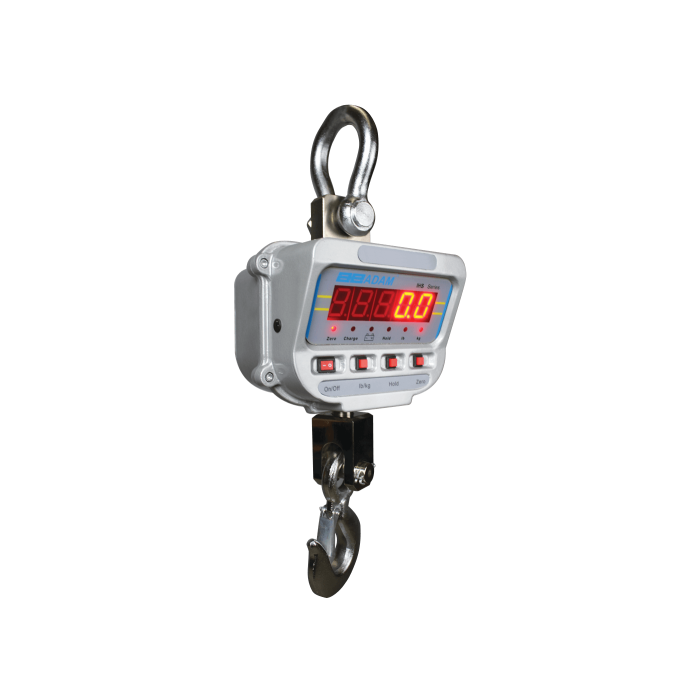


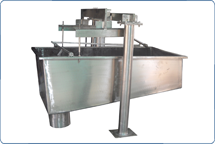
http://www.technomond.in/milk-weighing-scale-system.html - Our Electronic Milk Weighing Scale System Manufacturers has sent a wave across the market.
UP, Delhi, we are counted among the Milk Weighing Scale System Suppliers in India.Industries require special type of scales based on the ambience of weighing, type of weighing to facilitate the ease of handling of weighing material and increase the speed of weighing.
Contech has wide range of special scales like Flameproof Scales for Ammunition factory, weighing of highly explosive chemicals, Waterproof Scales for Aqua Industries, Platform Scales with ramp and roller for ease of loading & unloading of carboy and drums, Milk Weighing Scale System Manufacturers for the milk collection units and dairies.