


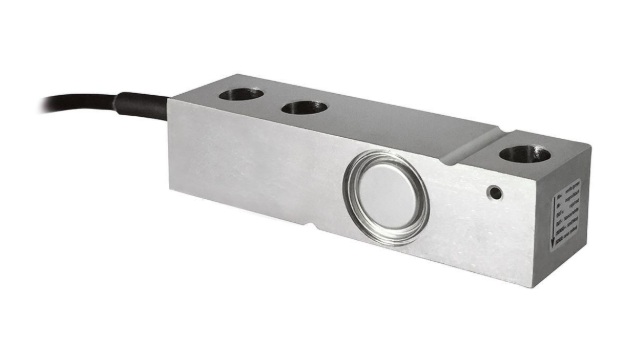
When most people think of load cells, they picture industrial weighing systems or large platform scales in warehouses. While these are certainly common uses, load cells are far more versatile than many realise. These precision sensors, designed to convert force into measurable electrical signals, play a critical role in a wide range of industries—from healthcare to aerospace.
10 surprising and innovative applications of load cells:
1. Smart Beds in Healthcare
Load cells are widely used in advanced hospital beds to monitor patient movement, weight distribution, and occupancy. These “smart beds” help caregivers track patient activity, detect if someone is attempting to leave the bed, and even prevent falls.
They are also used to monitor fluid retention in patients with conditions like heart failure, enabling early intervention without invasive procedures.
2. Aircraft Weight and Balance Systems
In the aviation industry, precise weight distribution is critical for safety. Load cells are integrated into aircraft weighing systems to measure the total weight and ensure proper balance before takeoff.
Ground crews use these systems to verify that cargo and passenger loads are evenly distributed, helping maintain optimal flight performance and fuel efficiency.
3. Industrial Robotics and Automation
Load cells play a vital role in robotics by providing force feedback. In automated manufacturing lines, they ensure that robotic arms apply the correct amount of pressure when assembling delicate components.
This is especially important in industries like electronics and automotive manufacturing, where precision is key to maintaining product quality and avoiding damage.
4. Amusement Park Ride Safety
Safety is paramount in amusement parks, and load cells contribute more than you might expect. They are used to measure the weight of passengers on rides to ensure that safety limits are not exceeded.
Additionally, load cells help monitor structural stress and force during ride operation, ensuring everything functions within safe parameters.
5. Agricultural Equipment Monitoring
In modern agriculture, load cells are used in equipment such as grain silos, feed mixers, and fertiliser spreaders. Farmers rely on these sensors to measure and control the amount of material being processed or distributed.
This improves efficiency, reduces waste, and ensures accurate dosing—particularly important in precision farming practices.
6. Retail Self-Checkout Systems
Ever noticed how self-checkout machines detect when you place an item in the bagging area? That’s thanks to load cells.
These sensors verify that the scanned item matches the expected weight, helping prevent theft and scanning errors. It’s a simple yet highly effective application that enhances retail security and efficiency.
7. Structural Health Monitoring
Load cells are used in bridges, buildings, and other infrastructure to monitor stress, tension, and load over time. Engineers use this data to assess structural integrity and detect potential issues before they become serious problems.
This application is especially valuable in areas prone to natural disasters or heavy traffic loads.
8. Fitness and Sports Equipment
From high-tech gym machines to professional sports training tools, load cells are increasingly used to measure force, weight, and performance.
For example, they are integrated into smart weightlifting platforms to track lifting force and balance, helping athletes improve technique and reduce injury risk.
9. Aerospace Testing and Research
Beyond aircraft weighing, load cells are extensively used in aerospace testing environments. Engineers use them to measure thrust, drag, and structural forces during the development of aircraft and spacecraft.
These measurements are crucial for ensuring that components can withstand extreme conditions, such as high speeds and pressure changes.
10. Entertainment and Stage Effects
In the entertainment industry, load cells are used behind the scenes in stage productions, concerts, and film sets. They help monitor the weight and balance of suspended equipment, lighting rigs, and moving platforms.
This ensures the safety of performers and crew while enabling complex stage effects to be executed smoothly and reliably.
Why These Applications Matter
The versatility of load cells lies in their ability to provide precise, real-time force measurement across a wide range of environments. Whether it’s ensuring patient safety in hospitals, improving efficiency in agriculture, or enabling cutting-edge aerospace research, load cells are quietly powering innovation behind the scenes.
As technology continues to evolve, the demand for accurate and reliable measurement systems will only grow. Load cells will remain at the heart of this progress, finding new and unexpected applications across industries.
Final Thoughts
Load cells are far more than simple weighing devices—they are critical components in systems that require precision, safety, and efficiency. From everyday retail experiences to highly specialised aerospace testing, their applications are both diverse and impactful.
Understanding these lesser-known uses not only highlights their importance but also opens the door to new possibilities for businesses and industries looking to innovate.
If you're considering integrating load cells into your operations, exploring these unique applications might just inspire your next solution.
Get more information on different types of load cells - https://ablescale.com.au/industrial-scales/load-cells.html

The load monitoring system market is estimated to be USD 2.6 billion in 2018 and is expected to reach USD 3.3 billion by 2024, at a CAGR of 4.0% during the forecast period.
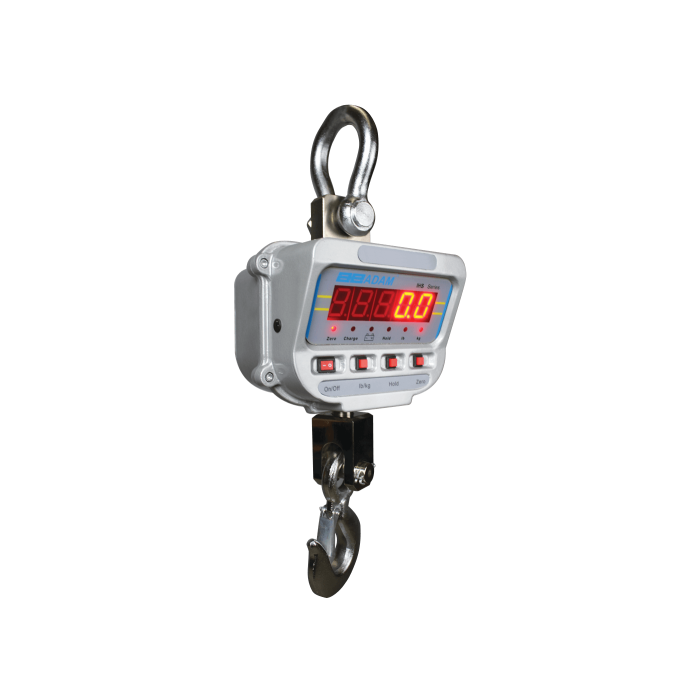
Load monitoring system is a combination of load cells, load indicators and controllers, and data logging software.
Load monitoring system is based on analog or digital technology and used in various industries such as automotive, marine, food & beverages, agriculture, healthcare, aerospace, construction, and oil & gas.
Rise in demand for load monitoring system in healthcare, increase in use of load monitoring system for testing and monitoring aircraft parts, decline in instrumental errors owing to technological innovations in load cells, and increase in demand for remote load monitoring are the major factors driving the growth of the market.The market for indicator and controller is expected to grow at the highest CAGR during the forecast period.
The growing adoption of Industrial IoT and automation is expected to increase the demand for load cell indicators and controllers.
Additionally, the critical industrial applications are expected to create growth opportunities for load cell indicators and controllers.Download PDF Brochure @ https://www.marketsandmarkets.com/pdfdownloadNew.asp?id=125476126The digital load monitoring system market is expected to grow at a higher CAGR from 2018 to 2024.
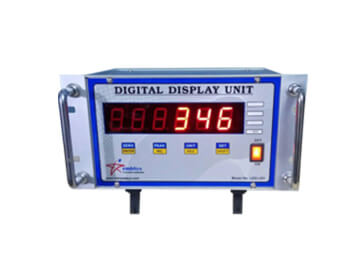
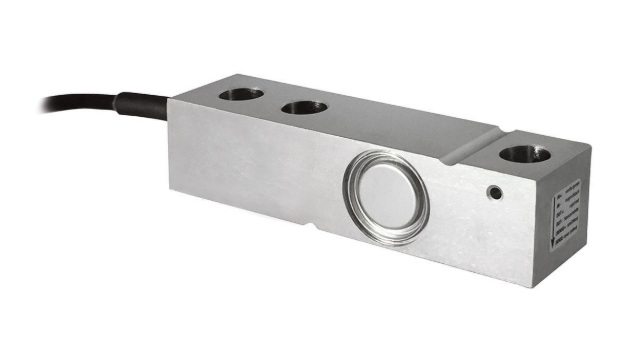
We, Star Embedded System provide you a good range of Calibration load cell.
This is mainly used to measure the weight of System in the factory.These load cells are working as tansducer,transducer are used to convert the force into electric signals.
Besides this these load cells are used in other carious applications.
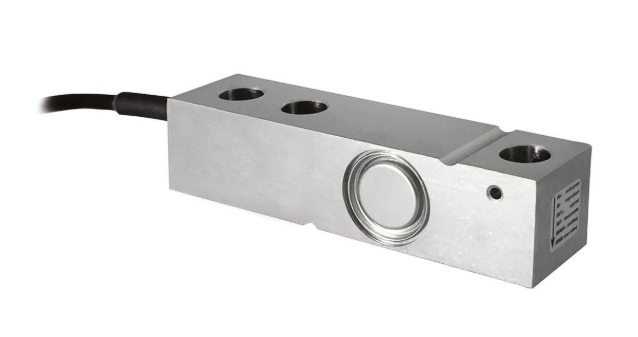
We ,Star Embsys manufacturing calibration cells, which are very accurate at load measurement.
Calibration cells are installed easily.