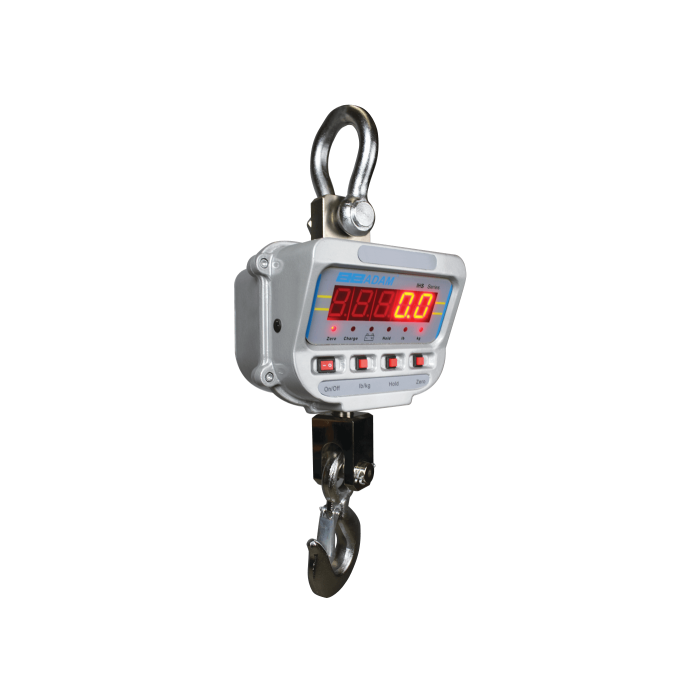
In industries ranging from agriculture to manufacturing to logistics, hanging scales are essential tools for measuring weight quickly and reliably. Whether it’s weighing livestock feed, bulk cargo, sacks of produce, or industrial components, hanging scales provide a practical solution where traditional platform scales aren’t convenient. But behind their rugged simplicity lies fascinating science — a combination of precision engineering, electronic sensing, and calibration techniques designed to ensure accuracy even under demanding conditions.
What Is a Hanging Scale?
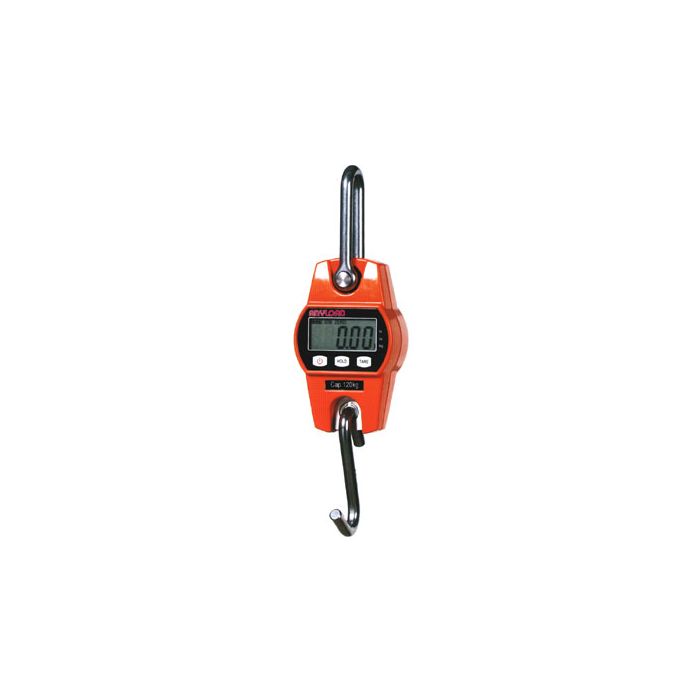
A hanging scale — sometimes called a suspension scale — is a type of balance that measures weight by suspending the load from a hook or similar attachment point. Unlike floor scales, hanging scales rely on gravity’s pull on the object being weighed, which creates a force that sensors detect and convert into a weight reading.
Common applications include:
• Weighing produce and livestock on farms
• Measuring bags and bulk materials in warehouses
• Weighing luggage at airports
• Industrial uses where space is limited
Despite differences in size and capacity, all hanging scales share the same core purpose: transforming a physical force (weight) into a readable measurement.
The Fundamental Physics: Weight, Force, and Gravity
To grasp how a hanging scale measures weight, we must start with the basics of physics.
Weight is a force, not just a number on a display. It’s the result of gravity pulling on an object’s mass. Mathematically:
Weight (W) = Mass (m) × Gravitational Acceleration (g)
This means a 10-kilogram mass experiences roughly 98 newtons of force under Earth’s gravity. Hanging scales don’t measure mass directly — they sense this gravitational force and interpret it as weight.
This force causes mechanical components inside the scale to deform slightly. Sensors then detect these deformations and convert them into electrical signals that computers translate into weight readings.
Load Cells: The Heart of the Scale
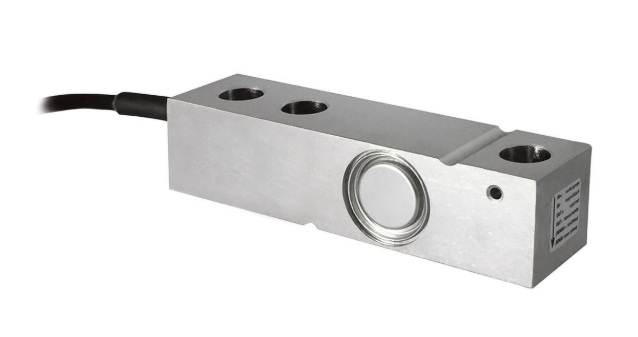
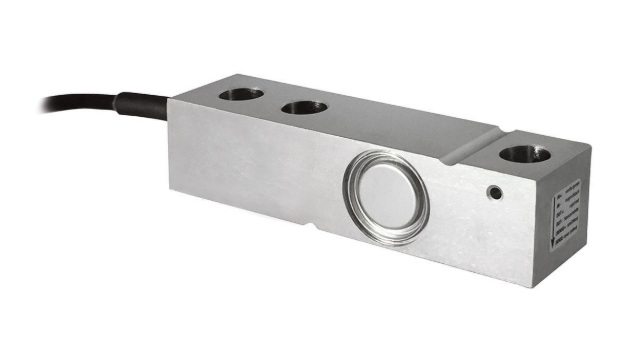
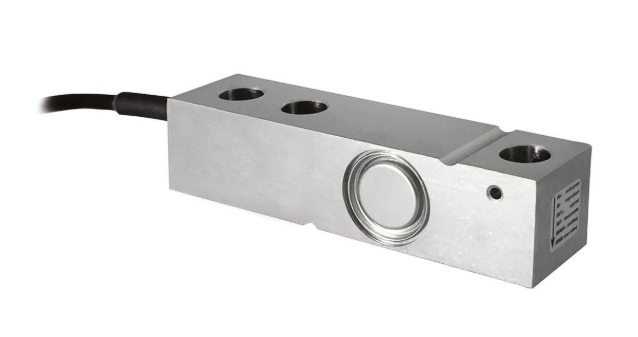
At the core of every modern hanging scale is the load cell — the component responsible for detecting force.
What Is a Load Cell?
A load cell is a type of sensor that converts mechanical force into an electrical signal. When a load is applied — in this case, the weight of the object hanging from the scale — the load cell deforms. Tiny electrical changes resulting from this deformation are precisely measured and processed to produce a weight reading.
There are several types of load cells, but the most common in hanging scales is the strain-gauge load cell.
How Strain-Gauge Load Cells Work
Strain gauges are ultra-thin electrical conductors bonded to a metal component called a flexure. When weight is applied, the flexure bends slightly.
Here’s what happens step by step:
1. Force is Applied: The weight hanging from the scale pulls down.
2. Flexure Deforms: The metal in the load cell flexes — often by just micrometers.
3. Strain Gauges Change Resistance: As the metal flexes, the strain gauges stretch or compress, changing their electrical resistance.
4. Signal Converted: These resistance changes are measured using a Wheatstone bridge circuit — a configuration that accurately detects small differences in resistance.
5. Electronics Read Data: The analog signal from the load cell is amplified and converted to digital form.
6. Display Shows Weight: Finally, the scale’s microprocessor interprets the signal and presents the measurement.
This entire process takes place in fractions of a second and is sensitive enough to register even slight weight changes.
Accuracy and Calibration
Having a quality load cell is only part of the equation — maintaining accuracy depends on precise calibration and environmental considerations.
Why Calibration Matters
Calibration ensures the scale reads correctly at known weight points. During calibration, the scale is tested with certified weights, and internal coefficients are adjusted so that the readings match true weights.
If calibration drifts — due to wear, temperature changes, or mechanical stress — the readings can become inaccurate. Regular calibration checks are essential, especially for commercial or legal weighing applications.
Environmental Effects on Accuracy
Several factors influence the performance of hanging scales:
Temperature
Temperature changes affect load cell materials and electronics. For example, metals expand with heat and contract in cold, altering strain gauge responses. High-end scales often include temperature compensation to minimize these effects.
Vibration and Movement
In environments with excessive vibration (like factories), readings can fluctuate. Advanced models use damping algorithms to stabilize measurements.
Orientation and Mounting
A hanging scale must be correctly mounted so that the load is vertical and centered. Off-center loads can cause uneven stress on the load cell, leading to incorrect readings.
Types of Sensors in Hanging Scales
While strain-gauge load cells dominate the market, some specialized hanging scales use alternative sensing technologies:
Hydraulic Load Cells
Used in heavy-duty industrial applications, these use fluid pressure change as the load increases. They excel where electromagnetic or electrical interference is a concern.
Pneumatic Load Cells
Similar to hydraulic versions, but use air pressure. They are typically found in clean-room environments where electrical sensors are impractical.
Digital MEMS Sensors
Microelectromechanical systems (MEMS) are increasingly common in compact digital hanging scales. These micro-sensors integrate mechanical and electrical elements on a chip, offering excellent precision in a small package.
Digital Electronics: Making Sense of Signals
Once the sensor produces an electrical signal, a chain of electronics turns it into a usable weight display.
Wheatstone Bridge Amplification
The tiny resistance changes from the strain gauges are almost imperceptible. A Wheatstone bridge isolates these differences, allowing the system to detect changes in microvolts.
An instrumentation amplifier strengthens this signal without adding noise. Without amplification, the raw electrical changes would be too weak for accurate measurement.
Analog-to-Digital Conversion (ADC)
After amplification, the analog signal is fed into an ADC chip. The ADC translates the analog voltage into digital data — often at high resolution (e.g., 24-bit), which allows for extremely fine weight increments.
Microprocessor Processing
The microprocessor applies calibration coefficients, temperature compensation, and filtering algorithms. Some digital scales also offer features like:
• Unit conversions
• Tare functions
• Data logging
• Wireless data output
These smart capabilities turn simple force measurements into versatile digital tools.
Improving Accuracy Through Design
Good hanging scales excel in design as much as in sensing technology. Manufacturers optimize several aspects for precision:
Mechanical Design
Careful structuring of hooks, chains, and load paths ensures that force travels through the load cell cleanly, with minimal interference.
Shielding and Dampening
Electrical shielding prevents interference from motors or radio signals. Mechanical dampening minimizes oscillations that cause noisy readings.
High-Quality Components
Premium materials with low creep (slow changes in deformation under constant load) and stable electronics improve long-term accuracy and reliability.
Real-World Applications of Hanging Scales
Understanding the science makes it easier to choose the right hanging scale for your needs.
Agriculture
Farmers use hanging scales to weigh feed, produce, or even livestock. Portable models with rugged construction are ideal for outdoor use.
Industrial Warehouses
Hanging scales help measure heavy or awkward cargo that doesn’t fit on flat platforms.
Shipping & Logistics
Quick, accurate weight checks improve efficiency and reduce freight costs or compliance issues.
Quality Control
Precise weighing helps ensure consistency in packing, manufacturing, and distribution processes.
Conclusion
Hanging scales may seem simple at first glance, but their design embodies a blend of physics, electronics, and mechanical engineering. The core of any accurate hanging scale is the load cell, which translates force into electrical signals. Coupled with advanced electronics, careful calibration, and thoughtful design, these sensors make quick, reliable weighing possible across countless applications.
Whether you’re selecting a hanging scale for industrial use or simply curious about how they work, understanding the science behind them gives you a deeper appreciation for the precision and innovation packed into these essential tools.