


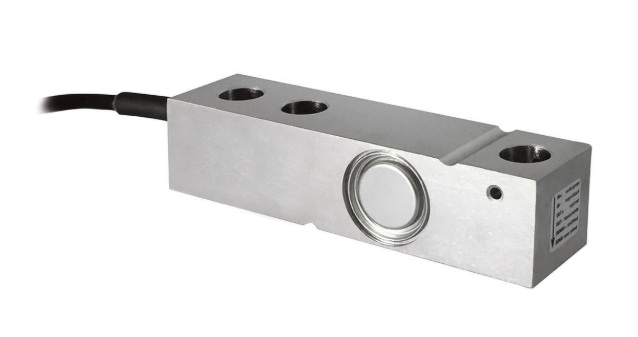
In industries ranging from manufacturing to logistics, accurate force measurement is crucial for ensuring quality, safety, and efficiency. At the heart of this measurement lies a device known as a load cell. Whether weighing massive industrial machinery or delicate laboratory samples, load cells provide the precision and reliability that modern operations demand. But how do they work, and what makes them so integral to accurate force measurement? This article delves into the science behind load cells, their types, and how they convert physical force into measurable electrical signals.
Understanding Load Cells: The Basics
A load cell is a transducer—a device that converts one form of energy into another. Specifically, it converts mechanical force, such as tension, compression, or shear, into an electrical signal that can be measured and interpreted. The electrical output is proportional to the force applied, allowing accurate readings of weight or pressure.
In simple terms, a load cell acts as the “brain” of a weighing system, detecting force and transmitting that information to a digital display or control system. This functionality makes load cells essential in applications like industrial scales, testing machines, and automated process controls.
The Fundamental Principle: Strain and Deformation
Most load cells operate on the principle of strain measurement. When a force is applied to a load cell, its body—typically made of metal such as stainless steel or aluminum—undergoes a small deformation. This deformation is extremely slight, often in the micrometer range, but it is enough to generate measurable changes in strain.
Strain is measured using strain gauges, thin, flexible sensors attached to the load cell. When the load cell deforms, the strain gauges stretch or compress along with the material. This change alters their electrical resistance, which can be detected and converted into a readable signal.
Key Points About Strain-Based Measurement:
• The deformation is elastic, meaning the load cell returns to its original shape when the force is removed.
• The resistance change in the strain gauges is minuscule and requires amplification to be useful.
• The electrical output is directly proportional to the applied force, allowing precise measurement.
How Strain Gauges Work
A strain gauge is essentially a conductive pattern, often made of foil or wire, that is bonded to the surface of the load cell. When the load cell experiences force, the material stretches or compresses, altering the length and cross-sectional area of the strain gauge. This mechanical change affects the gauge’s resistance according to Ohm’s Law, and this change can be measured electronically.
The strain gauges are typically arranged in a Wheatstone bridge configuration, a circuit designed to measure small resistance changes accurately. This setup amplifies the signal and compensates for temperature variations or other environmental influences, ensuring reliable readings.
Types of Load Cells
Load cells come in various designs, each suited to specific applications:
1. Compression Load Cells
Compression load cells are designed to measure forces that push down on the sensor. They are commonly used in weighing systems, such as industrial scales or silo monitoring. These load cells are robust and capable of handling heavy loads with minimal deformation, ensuring consistent accuracy.
2. Tension Load Cells
Tension load cells measure pulling forces. They are often used in applications like crane scales, cable tension monitoring, or material testing, where the force acts in a pulling rather than a pushing manner.
3. Shear Beam Load Cells
Shear beam load cells detect forces applied perpendicular to the cell, causing a shear deformation rather than direct compression or tension. They are widely used in platform scales and tank weighing systems due to their high accuracy and durability.
4. Single-Point Load Cells
Single-point load cells are compact and designed for applications where the load is applied at a specific point. They are commonly found in retail scales, laboratory balances, and smaller industrial applications.
5. S-Type Load Cells
S-type load cells resemble the letter “S” in shape and can measure both tension and compression. Their versatile design makes them ideal for a variety of industrial applications, including hopper weighing and testing machines.
Converting Force to Electrical Signal
The key to load cell operation is the conversion of mechanical force into an electrical signal. This involves several steps:
1. Force Application: The load is applied to the load cell, causing deformation of the body material.
2. Strain Detection: Strain gauges bonded to the load cell surface detect the deformation by changing their resistance.
3. Signal Amplification: The small resistance change is processed through a Wheatstone bridge and amplified to create a measurable voltage output.
4. Signal Interpretation: The voltage signal is then sent to a digital readout, controller, or data acquisition system, which interprets the signal as weight or force.
This process allows operators to obtain precise measurements with minimal error, even in dynamic or high-capacity environments.
Environmental Considerations
Load cells are sensitive instruments, and environmental factors can impact their accuracy. Temperature changes can cause metal components to expand or contract, affecting strain gauge readings. Moisture, dust, and vibration can also interfere with measurement. To mitigate these effects:
• Load cells are often sealed and weatherproofed for harsh environments.
• Some designs include temperature compensation circuits to maintain accuracy across temperature variations.
• Proper installation on stable, vibration-free surfaces ensures reliable operation.
Applications of Load Cells
The versatility of load cells makes them indispensable across industries:
• Industrial Weighing: Measuring raw materials, finished goods, and bulk products in factories and warehouses.
• Material Testing: Evaluating the tensile strength or compressive properties of materials in research labs.
• Aerospace and Automotive: Monitoring structural forces and testing component durability.
• Medical Devices: Precise measurement of force in prosthetics, rehabilitation devices, and laboratory testing.
• Agriculture: Monitoring loads in silos, feed dispensers, and livestock weighing systems.
Advances in Load Cell Technology
Modern load cells have benefited from advances in electronics, materials, and design. Features such as wireless connectivity, digital outputs, and real-time monitoring have enhanced their usability and accuracy. Some load cells now integrate microcontrollers that allow self-calibration, automatic error compensation, and data logging, making them smarter and more efficient for industrial and laboratory applications.
Conclusion: Precision Through Science
Load cells are marvels of engineering that combine physics, electronics, and materials science to measure force with incredible precision. By understanding the science behind load cells, from strain gauge mechanics to signal amplification and environmental compensation, industries can harness accurate, reliable measurements for critical processes. Whether in a laboratory, factory, or industrial scale operation, the load cell remains a cornerstone of modern force measurement technology, enabling efficiency, safety, and innovation across countless applications.
In essence, the next time you step on a scale, lift a machine, or monitor a load in production, remember that the tiny strain gauges inside the load cell are translating invisible forces into precise data—a testament to the power of science and engineering in everyday measurements.
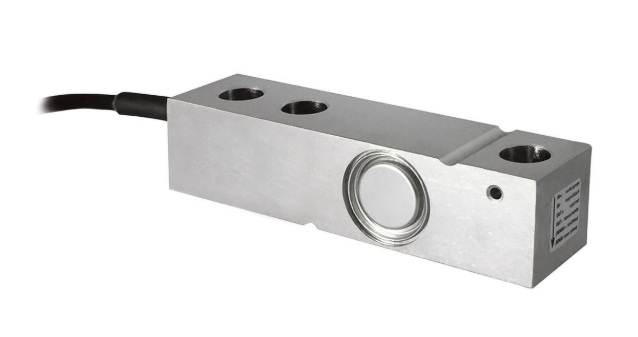
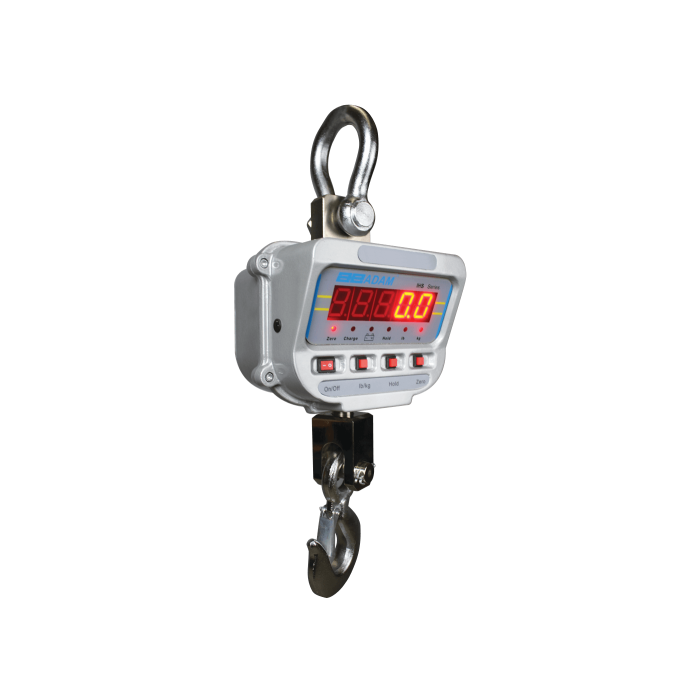
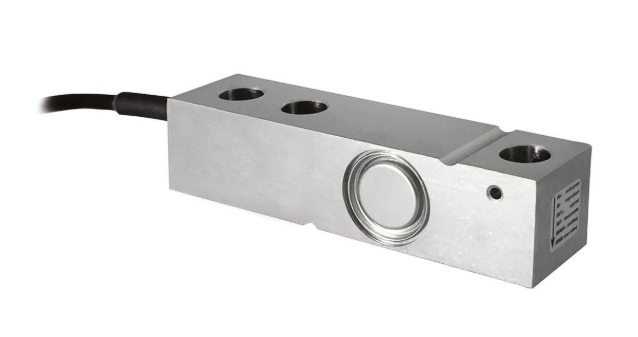


The load monitoring system market is estimated to be USD 2.6 billion in 2018 and is expected to reach USD 3.3 billion by 2024, at a CAGR of 4.0% during the forecast period.
Load monitoring system is a combination of load cells, load indicators and controllers, and data logging software.
Load monitoring system is based on analog or digital technology and used in various industries such as automotive, marine, food & beverages, agriculture, healthcare, aerospace, construction, and oil & gas.
Rise in demand for load monitoring system in healthcare, increase in use of load monitoring system for testing and monitoring aircraft parts, decline in instrumental errors owing to technological innovations in load cells, and increase in demand for remote load monitoring are the major factors driving the growth of the market.The market for indicator and controller is expected to grow at the highest CAGR during the forecast period.
The growing adoption of Industrial IoT and automation is expected to increase the demand for load cell indicators and controllers.
Additionally, the critical industrial applications are expected to create growth opportunities for load cell indicators and controllers.Download PDF Brochure @ https://www.marketsandmarkets.com/pdfdownloadNew.asp?id=125476126The digital load monitoring system market is expected to grow at a higher CAGR from 2018 to 2024.