


Ever feel like your blood sugar is playing tug-of-war with your energy levels? One day you’re fine, and the next, you’re crashing mid-morning or post-lunch. Here's the good news: daily movement can help smooth out those highs and lows. Let’s explore easy, practical exercise routines that support stable blood sugar and fit into real, everyday life.
What type of exercise is best for managing blood sugar?
The most effective approach is a combination of cardio, strength training, and flexibility exercises. Cardio exercises, such as walking, swimming, or cycling, help improve your body's ability to use insulin effectively. Just 30 minutes a day can make a real difference.
Strength training helps build muscle, which uses more glucose. You don’t need a gym; bodyweight exercises like squats, wall push-ups, and resistance bands are effective options to work out at home.
Stretching and yoga lower stress levels, which also plays a role in keeping your blood sugar stable.
How often should you exercise to control sugar levels?
Aim for 150 minutes of moderate exercise every week. That’s about 30 minutes a day, five days a week. Break it into shorter sessions if needed; three 10-minute bursts throughout the day work just as well.
Try walking after meals, especially dinner. Even a 15-minute stroll helps lower post-meal sugar spikes and keeps digestion smooth.
Does morning exercise help in stabilising sugar levels?
Yes, it can. Exercising in the morning may improve insulin sensitivity and help regulate blood sugar numbers throughout the day. A walk before breakfast, a short bike ride, or even a gentle yoga session can help establish a healthy rhythm.
If mornings are tough, pick a time you can stick to. Afternoon or evening sessions are equally beneficial if done regularly.
Can exercise reduce the risk of sugar-related complications?
Regular movement does more than lower sugar levels. It also reduces your risk of heart disease, nerve damage, and kidney issues. Physical activity supports better circulation, mental health, and weight management, all of which are essential for long-term health.
It doesn’t need to be intense. Even dancing while doing chores or gardening counts as an activity. The goal is to stay consistent.
What are some easy daily routines to keep blood sugar stable?
Here’s a sample routine to follow:
- Morning: 10 minutes of light stretching + 15-minute brisk walk
- Afternoon: Take the stairs, do desk exercises or a 10-minute home workout
- Evening: 20-minute walk or a dance session with your favourite songs
Incorporate deep breathing or mindfulness for 5 minutes at night. It helps reduce stress and supports stable overnight blood sugar levels.
No need for fancy equipment or long workouts, just simple, daily movement.
Is it safe to exercise with high blood sugar?
If your sugar is slightly elevated, light movement can help bring it down. However, if your reading is very high (like above 250 mg/dL), pause and check for ketones before exercising. Always listen to your body.
Keep a quick snack nearby, just in case you feel weak or dizzy during workouts.
Should I monitor sugar levels before and after exercise?
Yes. It helps you understand how different workouts affect your numbers. Monitor your blood sugar levels before starting, especially if you’ve had a long gap between meals. Check afterwards to track how your body responded.
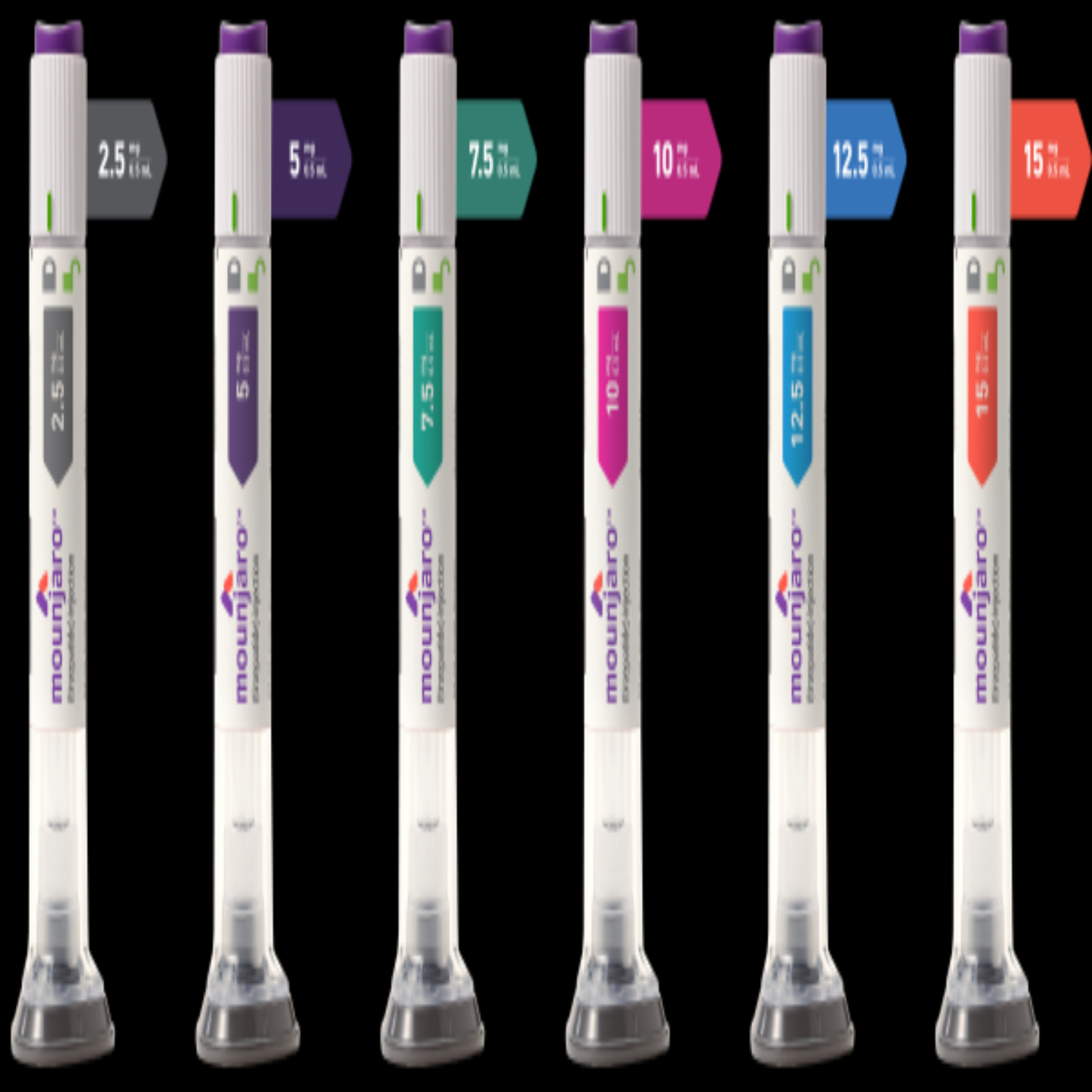
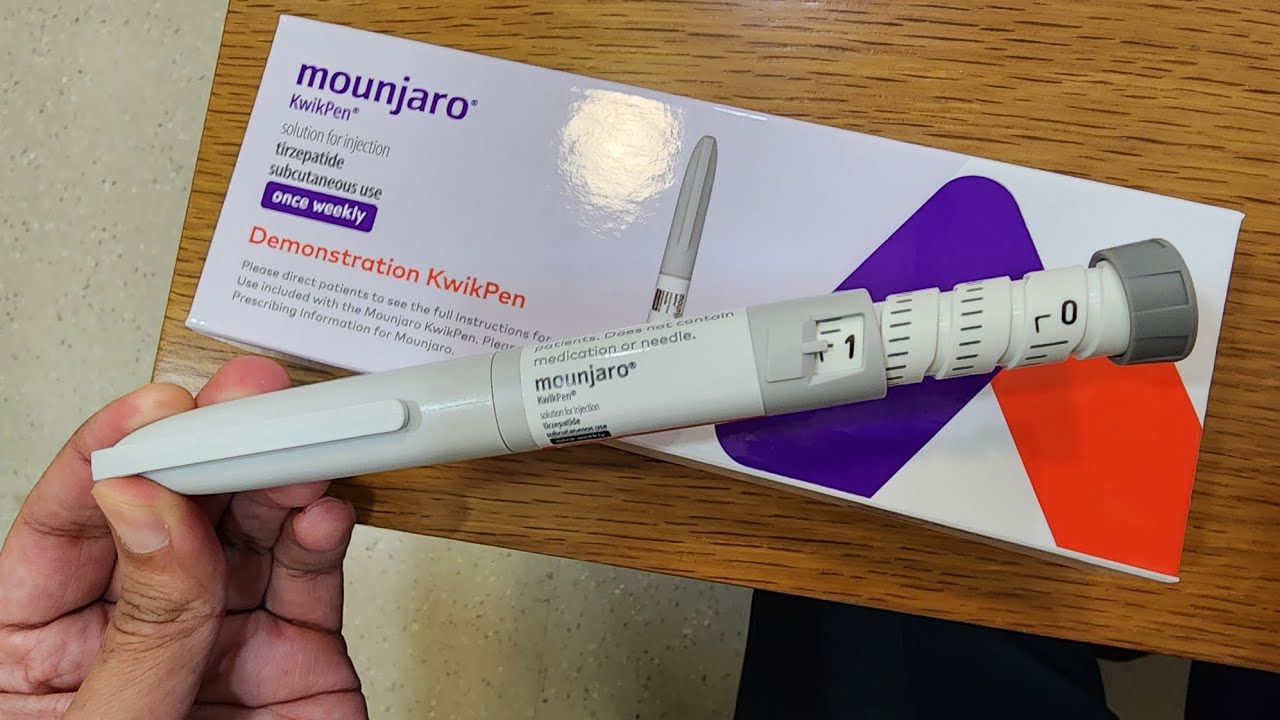
A sugar monitoring patch in India can simplify this process. It gives real-time data and reduces the hassle of finger pricks. If you are using medications like Mounjaro injection, pairing it with physical activity may improve its impact. Some studies also suggest that active routines can enhance the glucose-lowering effect of Tirzepatide when combined with healthy eating and regular physical activity.
How long does it take to see results from daily workouts?
Results vary, but many people notice improvements in energy and sleep within a week. More stable sugar levels typically follow in 2–4 weeks, especially when accompanied by balanced meals.
Remember, consistency is key. One missed day won’t hurt, but making it a habit brings lasting change.
Tips to stay motivated for daily exercise
- Set phone alarms or calendar reminders
- Make an upbeat workout playlist
- Involve a family member or a friend for accountability
- Track your progress in a simple notebook
- Celebrate small wins with non-food rewards
Even placing sticky notes on your mirror or fridge with mini goals can keep you on track.
Final Thoughts: Small Steps, Big Change
Staying active doesn’t have to mean intense workouts or gym memberships. It’s about moving your body daily through activities like walking, stretching, lifting, and dancing. These small steps help maintain stable blood sugar levels and contribute to better overall health.
Whether you’re just starting or have been on the journey for a while, remember this: every bit of movement counts. Keep it simple. Keep it consistent. And most importantly, keep going.