


Taking care of your health can feel like a big task, especially when you're faced with everyday challenges. But the truth is, it doesn’t always take drastic changes to feel better. Sometimes, small steps lead to the biggest results. Consider incorporating a little more movement into your day or making healthier food choices. These aren't just habits — they’re tools to help you feel more energetic, sleep better, and enjoy life more fully.
Your body gives you signs every day. When you listen closely and respond with kindness and consistency, you’ll start to notice positive changes. It's not about being perfect. It's about learning what works for you and making choices that support your long-term well-being.
This guide is for anyone ready to take that next step toward better health. Whether you’re just getting started or looking to fine-tune your routine, you’ll find practical tips here that are easy to follow, simple to apply, and truly effective. Let’s explore how the right habits can empower you to feel your best — one day at a time.
What is the best diet for someone with type 2 diabetes?
A healthy, balanced diet helps keep your energy stable throughout the day. Focus on whole foods whenever possible. Vegetables, fruits, whole grains, and healthy fats. Limit processed items, such as chips, sugary snacks, and white bread.
Lean proteins such as eggs, fish, and pulses are excellent options. They help keep you full and reduce cravings. Eating regular meals and avoiding long gaps between meals can also help prevent energy crashes.
Portion control is key. Even healthy foods can raise blood sugar if eaten in large amounts. Drinking enough water and avoiding sugar-loaded drinks also supports better overall health.
How is exercise helpful in managing blood sugar levels?
Physical activity is a powerful tool for managing sugar levels. It helps your muscles use sugar as energy, lowering the amount in your blood. Even simple activities, such as walking or stretching after meals, can help.
You don’t need to hit the gym daily. Instead, try walking for 30 minutes, dancing to music, or doing yoga. Staying consistent is more important than doing intense workouts occasionally.
Exercise also helps you manage stress, improve sleep, and support heart health. All of these benefits add up over time to create real results.
Can lifestyle changes reduce the need for diabetes medication?
Yes, many people find that healthy habits help them depend less on medicine. With a doctor's guidance, it’s possible to reduce or stop medication over time.
Losing a small amount of weight can improve how your body uses insulin. This makes sugar control easier. Eating well and staying active support these changes.
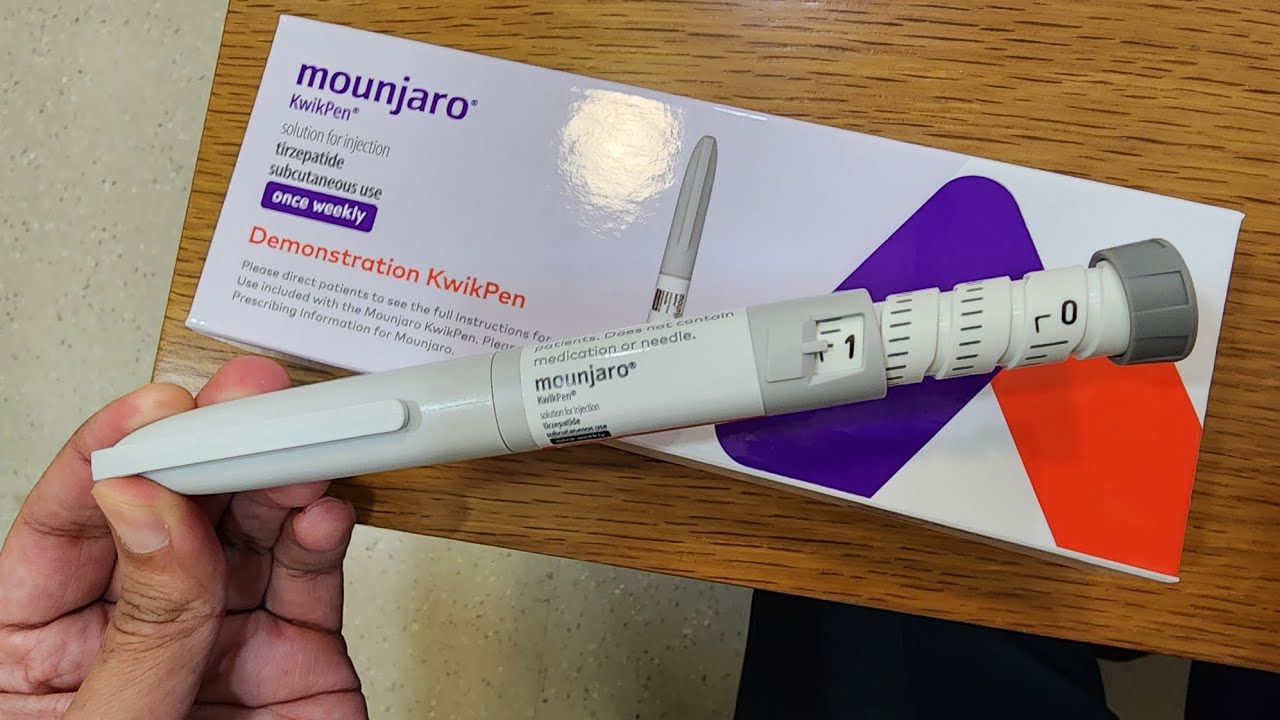
Some newer medications like Mounjaro injection, which contains Tirzepatide, are helpful for some patients. But even with such treatments, your lifestyle remains the foundation of long-term success.
How often should I check my blood sugar if I change my diet and activity?
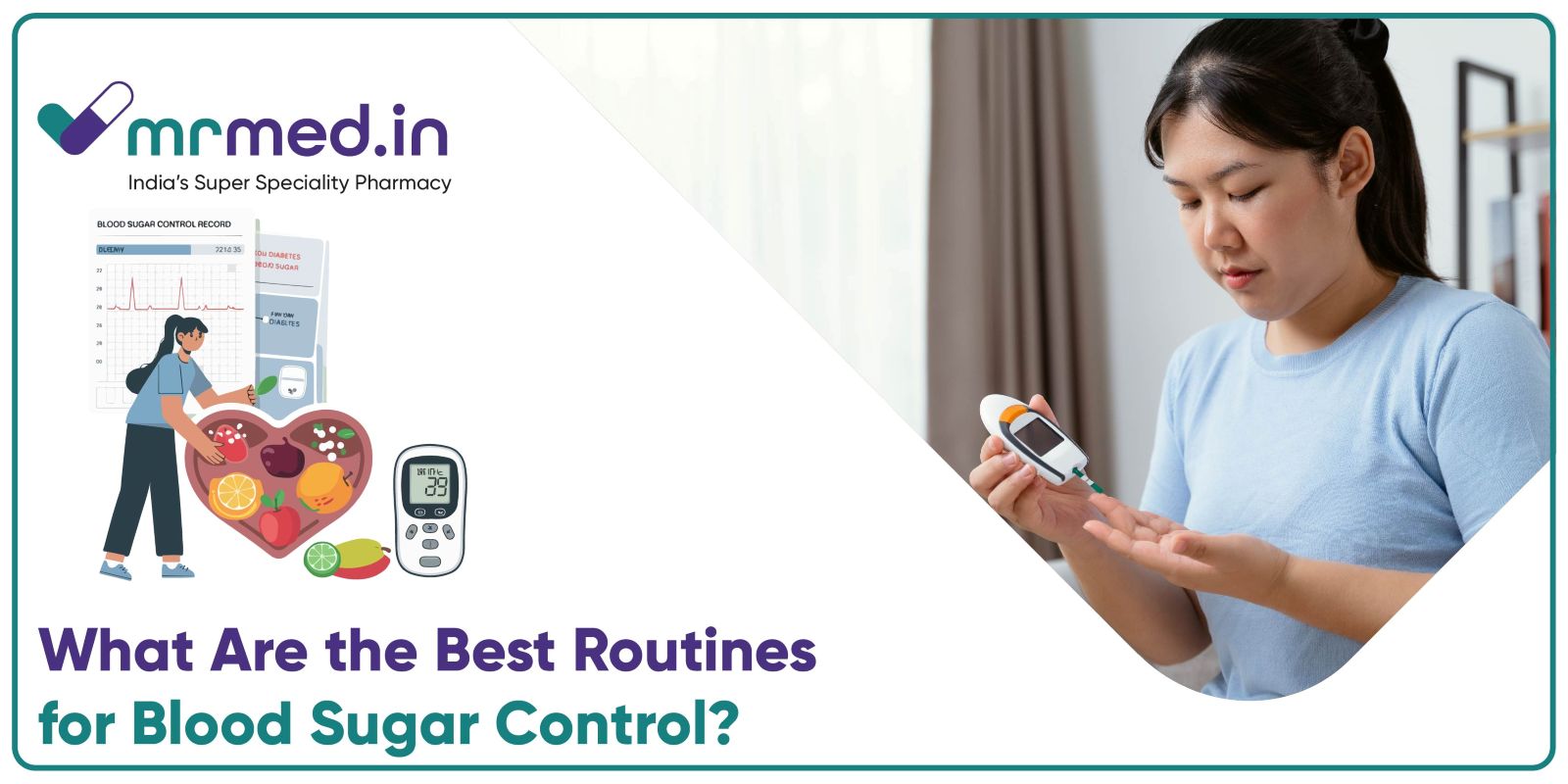
It’s a good idea to monitor your sugar levels regularly when starting a new plan. Check your blood sugar numbers before and after meals to learn what affects them.
You may notice patterns that help guide your food and activity choices. Keeping a journal or using an app can make this easier. It also helps your doctor adjust your treatment, if needed.
If you're on medications or insulin, your doctor might suggest more frequent checks. Always follow their advice.
Are there risks or side effects if I change my routine too quickly?
Yes, making sudden changes can cause low energy, dizziness, or even low sugar levels. That’s why it's best to go slow.
Start by adjusting one habit at a time. Add a walk to your day or replace one snack with a healthier choice. Watch how your body reacts. If you feel unwell, pause and check in with a healthcare provider.
There are also common side effects of diabetes, like fatigue or slow healing. These can improve with regular healthy habits, but sudden shifts may make things worse before they get better.
How do I stay motivated to stick with a healthy routine?
Staying motivated can be hard, especially when progress feels slow. But setting small, clear goals helps. Focus on what you can control today.
Celebrate small wins — like cooking a home meal or walking for 15 minutes. These steps matter. Track your progress to stay inspired. It also helps you see how far you've come.
Having a friend or family member join you makes the journey easier. Don’t forget to reward yourself for your effort, not just results. You’re doing better than you think.
Key Takeaways
Healthy living is a journey, not a race. Focus on progress, not perfection. Simple steps, like eating better and staying active, can lead to powerful changes. Be patient with yourself and stay consistent. Every positive choice you make brings you closer to a stronger, healthier life. Keep learning, keep going, and don’t forget to celebrate your efforts along the way. You have the strength to create the future you want — one step at a time.