

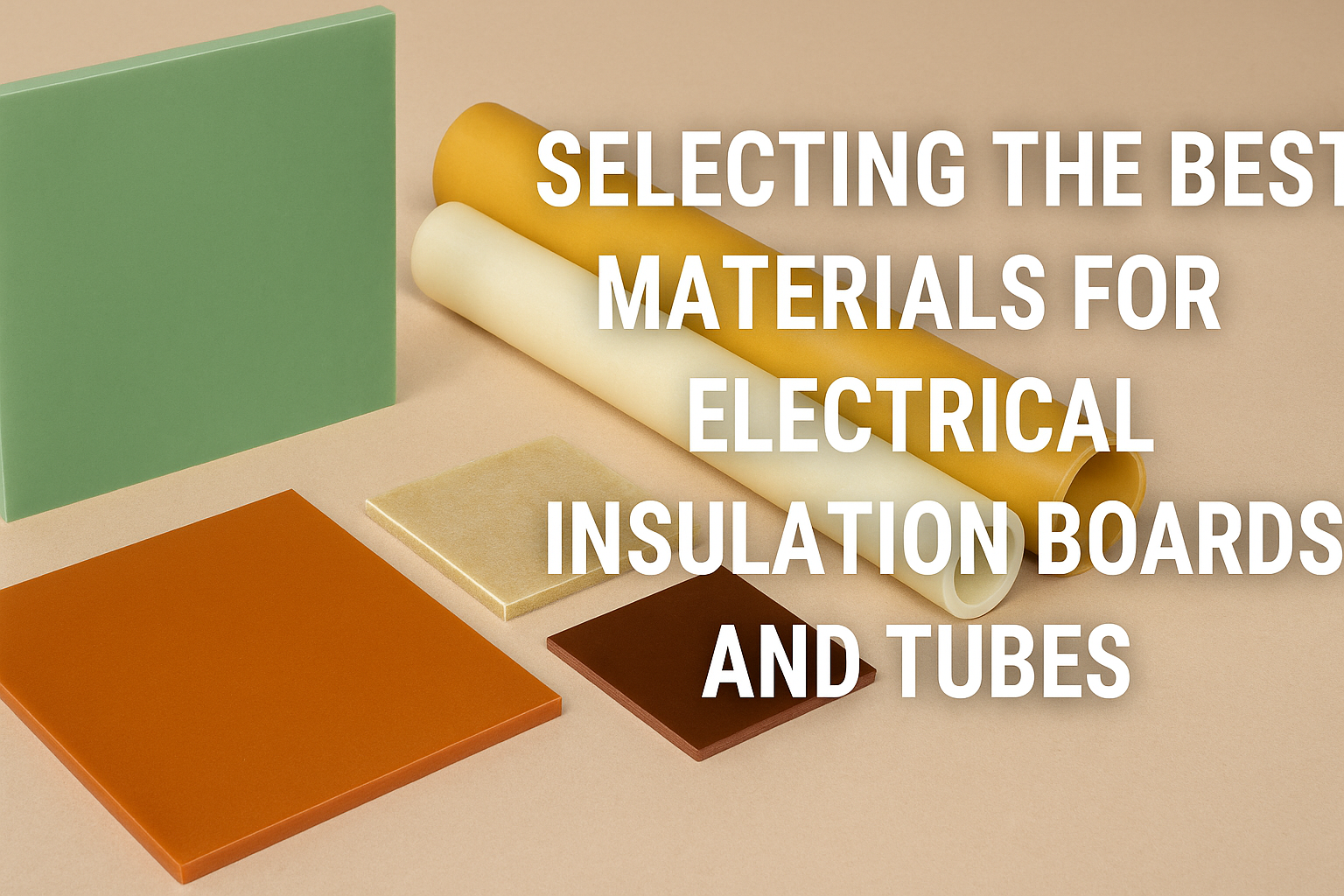
Selecting the right material for electrical insulation boards and tubes depends on factors such as dielectric strength, thermal performance, mechanical durability, chemical resistance, and compliance with fire safety standards. Applications must be clearly defined by voltage level, operating temperature, and environmental exposure before narrowing down suitable options.
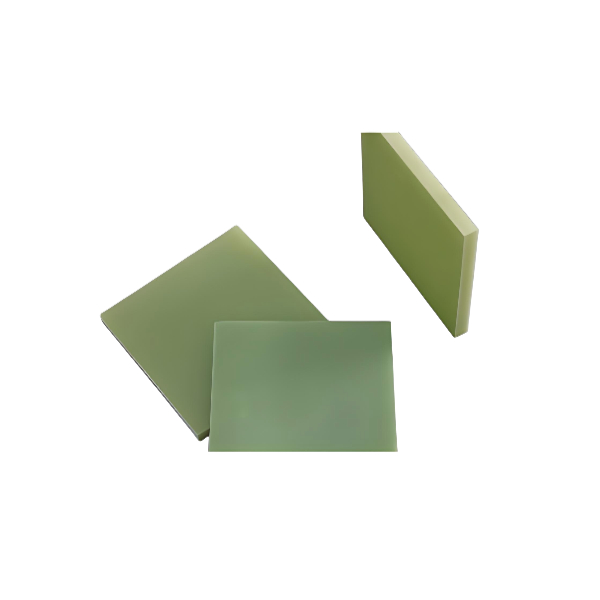
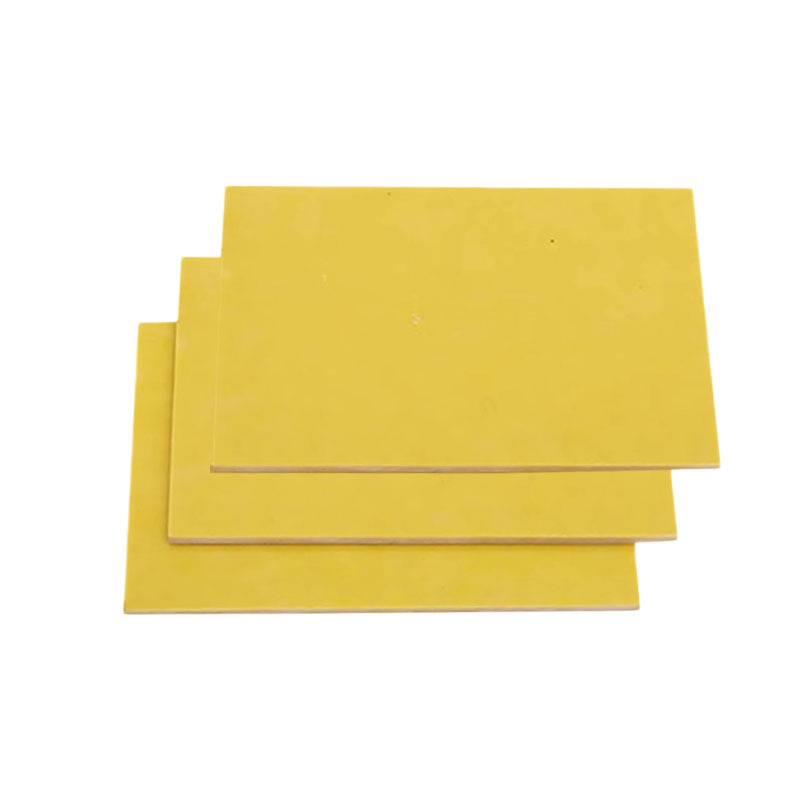
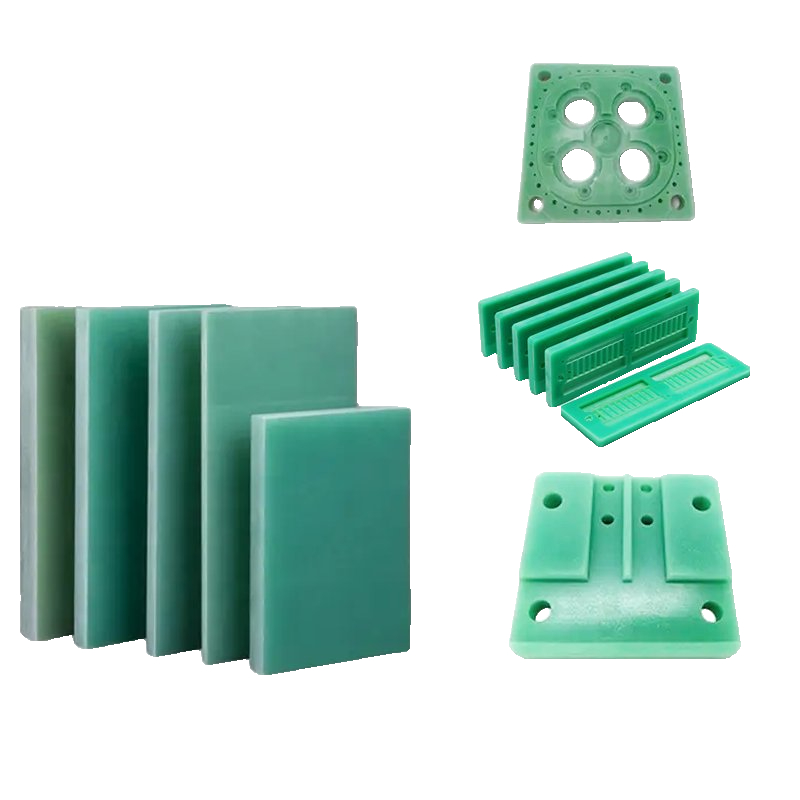
For insulation boards, epoxy glass laminates like FR-4, G-10, and G-11 are widely used due to their strong mechanical and electrical properties. Phenolic and melamine laminates offer cost-effective solutions with moderate heat resistance. High-end composites, such as mica or ceramic-filled materials, provide exceptional dielectric strength and thermal endurance for demanding applications.
Tubular insulation requires materials with strong dimensional stability and thermal reliability. G-10/G-11 and silicone-glass tubes are ideal for high-voltage or moisture-prone environments, while phenolic tubes offer economical solutions for general electrical isolation. Polyimide and PTFE tubes are used in extreme environments like aerospace and RF systems. Proper selection ensures safe, long-lasting performance across electrical systems.