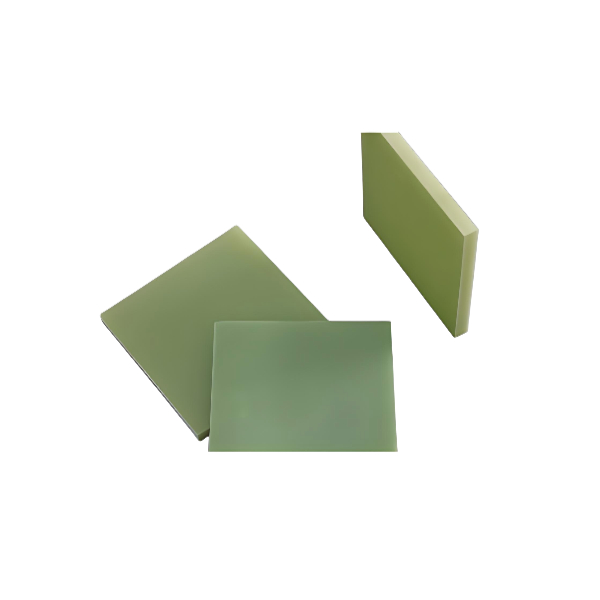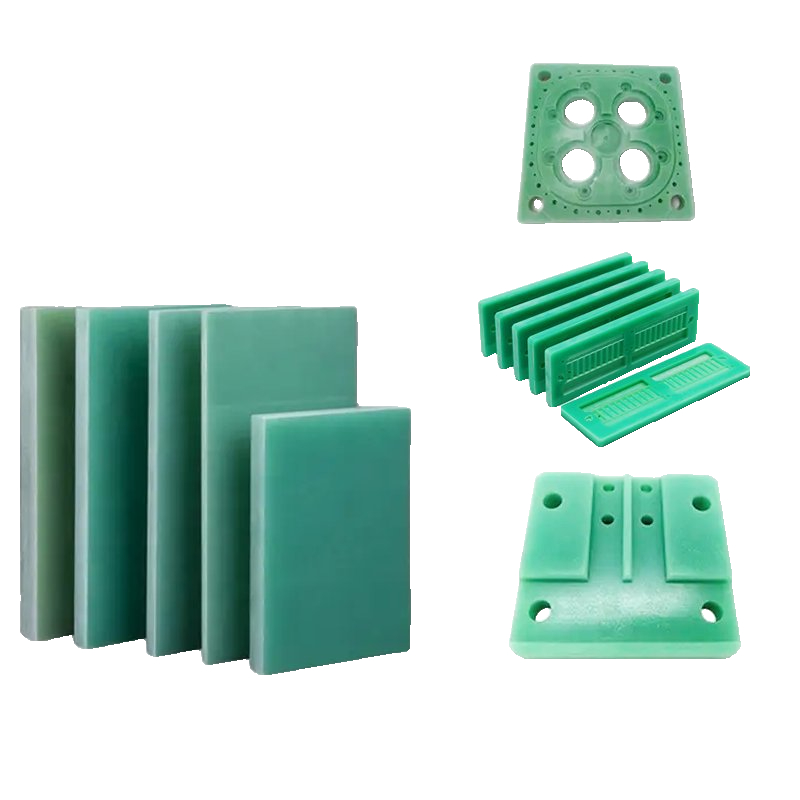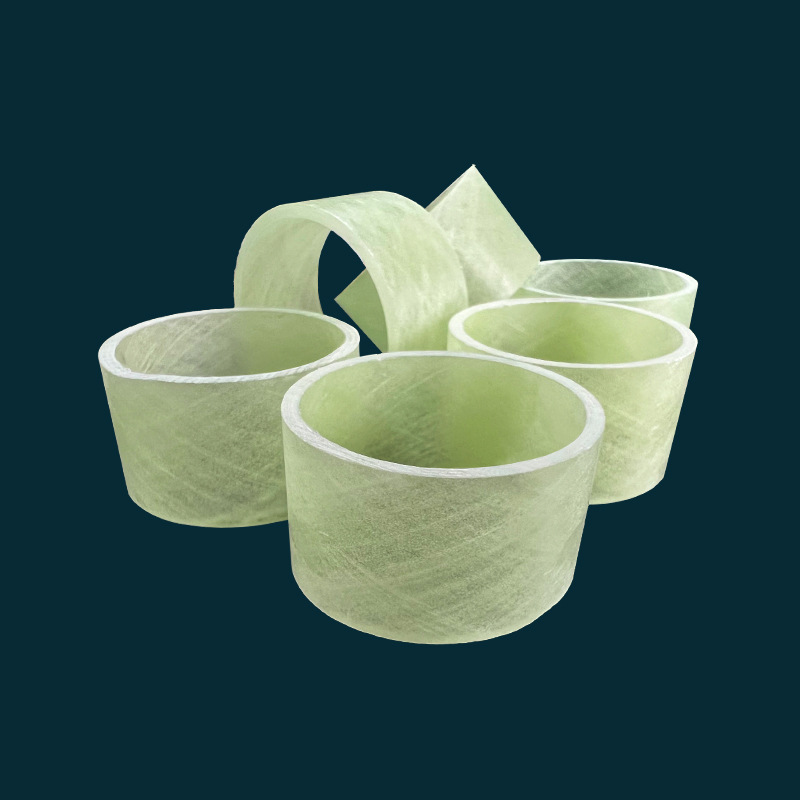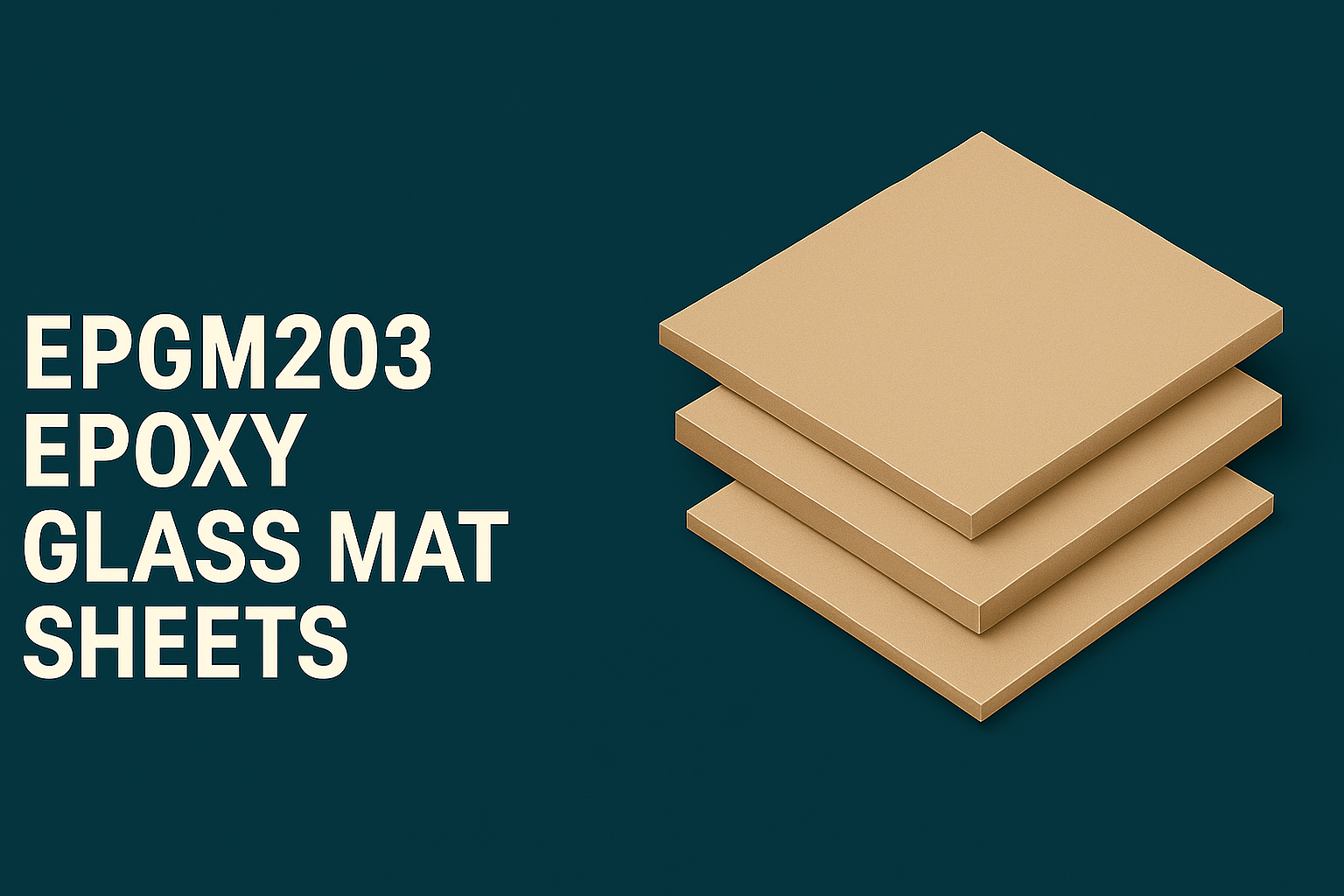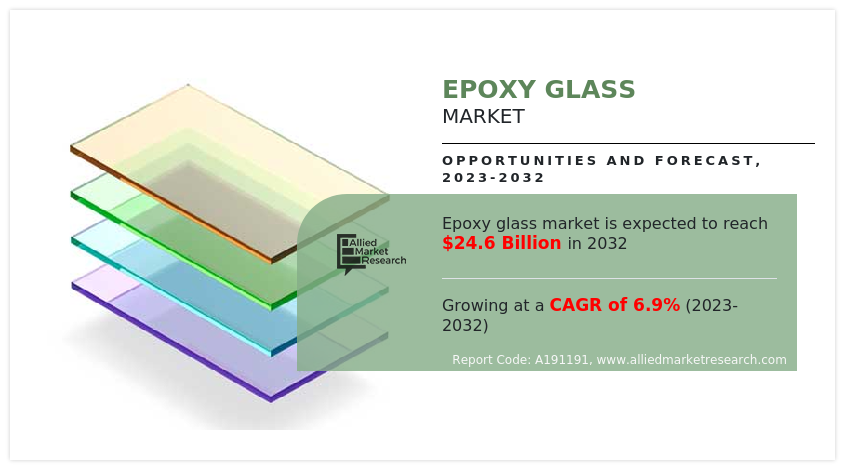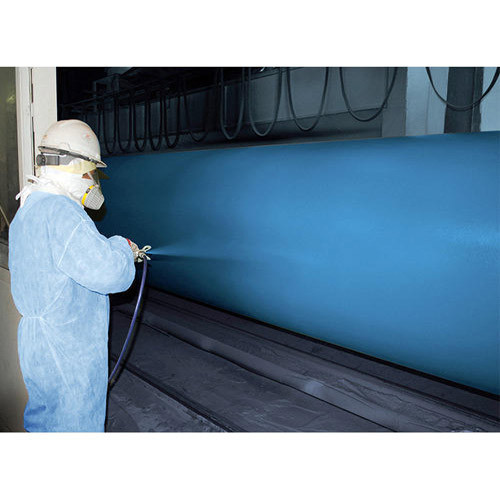


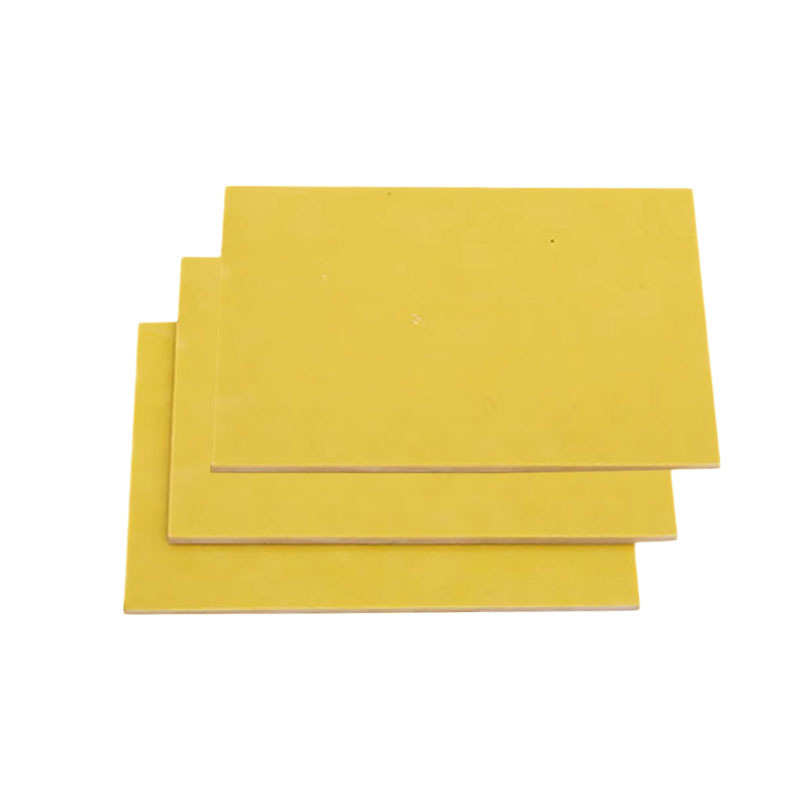
Epoxy glass sheets are high-performance laminate materials made by impregnating woven glass fabric with epoxy resin and curing it under heat and pressure. They are known for their exceptional electrical insulation, mechanical strength, and chemical resistance, making them one of the most versatile materials in industrial, electrical, and electronic applications.
Below are the key advantages of epoxy glass sheets:
1. Excellent Electrical Insulation
Epoxy glass laminates offer outstanding dielectric strength and electrical insulation, even under humid or high-temperature conditions. This makes them ideal for use in transformers, switchgear, motors, generators, and printed circuit boards (PCBs).
Stable insulation properties across a wide range of temperatures and frequencies
Low dielectric loss for high-voltage and high-frequency applications
2. High Mechanical Strength
The combination of glass fiber reinforcement and epoxy resin gives these sheets superior tensile, flexural, and compressive strength. They maintain rigidity and dimensional stability even under heavy loads or thermal stress.
Ideal for structural and mechanical insulation components
Retains strength over time and in harsh operating environments
3. Excellent Thermal Resistance
Epoxy glass sheets perform well at elevated temperatures, withstanding continuous operation in Class B (130 °C) and higher for certain grades such as G-11 (Class H, 180 °C).
Suitable for environments with high heat or thermal cycling
Minimal degradation or deformation under prolonged thermal exposure
4. Outstanding Chemical and Moisture Resistance
Epoxy glass laminates resist moisture absorption, oils, solvents, and many chemicals, ensuring stable performance even in corrosive or humid conditions.
Reliable for outdoor or marine electrical installations
Maintains insulation properties after exposure to moisture
5. Precision Machinability
Epoxy glass sheets can be easily machined, drilled, milled, or cut into precise shapes without cracking or delamination.
Suitable for producing custom insulation parts, spacers, and supports
Maintains tight tolerances for electrical and mechanical assemblies
6. Dimensional Stability
The glass fabric reinforcement minimizes expansion and shrinkage, ensuring excellent dimensional stability under varying thermal and mechanical loads.
Ideal for precision components and assemblies that require consistency over time
7. Flame Retardancy (in FR Grades)
Grades like FR-4 and FR-5 are self-extinguishing and meet UL94 V-0 standards, providing enhanced safety in electrical and electronic systems.
Widely used in printed circuit boards and electrical insulation where flame resistance is essential
8. Wide Range of Grades and Applications
Epoxy glass sheets are available in multiple grades—such as G-10, G-11, FR-4, and FR-5—each tailored to specific performance needs:
G-10: General-purpose electrical insulation and structural use
FR-4: Flame-retardant version for electronics and electrical assemblies
G-11 / FR-5: High-temperature and high-strength versions for aerospace, defense, and heavy industry
9. Long-Term Reliability
Epoxy glass sheets exhibit excellent aging resistance, maintaining insulation and strength properties over long service periods. This reliability reduces maintenance and ensures long operational life for electrical equipment.
Conclusion
Epoxy glass sheets combine superior electrical, mechanical, and thermal performance in one versatile material. Their stability, machinability, and resistance to heat, moisture, and chemicals make them a top choice for applications across electronics, power systems, aerospace, oil & gas, and industrial machinery.
In short, they deliver high performance, durability, and safety, making them one of the most trusted insulation materials in modern engineering.