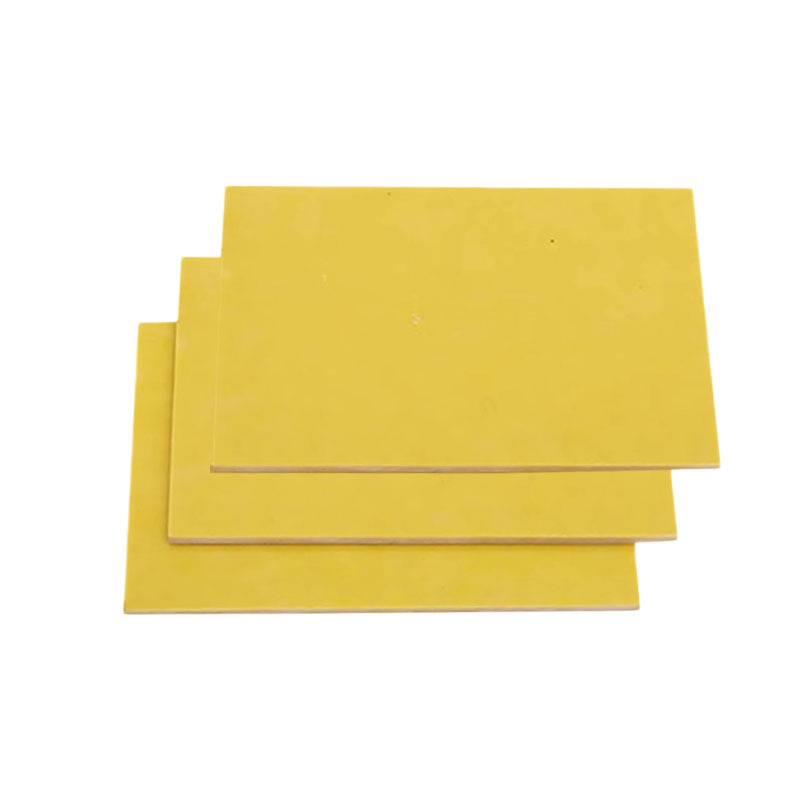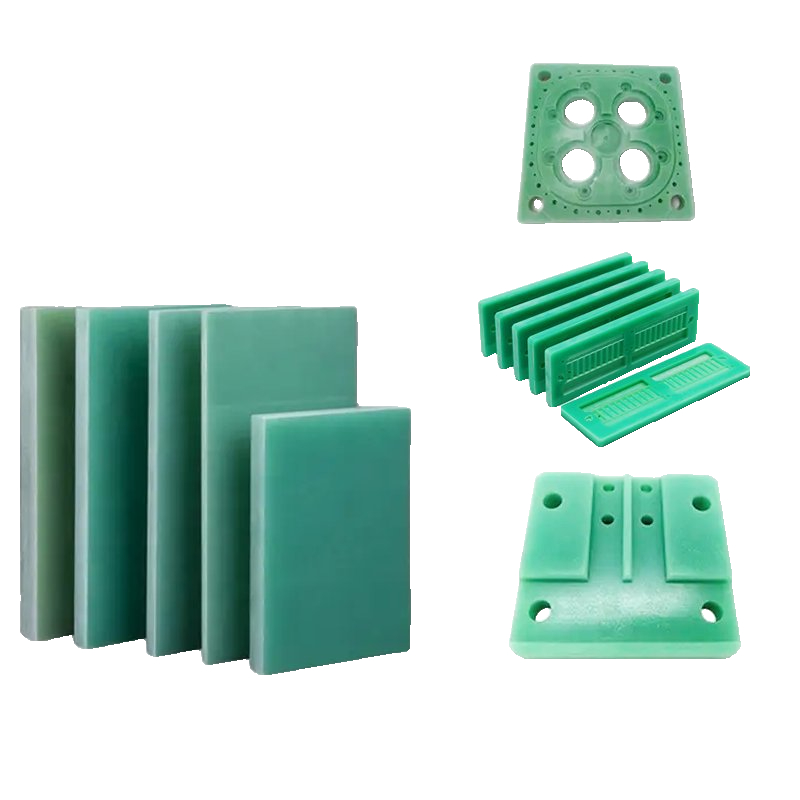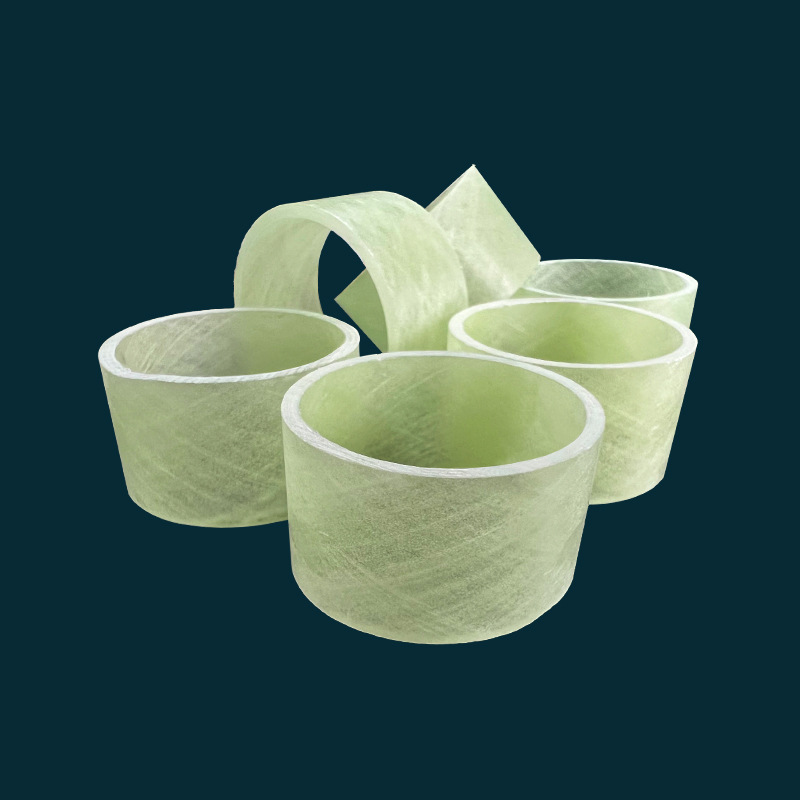


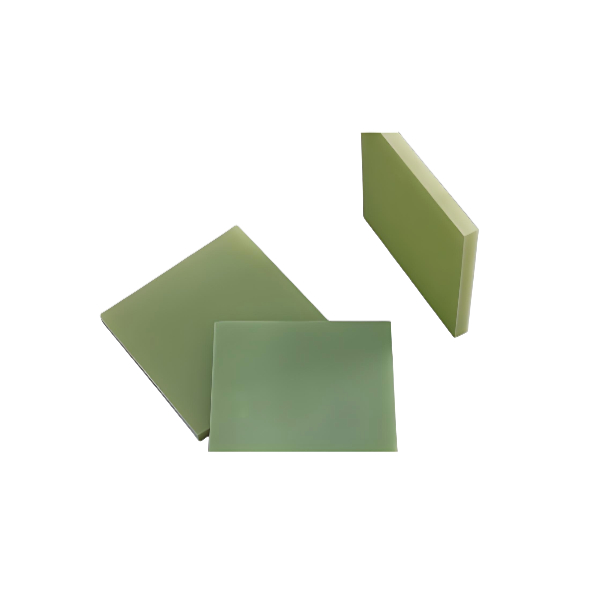
Epoxy Glass Mat Sheets are high-performance composite materials made by impregnating non-woven glass fiber mats with epoxy resin under heat and pressure. The result is a strong, durable, and dimensionally stable laminate that combines excellent mechanical properties with outstanding electrical insulation and chemical resistance. These sheets are designed to perform reliably in demanding industrial, electrical, and mechanical environments, making them one of the most versatile materials used in engineering and insulation applications today.
Unlike woven fiberglass sheets, epoxy glass mat sheets use randomly oriented glass fibers, giving them uniform strength in all directions and excellent impact resistance. This structure ensures consistent performance even under dynamic mechanical loads and temperature variations. The epoxy resin matrix provides superior bonding strength, moisture resistance, and electrical insulation, allowing the sheets to maintain high dielectric integrity and mechanical stability in both dry and humid environments.
Epoxy glass mat sheets are widely used in electrical and electronic applications, including transformers, switchgear, motors, and high-voltage insulation components. Their excellent dielectric properties make them ideal for insulating barriers, supports, and mounting panels. The sheets are also non-conductive and resistant to electrical tracking and arcing, which ensures long-term reliability and safety in high-voltage systems.
In mechanical and structural applications, epoxy glass mat sheets provide superior rigidity, compressive strength, and dimensional precision. They are often machined into parts such as spacers, gaskets, and structural supports that must withstand both mechanical loads and environmental exposure. Their resistance to thermal expansion and corrosion makes them an ideal choice for harsh industrial settings, including oil and gas, transportation, and renewable energy systems.
Furthermore, these sheets exhibit excellent thermal and chemical resistance, allowing them to perform effectively in high-temperature or chemically aggressive environments. They can operate continuously at elevated temperatures without significant loss of strength or insulation properties. This makes them suitable for use in motors, electrical enclosures, and power generation equipment that demand stability under thermal stress.
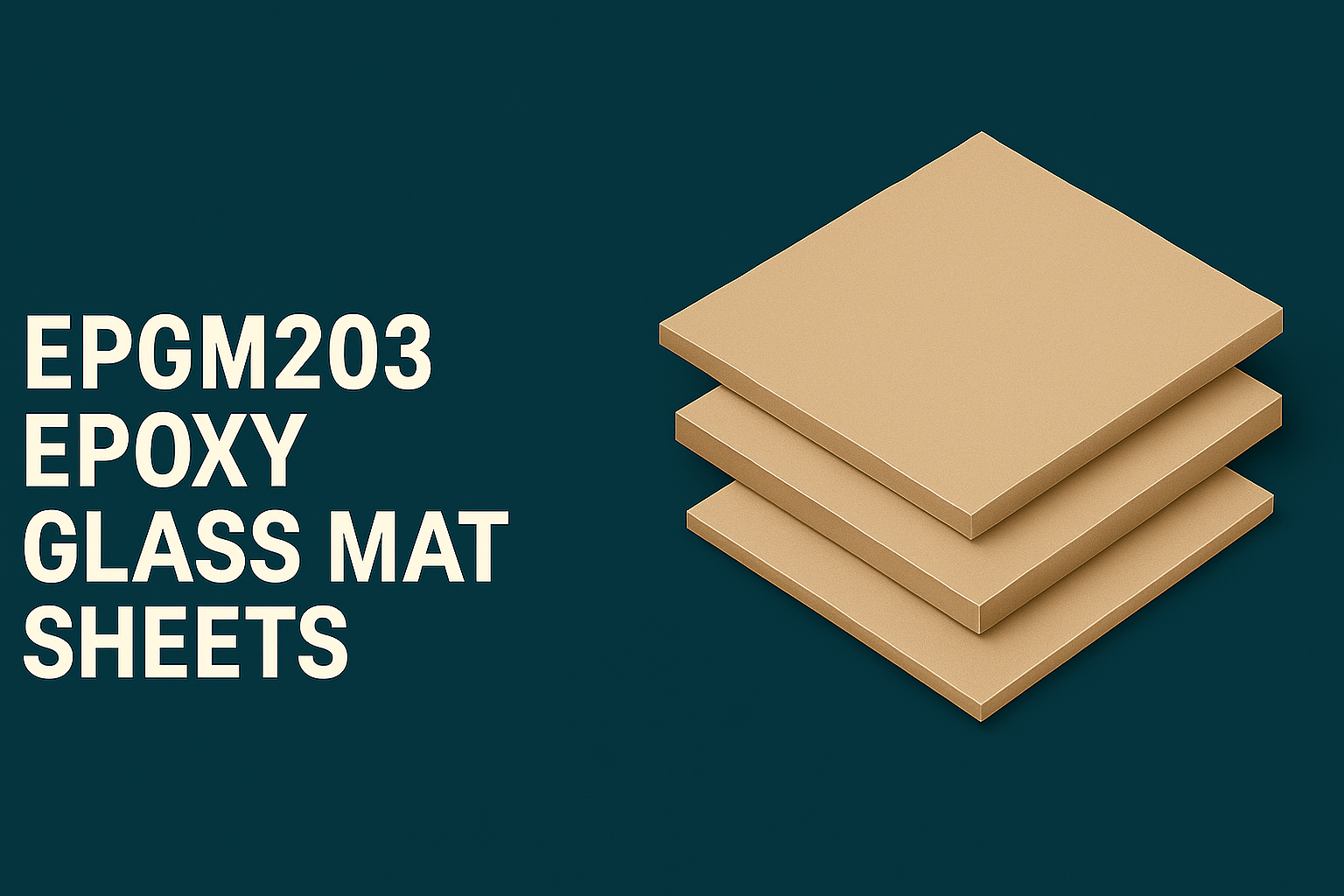
Epoxy glass mat sheets are available in several grades, such as EPGM203, which offers enhanced mechanical and electrical properties tailored for specific industrial requirements. EPGM203 sheets, for instance, provide exceptional strength retention at elevated temperatures and are compliant with international insulation standards. They can be easily fabricated through machining, drilling, and punching without delamination, making them adaptable for custom components and assemblies.
In addition to their performance advantages, epoxy glass mat sheets contribute to lightweight and efficient design. Compared with metals, they offer comparable strength at a fraction of the weight, improving system efficiency and reducing energy consumption in equipment and vehicles.
In conclusion, epoxy glass mat sheets represent a key advancement in composite insulation technology. Their unique combination of strength, electrical insulation, and environmental resistance enables engineers to design durable and reliable components for modern industrial systems. As industries continue to demand high-performance and sustainable materials, epoxy glass mat laminates will remain essential in achieving efficiency, safety, and long-term reliability across electrical, mechanical, and energy applications worldwide.