


Strength Training for Men: Building Resilience, Vitality, and Youthful Energy through Consistent Exercise
Strength training stands as one of the most impactful and accessible methods for men to preserve their physical health, boost vitality, and foster a sense of well-being that extends well beyond the gym. It’s not merely about sculpting a muscular physique; it encompasses a broad spectrum of health benefits that support aging gracefully and feeling younger inside and out. Engaging in regular strength training helps maintain muscle mass, fortifies bones, enhances metabolic health, and sharpens mental clarity—elements essential for a vibrant, youthful life.
For men of all ages and fitness backgrounds, the key to success with strength training lies in understanding its principles and tailoring routines to individual needs. Beginners might start with bodyweight exercises such as push-ups, squats, and planks, which require no equipment and help develop foundational strength. These exercises are effective in activating major muscle groups, improving coordination, and building confidence. As strength and endurance improve, gradually incorporating free weights, resistance bands, or machines can intensify workouts and promote muscle growth.
Consistency is paramount. Men should aim for at least two to three strength training sessions per week, ensuring they target different muscle groups to allow adequate recovery. Proper form and technique are crucial to prevent injuries and maximize gains. Working with fitness professionals or personal trainers can provide personalized guidance, ensuring exercises are performed correctly and safely. Over time, progressive overload—gradually increasing the resistance or repetitions—helps muscles adapt and grow stronger, contributing to a more youthful physique.
Beyond the physical advantages, strength training offers significant mental health benefits. It reduces stress, improves sleep quality, and enhances self-esteem. For men juggling careers, family, and social commitments, the discipline and routine of strength training serve as a mental anchor, fostering resilience and a sense of achievement. Maintaining muscle mass is especially vital as men age, since muscle decline—known as sarcopenia—is linked to increased risks of falls, fractures, and chronic illnesses such as diabetes and cardiovascular disease.
Complementing strength training with cardiovascular activities like brisk walking, cycling, or swimming can bolster heart health and endurance. A balanced routine that includes both aerobic and resistance exercises creates a comprehensive approach to health, ensuring all systems of the body are supported. Nutrition also plays a critical role; consuming adequate protein, healthy fats, and micronutrients fuels muscle repair and recovery. Regular monitoring and adjustments to workout routines, along with proper rest, are essential for sustainable progress.
In conclusion, strength training is a cornerstone of a youthful, resilient body. It empowers men to take control of their health, improve physical function, and cultivate a mindset of perseverance and vitality. When integrated thoughtfully into daily life, strength training becomes not just a workout but a lifelong investment in feeling younger and living stronger.
Mental Health for Men: Cultivating Emotional Well-being and Resilience for a Fulfilling Life
Mental health is a fundamental component of overall well-being, yet it often remains underemphasized in men's health discussions. Societal expectations surrounding masculinity frequently discourage men from openly expressing their emotions or seeking help, which can lead to unaddressed mental health challenges such as anxiety, depression, and chronic stress. Promoting mental health among men involves creating supportive environments where emotional expression is normalized and resources are accessible.
One of the most effective strategies for maintaining mental health is fostering strong social connections. Men should prioritize building and nurturing relationships with friends, family, and community groups. These bonds provide emotional support, reduce feelings of isolation, and contribute to a sense of belonging. Engaging in shared activities, whether hobbies, sports, or volunteer work, can strengthen these connections and create a support network that buffers against stress.
Practicing mindfulness, meditation, or journaling can significantly improve mental clarity and emotional resilience. These practices help men become more aware of their thoughts and feelings, enabling better stress management and reducing anxiety. Regular physical activity, especially aerobic exercises like walking, running, or swimming, releases endorphins—natural mood lifters—that combat feelings of depression and anxiety. Incorporating these habits into daily routines can foster a more positive outlook and emotional stability.
Addressing mental health concerns early is vital. Men experiencing persistent feelings of sadness, hopelessness, or anxiety should seek professional support without hesitation. Therapy, counseling, and support groups are valuable resources that can provide guidance, validation, and effective coping strategies. It’s essential to recognize that mental health issues are common and treatable, and seeking help is a sign of strength, not weakness.
Furthermore, lifestyle factors such as adequate sleep, balanced nutrition, and moderation in alcohol and substance use significantly influence mental health. Poor sleep quality exacerbates emotional instability, while a nutritious diet supports brain function. Conversely, substance abuse can worsen mental health problems, creating a vicious cycle. Men should adopt healthy habits that promote mental clarity and emotional resilience.
Society plays a crucial role in destigmatizing mental health issues among men. Public education campaigns, open conversations, and workplace initiatives can help break down barriers that prevent men from seeking help. Encouraging vulnerability and emotional openness fosters a culture where mental health is prioritized equally with physical health. Ultimately, mental health for men is about cultivating emotional strength, resilience, and a positive outlook on aging and life's challenges. When men invest in their mental well-being, they unlock a more fulfilling, balanced, and youthful life experience.
Balanced Diet for Men: Nourishing the Body for Vitality, Youthfulness, and Long-term Health
Nutrition forms the foundation of health, vitality, and a youthful outlook. A balanced diet provides essential nutrients, vitamins, and minerals that support every bodily function—from muscle strength and immune defenses to cognitive sharpness and emotional stability. For men who aspire to feel better, stay active, and age gracefully, adopting a nutritious eating pattern is an accessible and effective strategy.
At the core of a healthy diet are a diverse array of fruits and vegetables. These foods are rich in antioxidants and phytochemicals that combat oxidative stress, reduce inflammation, and support cellular health. Incorporating a variety of colorful produce ensures a broad spectrum of nutrients, which are vital for maintaining energy levels and preventing chronic diseases.
Whole grains such as oats, brown rice, quinoa, and whole wheat bread should replace refined grains. These complex carbohydrates provide sustained energy and dietary fiber, which promotes digestive health and helps regulate blood sugar levels. Lean proteins—including poultry, fish, beans, lentils, and nuts—are essential for muscle repair, hormone synthesis, and overall cellular function. Fish, particularly fatty varieties like salmon and mackerel, supply omega-3 fatty acids that support brain health and reduce inflammation.
Healthy fats are a crucial component of a balanced diet. Monounsaturated and polyunsaturated fats, found in foods like avocados, nuts, seeds, and olive oil, help maintain cardiovascular health and cognitive function. Conversely, limiting intake of processed foods, sugars, saturated fats, and trans fats reduces the risk of developing chronic illnesses such as heart disease, obesity, and type 2 diabetes.
Hydration is often overlooked but is fundamental to health. Drinking plenty of water supports digestion, skin elasticity, joint lubrication, and overall energy. Men should aim for at least 8 glasses of water daily, adjusting for activity level and climate conditions.
Meal planning and portion control are practical tools to maintain a healthy weight and prevent overeating. Mindful eating—paying attention to hunger cues and eating slowly—can enhance satisfaction and reduce calorie intake. For men with specific health concerns, consulting with a registered dietitian can provide personalized nutrition plans that align with individual needs and goals.
Supplements can play a role in filling nutritional gaps, especially for nutrients like vitamin D, magnesium, and omega-3s. However, they should complement a diet rich in whole foods rather than replace healthy eating habits. By embracing a balanced diet, men can boost their energy, improve their immune function, and foster a youthful vitality that enhances their quality of life every day.
Addressing Erectile Dysfunction and Its Treatment: Restoring Confidence and Enhancing Quality of Life
Erectile dysfunction (ED) is a common issue that affects many men, especially as they age. It can be caused by various factors, including cardiovascular problems, hormonal imbalances, stress, lifestyle choices, and underlying health conditions. Understanding ED and exploring its treatment options is crucial for men seeking to regain their confidence, improve their sexual health, and enjoy a more youthful, fulfilling life.
Often, ED is a symptom of broader health issues such as poor circulation, diabetes, or high blood pressure. Addressing these underlying conditions through lifestyle modifications can lead to significant improvements. Regular exercise, a balanced diet, quitting smoking, and reducing alcohol intake are foundational steps that promote better blood flow and overall health. Managing stress through relaxation techniques or therapy can also positively impact erectile function.
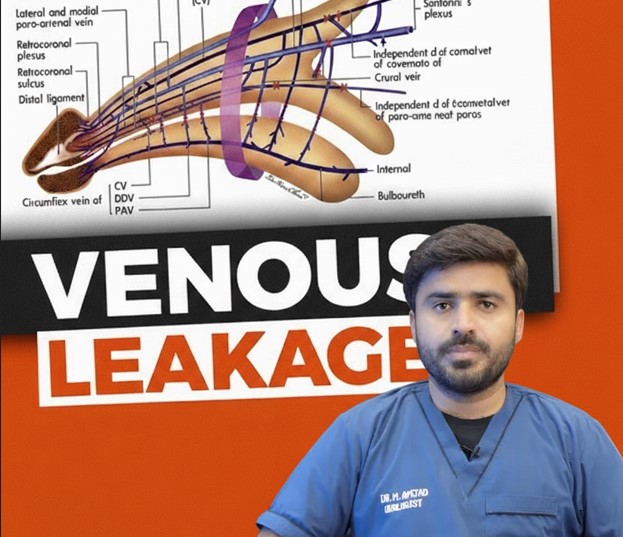
ED Treatment include medications such as phosphodiesterase inhibitors—Viagra, Cialis, and Levitra—that enhance blood flow to the penis. These drugs are effective for many men but require medical oversight to ensure safety, especially for those with cardiovascular issues or taking certain medications. For some men, hormone therapy might be appropriate if low testosterone levels are contributing to ED.
Other treatment options include vacuum erection devices, penile injections, or surgical procedures like penile implants. These interventions can be highly effective, particularly when other treatments have failed or are unsuitable. Additionally, counseling or sex therapy can address psychological factors such as performance anxiety, stress, or relationship issues that may contribute to ED.
Addressing ED comprehensively involves a combination of lifestyle changes, medical interventions, and psychological support. Men experiencing persistent difficulties should consult healthcare professionals for a thorough evaluation. By doing so, they can identify root causes and develop personalized treatment plans that restore sexual confidence and improve overall well-being.
Ultimately, overcoming ED is more than just restoring sexual function; it’s about reclaiming vitality, confidence, and emotional intimacy. When men take proactive steps, they not only improve their sexual health but also enhance their overall quality of life, feeling younger, stronger, and more in control of their bodies and emotions.
If you are looking for erectile disfunction treatment in Pakistan, visit Dot Clinics to get appointment with expert urologist.