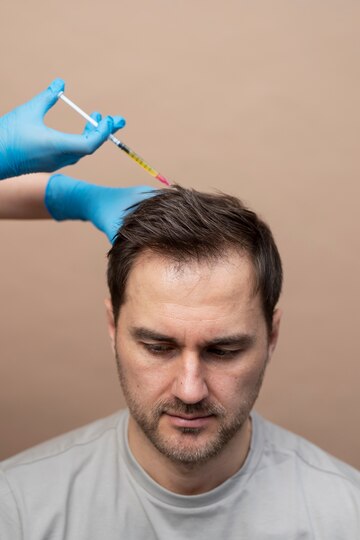


Face PRP treatment—also known as Platelet-Rich Plasma therapy—has become one of the most in-demand non-surgical skin rejuvenation procedures worldwide. Popular among celebrities and dermatologists, PRP is often referred to as the “Vampire Facial” because it uses a patient’s own blood to stimulate natural healing, collagen production, and overall facial rejuvenation.
PRP is recognized for being safe, natural, and highly effective for improving skin texture, reducing fine lines, enhancing glow, and promoting youthful, healthier-looking skin without surgery or synthetic fillers. This comprehensive guide explains everything you need to know about Face PRP Treatment—its benefits, procedure steps, cost, expected results, side effects, and aftercare.
What Is Face PRP Treatment?
Face PRP Treatment is a skin rejuvenation therapy that uses a concentrated form of a patient’s own blood plasma, rich in platelets and growth factors, to repair and regenerate facial skin. These growth factors promote:
Tissue regeneration
Collagen & elastin production
Skin tightening
Faster healing
Improved blood circulation
Because PRP uses the patient’s own biological material, it is 100% natural, biocompatible, and safe for all skin types.
How PRP Works: The Science Behind It
PRP therapy is based on the body’s natural healing mechanism. Platelets normally help repair damaged tissues and stimulate growth. When PRP is injected or micro-needled into the skin:
Collagen synthesis increases
The skin produces more collagen, restoring firmness and elasticity.
Cell regeneration accelerates
New, healthy skin cells replace old, damaged cells.
Blood supply improves
Increased circulation enhances the skin’s radiance.
Inflammation reduces
PRP helps repair acne damage and pigmentation.
This multidimensional healing effect makes PRP one of the most powerful anti-aging and skin-repair treatments.
Who Should Consider Face PRP Treatment?
PRP is suitable for men and women of all ages who want natural-looking, long-lasting rejuvenation. It is ideal for:
Fine lines & wrinkles
Uneven skin tone
Dull, tired-looking skin
Acne scars
Large pores
Sun-damaged skin
Dark circles
Skin laxity (mild sagging)
Rough texture
Even younger individuals in their 20s or early 30s choose PRP as a preventive anti-aging treatment.
Benefits of Face PRP Treatment
Face PRP therapy offers numerous cosmetic and therapeutic benefits:
1. Natural Skin Rejuvenation
No chemicals, no synthetic ingredients—just your own plasma working to heal and regenerate your skin.
2. Enhanced Skin Tightening
PRP boosts collagen and elastin, helping the skin become firmer and lifting sagging areas.
3. Reduces Fine Lines and Wrinkles
The treatment smooths out facial creases, especially under the eyes, around the mouth, and on the forehead.
4. Improves Skin Texture
PRP helps refine pores, soften rough patches, and create a silky-smooth complexion.
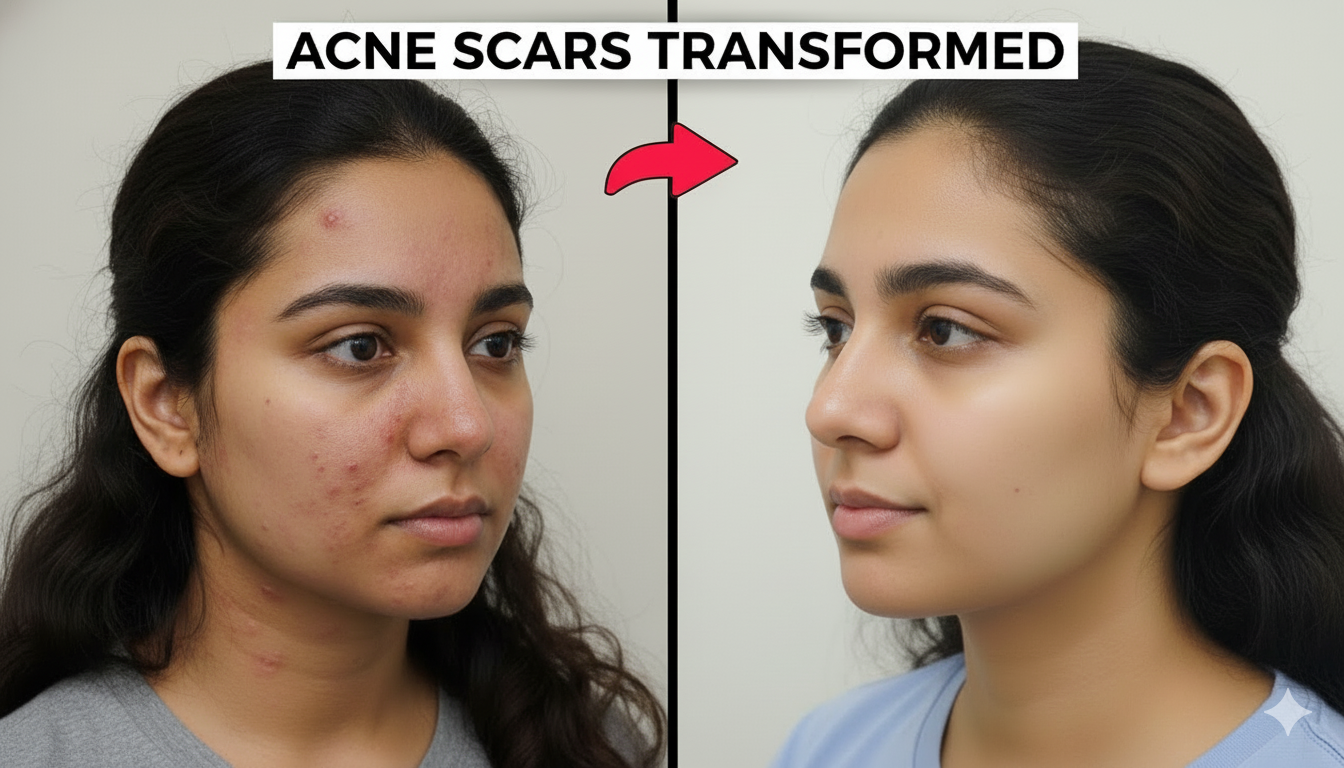
5. Fades Acne Scars & Pigmentation
Through cell regeneration, PRP significantly reduces old acne scars, blemishes, and uneven skin tone.
6. Boosts Radiance & Glow
The treatment revitalizes the skin, restoring a youthful, bright, and healthy glow.
7. Safe for All Skin Types
Since PRP is derived from your own blood, there is minimal risk of allergic reactions.
8. Long-Lasting Results
The effects of PRP improve over time, with results becoming even better in the months following the treatment.
How the Face PRP Procedure Is Done
The entire PRP session typically takes 45 to 60 minutes and involves the following steps:
Step 1: Consultation
A dermatologist evaluates your skin concerns and explains the expected results, number of sessions, and aftercare guidelines.
Step 2: Blood Draw
A small amount of blood (around 10–20 ml) is collected from your arm.
Step 3: Centrifugation
The blood is placed into a centrifuge machine where it spins rapidly to separate:
Plasma (rich in platelets)
Red blood cells
White blood cells
The plasma used is 3–5 times richer in platelets than normal blood.
Step 4: Skin Preparation
The face is cleansed thoroughly, and a numbing cream is applied to minimize discomfort.
Step 5: PRP Application
PRP is applied in one of two ways:
a. PRP Microneedling (Vampire Facial)
A microneedling device creates micro-channels in the skin while PRP is applied on top. This allows deeper absorption of growth factors.
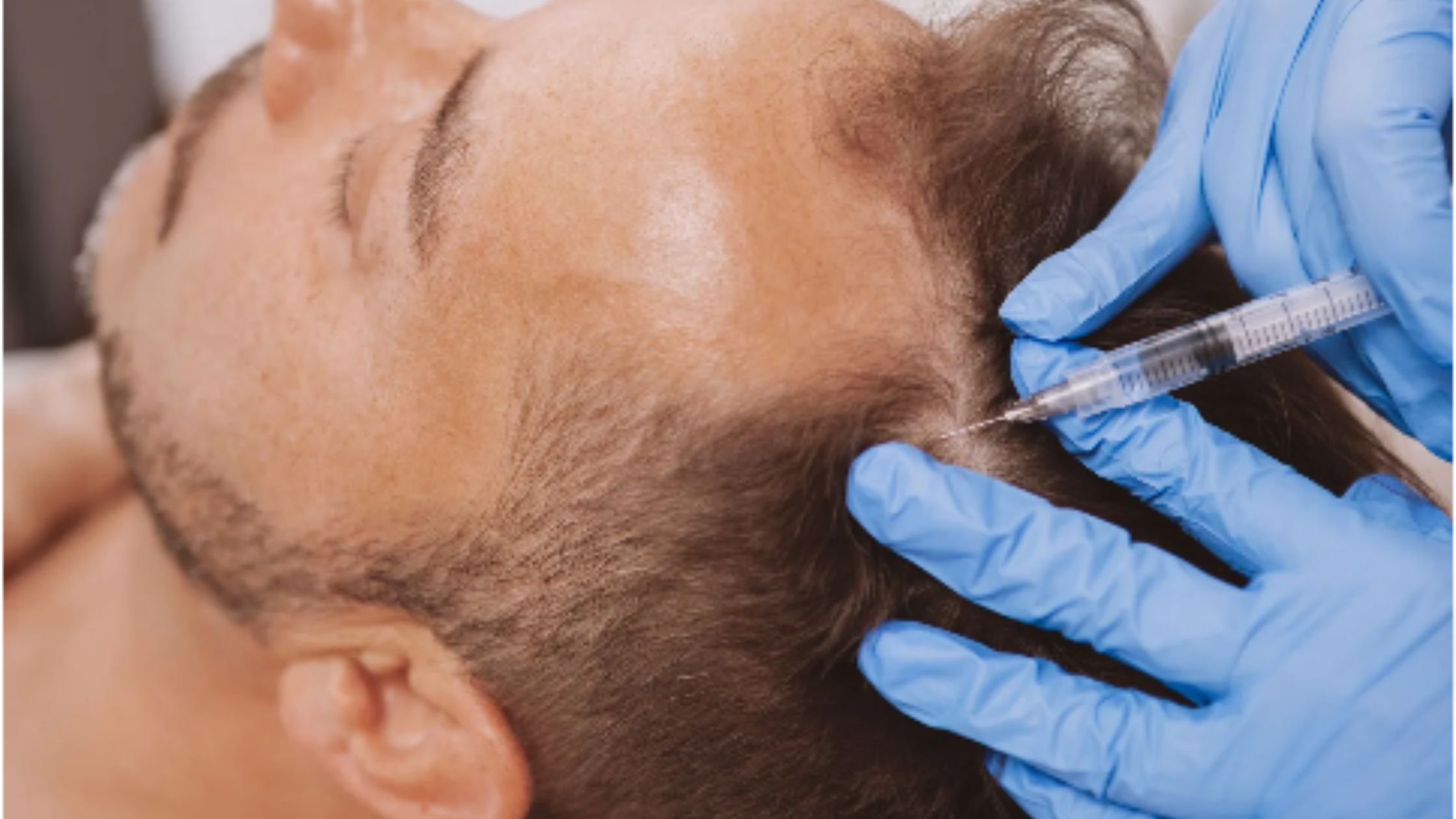
b. PRP Injections
PRP is injected directly into targeted areas like:
Under eyes
Nasolabial folds
Cheeks
Forehead
Jawline
Some clinics combine both methods for enhanced results.
Step 6: Post-Treatment Application
A soothing cream or serum is applied to reduce redness.
What to Expect After the Treatment
Immediately after PRP:
Mild redness
Slight swelling
Pin-point marks (if microneedled)
These effects typically fade within 24–48 hours.
Results Timeline
Time Period Expected Improvements
1 week Skin looks fresher and more hydrated
3–4 weeks Collagen production starts; texture improves
6–8 weeks Noticeable reduction in wrinkles and scars
3 months Skin becomes firmer, smoother, and more youthful
6 months Full results appear
How Many PRP Sessions Are Needed?
Most dermatologists recommend:
3 sessions (one every 4–6 weeks) for beginners
1 maintenance session every 6–12 months
Individuals with deeper scars or advanced aging may require additional sessions.
Face PRP Treatment for Specific Skin Concerns
1. PRP for Acne Scars
PRP is excellent for repairing old acne scars by stimulating dermal regeneration.
2. PRP for Under-Eye Dark Circles
PRP improves blood flow, thickens thin under-eye skin, and reduces shadowing.
3. PRP for Pigmentation
While PRP alone may not remove deep pigmentation, it enhances skin tone and reduces dullness.
4. PRP for Aging & Wrinkles
By increasing collagen and elastin, PRP effectively reduces signs of aging.
Is PRP Painful?
Most patients describe the pain as mild to moderate. Numbing creams make the procedure comfortable. Injections cause slight pressure or stinging but are easily tolerable.
Side Effects of PRP Treatment
PRP is generally safe, but minor side effects may include:
Redness
Mild swelling
Tenderness
Bruising (usually around injection sites)
Since PRP uses your own blood, the chance of allergic reactions is extremely low.
Who Should Avoid PRP?
PRP may not be suitable for:
Pregnant or breastfeeding women
Individuals with blood disorders
People on heavy blood-thinning medications
Patients with active skin infections
Always consult a qualified dermatologist before treatment.
Aftercare Instructions for PRP Facial
For best results:
Do’s
Keep skin hydrated
Apply sunscreen regularly
Use a gentle cleanser
Drink plenty of water
Follow your dermatologist’s skincare plan
Don’ts
Avoid sun exposure for 48 hours
No makeup for 24 hours
Avoid touching the treated areas
Don’t use retinoids, AHA/BHA, or harsh products for 3–5 days
Avoid gym, sauna, or sweating for 24–48 hours
Proper aftercare enhances the benefits and minimizes side effects.
Cost of Face PRP Treatment
The cost varies depending on the clinic, city, number of sessions, and whether microneedling is combined with injections.
In general, prices fall within:
1 Session PRP Facial: Moderate cost
3-Session Package: More economical and effective
Because PRP is a specialization-dependent treatment, it's always best to choose a licensed dermatologist or certified aesthetic professional.
Advantages of PRP Over Other Skin Treatments
Feature PRP Botox Fillers Laser
Natural ✔ ✖ ✖ ✖
Uses own blood ✔ ✖ ✖ ✖
Boosts collagen ✔ ✖ ✖ ✔
Long-lasting ✔ ✔ ✔ ✔
Safe for all skin types ✔ ✔ ✔ Depends
Reduces scars ✔ ✖ ✖ ✔
Minimal downtime ✔ ✔ ✔ ✖
PRP stands out because it is natural, non-surgical, and multi-purpose.
Frequently Asked Questions (FAQs)
1. Is Face PRP Treatment safe?
Yes, PRP is considered one of the safest skin treatments because it uses the patient’s own blood.
2. Does PRP lighten skin?
PRP improves brightness, reduces dullness, and promotes even skin tone, giving the appearance of lighter, glowing skin.
3. Can PRP remove deep acne scars?
PRP significantly improves the appearance of scars, especially when combined with microneedling or laser treatments.
4. How long do results last?
Results typically last 12–18 months with proper skincare and maintenance sessions.
5. Can PRP be combined with other treatments?
Yes. Dermatologists often combine PRP with microneedling, dermal fillers, chemical peels, and lasers for enhanced results.
Conclusion
Face PRP treatment is one of the most effective, natural, and safe skin rejuvenation solutions available today. It works by harnessing the body’s own healing power to stimulate collagen, repair damaged tissues, and restore youthful radiance. Whether you want to reduce wrinkles, brighten dull skin, or improve acne scars, PRP offers long-lasting and visible benefits with minimal downtime.
With regular sessions and proper skin care, PRP can help you maintain youthful, glowing, and healthy skin for years to come.