






Beyond ERP Implementation
In today’s hyper-competitive economy, businesses no longer adopt ERP systems just to “digitize operations.” They adopt ERP to transform the way they work, compete, and grow. From manufacturers struggling with supply chain disruptions to healthcare providers improving patient outcomes, ERP systems are at the core of digital transformation.
Yet, behind every successful ERP project lies a critical, often underestimated player: the independent ERP consultant. While ERP vendors and global IT firms take much of the spotlight, it is consultants who bridge the gap between technology and business strategy, ensuring ERP delivers measurable impact.
Independent ERP consultants are the hidden powerhouses of digital transformation quietly driving adoption, aligning workflows, and ensuring companies see ROI beyond just software installation.
The Silent Catalysts of Change
Most ERP projects fail not because of technology, but because of misalignment between software and business processes. This is where consultants excel.
Independent ERP consultants are not tied down by vendor contracts or rigid delivery frameworks. They act as catalysts of change, working closely with leadership teams and frontline employees to ensure ERP systems fit the organization not the other way around.
Instead of treating ERP as a “plug-and-play” system, consultants:
- Reengineer workflows for efficiency.
- Eliminate redundant processes.
- Ensure business leaders and employees embrace the system.
- Measure ROI through productivity, cost savings, and customer satisfaction.
This ability to connect technology with outcomes makes consultants indispensable.
Why Businesses Rely on Independent ERP Consultants
For enterprises and SMEs alike, independent consultants provide advantages that large IT firms struggle to match:
- Deep Domain Expertise Many consultants specialize in specific verticals like manufacturing, construction, or healthcare. This niche expertise helps them deliver tailored ERP solutions instead of generic templates.
- Objective Guidance Unlike vendor-driven firms, consultants recommend the best-fit ERP be it Odoo, SAP, or Microsoft Dynamics based on the client’s needs and budget.
- Customization Power Independent consultants dive deep into workflows, customizing ERP to match real-world operations rather than forcing standard modules.
- Cost-Effective Delivery With lean operations and flexible pricing, consultants offer high-quality implementations that are affordable for SMEs and mid-market firms.
- Client-Centric Approach Consultants focus on building long-term relationships with clients, offering continued advisory and support even after go-live.
This blend of personalized expertise and affordability is why many businesses prefer consultants over large IT firms.
The Challenges Consultants Overcome
ERP consulting isn’t without obstacles. Independent consultants tackle challenges that often decide the success or failure of transformation projects:
- Complex Data Migration: Legacy systems often hold fragmented, inconsistent data. Consultants ensure smooth mapping, cleansing, and migration without disrupting operations.
- Change Resistance: Employees often fear ERP adoption. Consultants step in with training programs and user workshops to build confidence and drive adoption.
- Integration Needs: Businesses increasingly demand ERP systems that integrate with CRM, eCommerce, IoT, and BI dashboards. Consultants design and execute these integrations.
- Post-Go-Live Evolution: ERP is not a one-time implementation. Consultants ensure systems evolve with the business through upgrades, customization, and ongoing support.
By overcoming these hurdles, independent consultants ensure ERP projects deliver long-term success, not just short-term launches.
Research-Backed Insights
Global research consistently underscores the role of consultants in ERP success:
- Gartner (2025): 80% of ERP value realization depends on consultant-led change management rather than the software itself.
- Statista (2024): Adoption of open-source ERP solutions like Odoo grew by 23% YoY, driven largely by independent consultants offering flexible, cost-effective implementations.
- IDC Report (2023): Firms that engaged independent consultants experienced a 35% faster time-to-value compared to vendor-led projects.
These statistics highlight a simple truth: the real success of ERP lies not in the system chosen, but in the consultants who implement, adapt, and sustain it.
Independent Consultants as Digital Transformation Advisors
The role of consultants has evolved dramatically. They are no longer just system implementers they are strategic advisors in digital transformation.
Today’s consultants guide businesses in:
- Process Reengineering: Redesigning workflows for maximum efficiency.
- AI/ML Adoption: Leveraging predictive analytics for demand forecasting, inventory optimization, and customer insights.
- Cloud Scalability: Helping businesses transition to cloud ERP models for flexibility and remote access.
- Real-Time Analytics: Enabling leadership to make data-driven decisions instantly.
In many SMEs, independent consultants are stepping into roles similar to fractional CIOs acting as trusted advisors who shape IT and ERP strategy without the cost of a full-time executive.
This shift from “ERP implementer” to “business transformation partner” makes consultants indispensable to modern organizations.
Future Outlook: The Next Decade of ERP Consulting
The next 10 years will see ERP consulting undergo radical shifts, with independent consultants leading the charge:
- Composable ERP Businesses will adopt modular ERP stacks instead of monolithic systems. Consultants will play a vital role in designing these flexible architectures.
- AI-Powered ERP Consultants will help companies adopt AI-driven ERP features, from predictive demand planning to automated compliance reporting.
- Global Talent Leverage Independent consultants will increasingly adopt staff augmentation models, partnering with offshore teams to scale implementations globally.
- Hyper-Personalization Consultants will drive ERP configurations that adapt to each company’s unique workflows, offering tailored digital transformation strategies.
In essence, ERP consultants will evolve into bridges between business vision and technology execution, driving transformation far beyond IT departments.
The Hidden Powerhouse Unleashed
ERP success has never been about software alone it’s about people, processes, and strategy. Independent ERP consultants embody all three.
They are the hidden powerhouses of digital transformation, ensuring ERP systems deliver real business value: lower costs, faster operations, smarter insights, and happier customers.
For organizations seeking resilience and growth in today’s digital-first economy, independent ERP consultants are not optional they are essential.
The future of ERP belongs not to the systems themselves, but to the consultants who power them into business success.
For any queries drop us a line at sales@apagen.com or call us on +91 9971800665.
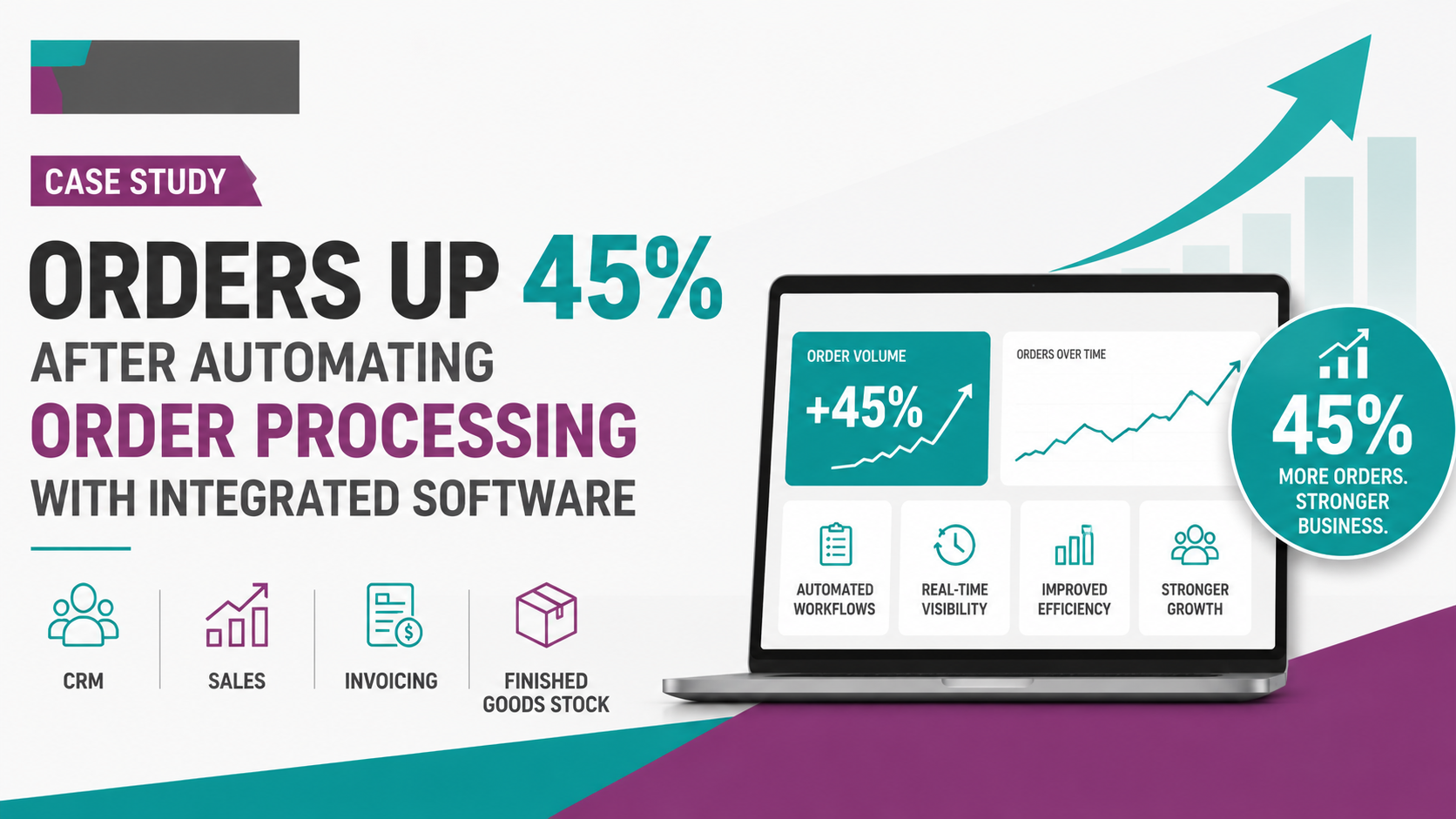
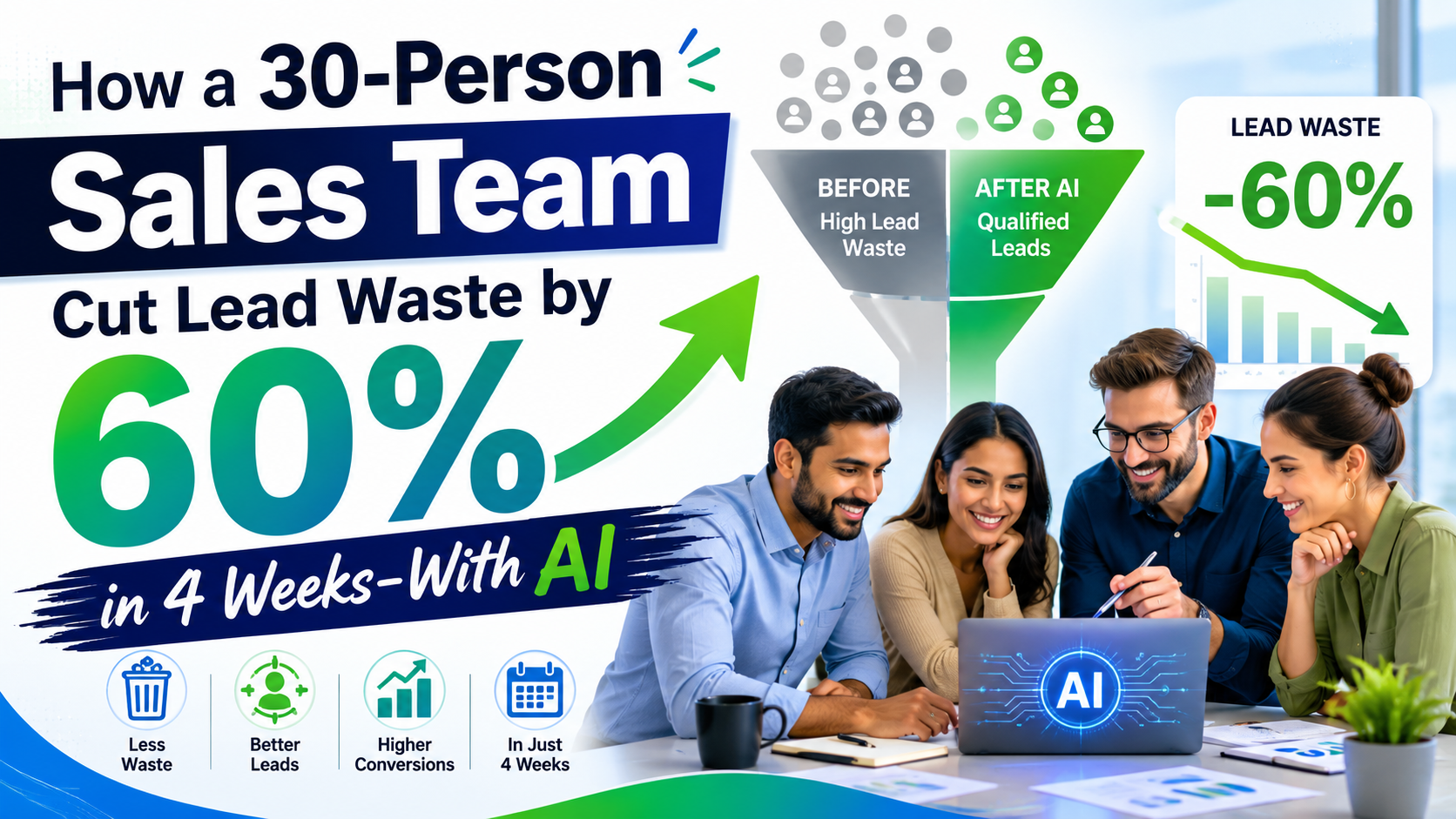
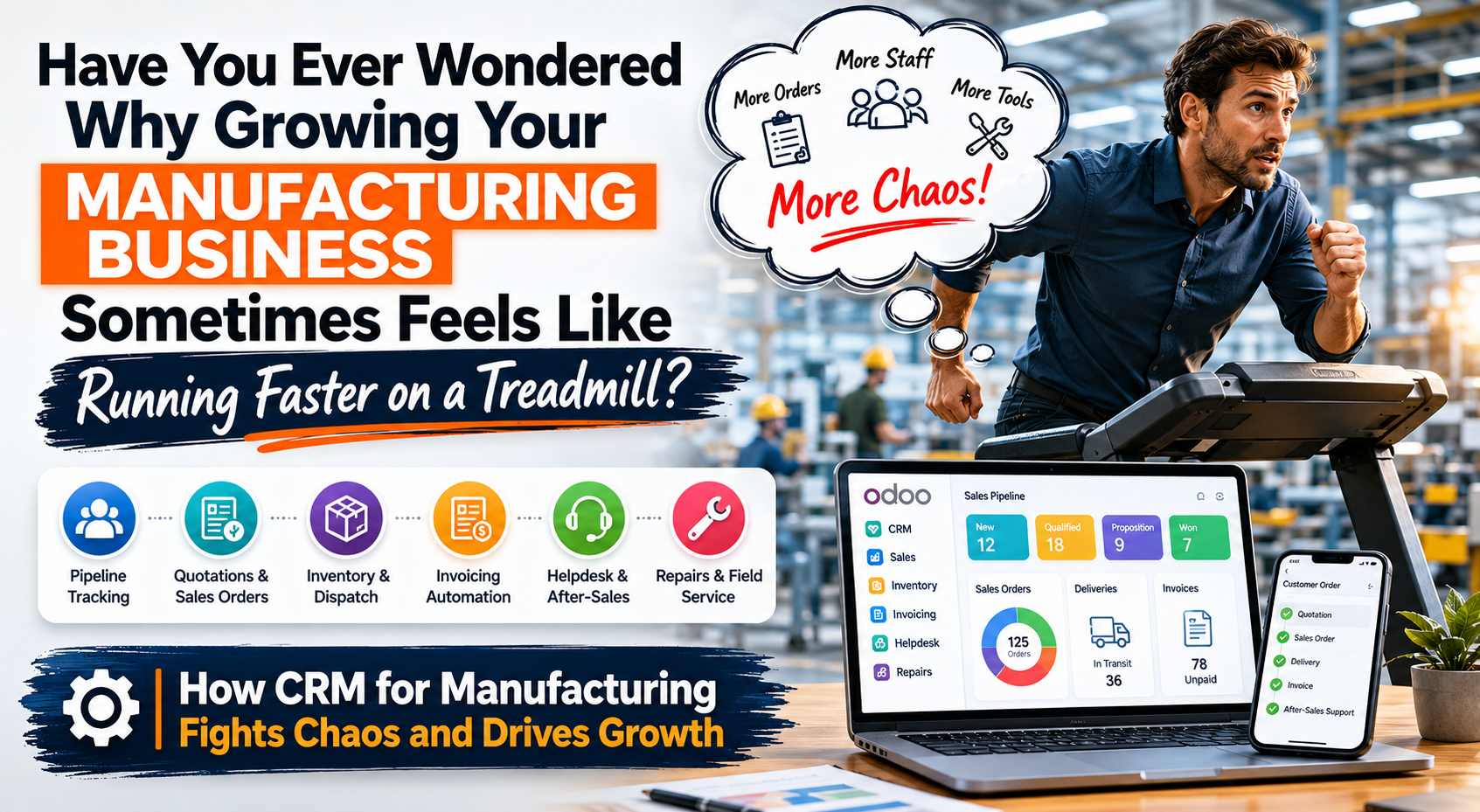

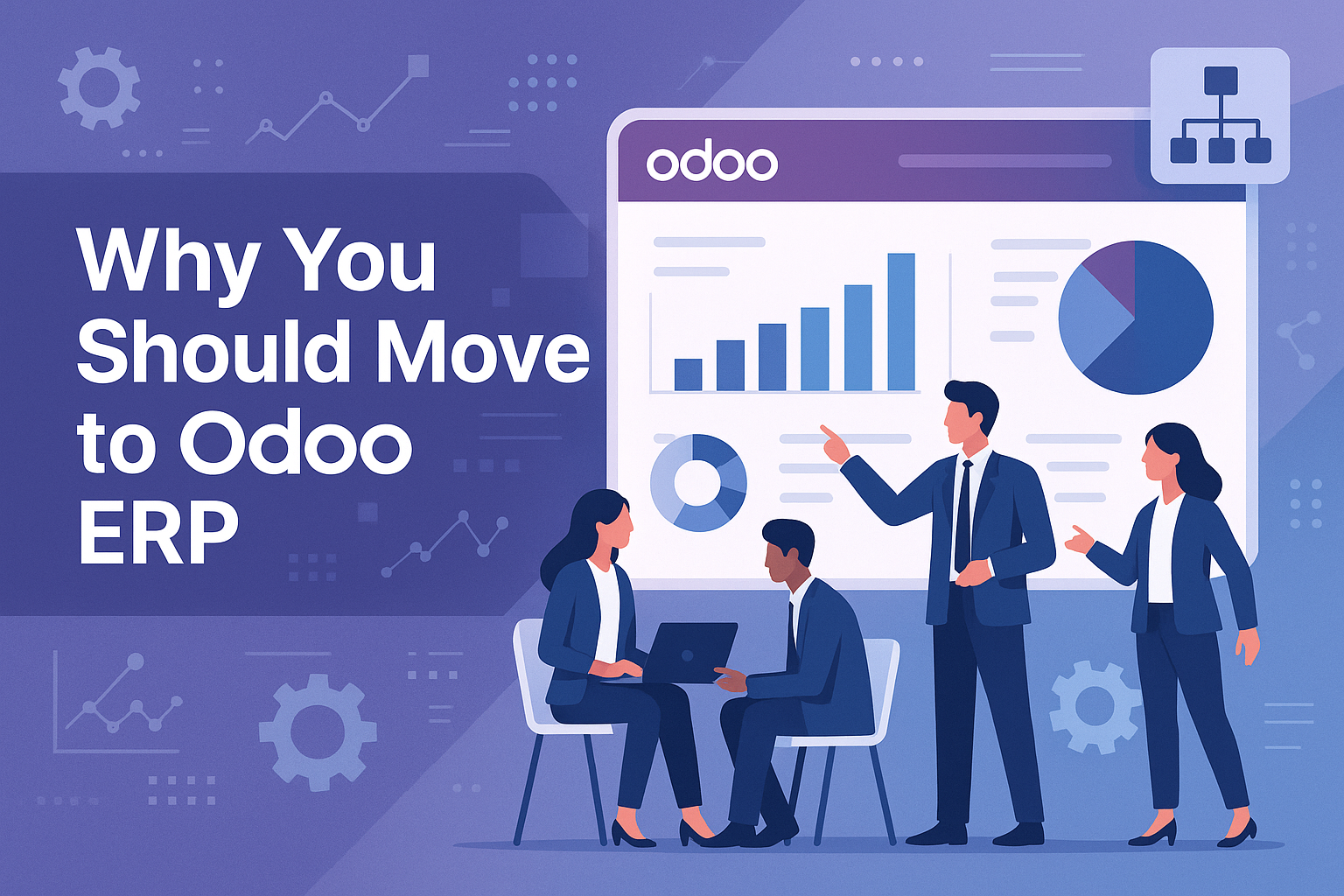

Businesses today operate in a highly competitive and fast-changing environment where efficiency, automation, and data visibility are essential for growth. Managing multiple departments with disconn