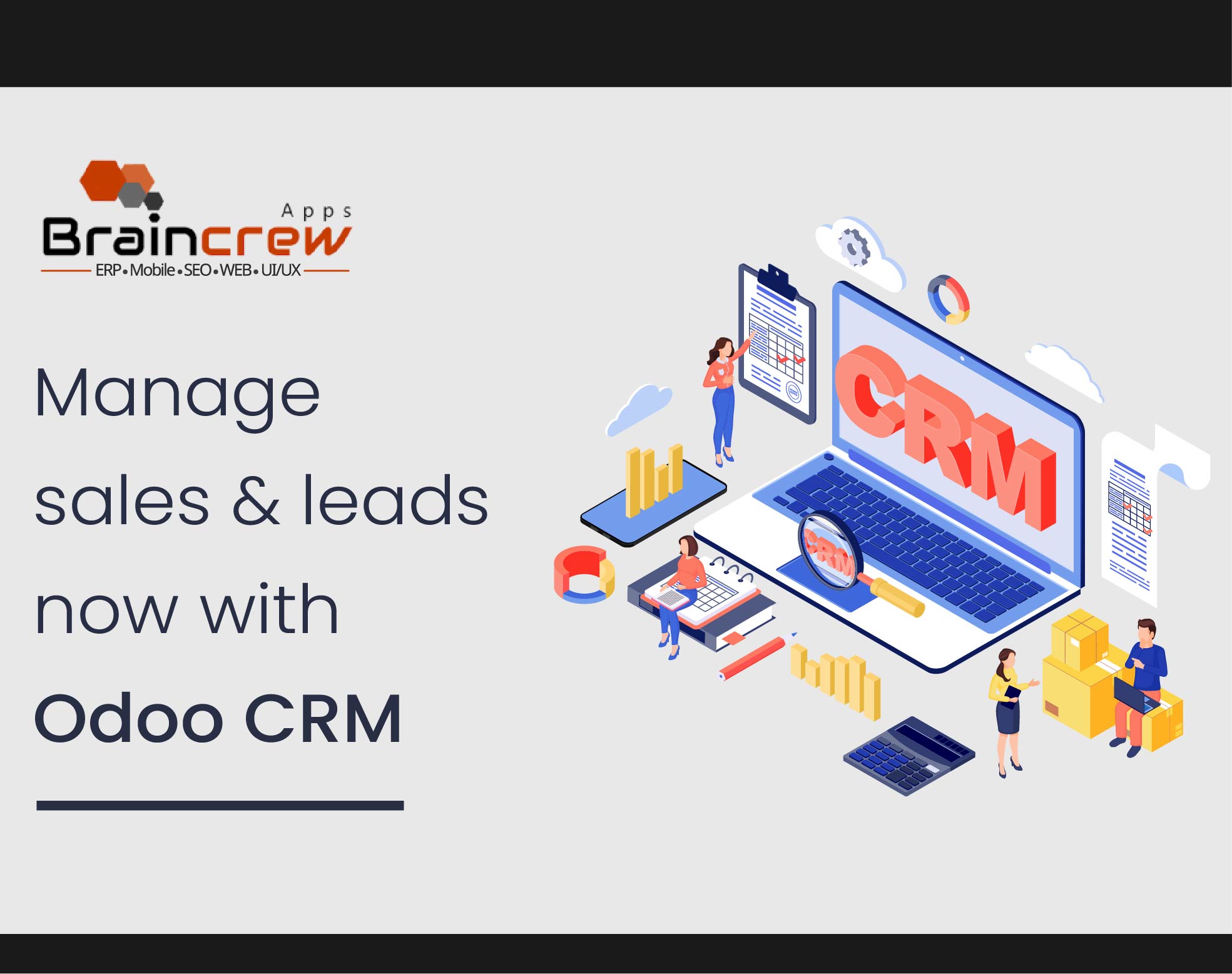



In today’s fast paced, hyper competitive economy, success is no longer measured only in terms of quarterly sales targets or the size of the pipeline. Customers expect more than transactions.
They expect consistent engagement, personalized experiences, and long term value. Businesses that fail to recognize this shift often find themselves struggling with customer churn, inconsistent growth, and declining market relevance.
This is where the role of Customer Relationship Management (CRM) expands far beyond tracking leads and closing deals. A modern CRM is no longer just a sales tool. It has evolved into a strategic growth enabler that allows organizations to measure success in holistic terms.
In this blog, we will explore the present scenario, the challenges businesses face, the broader solution that CRM offers, and finally, how Odoo CRM empowers organizations to go beyond sales and build measurable, sustainable success.
Measuring Success in a Changing Landscape
For decades, businesses defined success primarily through sales revenue, conversion ratios, and deal velocity. While these metrics remain important, they tell only part of the story.
Today’s business leaders realize that customer loyalty, retention, and advocacy are equally critical, sometimes even more so than raw sales numbers.
A few trends define the present landscape:
· Shifting customer expectations
Customers want seamless omnichannel experiences, instant support, and personalized offers.
· Rising competition
With more digital first players entering every industry, customer loyalty is harder to earn and even harder to maintain.
· Data abundance, insight scarcity
Organizations collect vast amounts of customer data, but much of it sits in silos, unused in decision making.
· Focus on sustainability
Companies increasingly value long term relationships over short term wins, as recurring revenue and customer lifetime value drive stability.
The new reality is clear. Closing a deal is only the beginning of the customer relationship, not the end.
The Problems with Traditional Measurement Approaches
Despite this shift, many organizations remain stuck in outdated success measurement models. The key problems are
· Overemphasis on short term sales KPIs
Businesses focus too heavily on metrics like deals closed this quarter, ignoring signals of long term health such as retention and engagement.
· Siloed departmental data
Sales, marketing, and customer service often operate in isolation, making it difficult to track the full customer journey. Without a unified system, insights are fragmented.
· Limited visibility into customer journeys
Most organizations struggle to answer questions like What touchpoints influenced this sale, Why did a customer churn, Which campaigns drive loyalty.
· Difficulty tracking customer success metrics
Metrics like Net Promoter Score, churn rate, or customer lifetime value are often missing from executive dashboards.
· Inconsistent reporting
Without a single source of truth, decision makers receive conflicting data from different departments, slowing down strategy and execution.
The result is that businesses operate reactively rather than proactively. They celebrate sales wins while missing warning signs of customer dissatisfaction.
The Broader Solution: CRM as a Strategic Growth Tool
The role of CRM has fundamentally changed. Modern CRM platforms are not just about managing leads and opportunities. They are about creating a single, actionable view of the customer that empowers organizations to make smarter, data driven decisions.
Here’s how CRM transforms success measurement
· Data Driven Decision Making
CRM centralizes customer data from sales, marketing, support, and finance, creating a complete picture that leaders can rely on for strategic decisions.
· 360 Degree Customer View
A robust CRM captures every customer touchpoint from initial inquiry to post sale support, ensuring no blind spots in the relationship.
· Customer Success Metrics
Modern CRM platforms allow businesses to measure KPIs beyond sales, such as lifetime value, churn rate, satisfaction scores, and upsell or cross sell ratios.
· Forecasting and Strategy Alignment
With predictive analytics and real time dashboards, CRM tools help organizations forecast trends and align teams toward customer centric objectives.
· Cross Departmental Collaboration
CRM breaks silos, ensuring marketing knows which campaigns convert, sales understands customer preferences, and service teams anticipate issues before they escalate.
Businesses that expand CRM use cases beyond sales achieve higher customer retention, increased profitability, and stronger brand loyalty.
Odoo CRM in Action: Measuring What Truly Matters
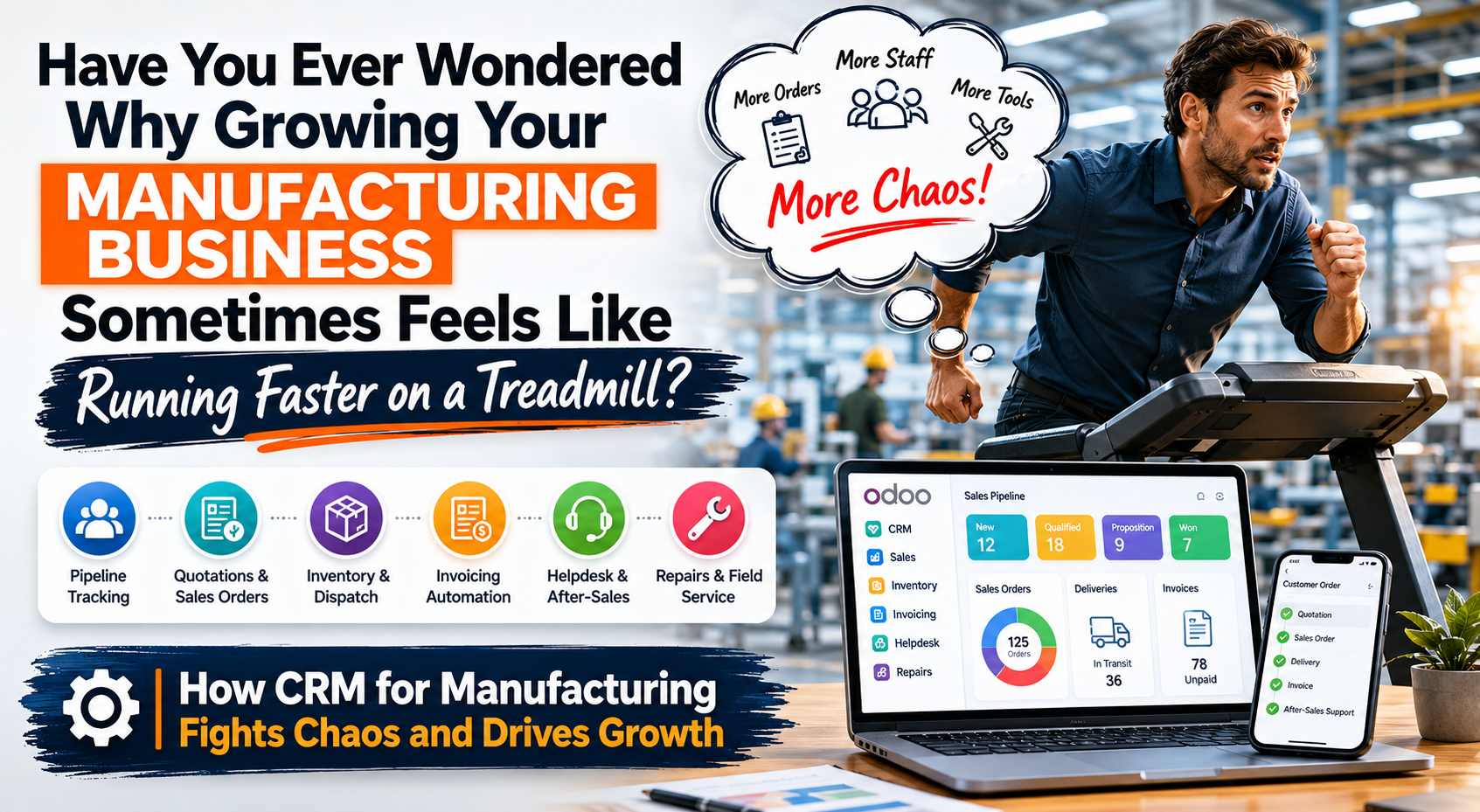
When it comes to moving beyond sales focused measurement, Odoo CRM offers one of the most comprehensive and flexible platforms.
Unlike traditional CRMs that remain sales centric, Odoo is built as a fully integrated business ecosystem.
This means organizations can track, measure, and optimize every customer related process across departments.
Unified Platform for Holistic Insights
Odoo CRM does not operate in isolation. It integrates seamlessly with Odoo’s Sales, Marketing Automation, Helpdesk, Invoicing, and Inventory apps. This provides leaders with a single source of truth across the customer journey.
Custom Dashboards and KPIs
· Executives can monitor real time KPIs such as
· Customer Lifetime Value
· Customer churn rate
· Average deal cycle length
· Marketing ROI per campaign
· Support response and resolution times
· Upsell and cross sell conversions
Advanced Analytics and Reporting
Odoo’s built in analytics provide actionable insights, helping leaders identify growth opportunities, forecast revenue, and proactively manage customer risks.
Automation for Efficiency
From lead nurturing to post sales engagement, Odoo CRM automates repetitive tasks, ensuring that teams focus on value driven customer interactions.
Scalability for All Business Sizes
Whether you are an SME seeking your first structured CRM or a large enterprise requiring deep customization, Odoo CRM adapts to your needs, eliminating the complexity of fragmented tools.
Real World Impact: Beyond the Numbers
· Adopting Odoo CRM for holistic success measurement creates tangible business impact
· Improved retention rates as businesses identify churn risks earlier and act before losing customers
· Stronger customer advocacy by tracking satisfaction and engagement to turn customers into brand ambassadors
· Higher revenue predictability with advanced forecasting that allows better planning for growth and investment
· Cross sell and upsell growth by giving sales teams complete customer insights to identify new opportunities
· A culture shift toward customer centricity as teams align around long term value creation instead of short term wins
Redefining Success in the Digital Age
In today’s business landscape, sales are no longer the finish line. They are the starting point. Organizations that continue to measure success only by revenue risk missing the bigger picture.
By embracing CRM as a strategic growth enabler, businesses can measure success in terms of loyalty, retention, and lifetime value, metrics that truly define sustainability.
Odoo CRM empowers organizations to achieve this shift with its integrated, flexible, and analytics driven platform. For decision makers, it is not just about investing in software. It is about building a culture of customer centricity backed by data and measurable outcomes.
In the digital economy, winning customers is easy. Keeping them and growing with them is what defines lasting success.
Ready to move beyond sales and measure what truly matters. Discover how our custom Odoo CRM solution can transform your customer success strategy.
Let’s start your journey today. Drop us a line at sales@apagen.com or call us on +91 9971800665.
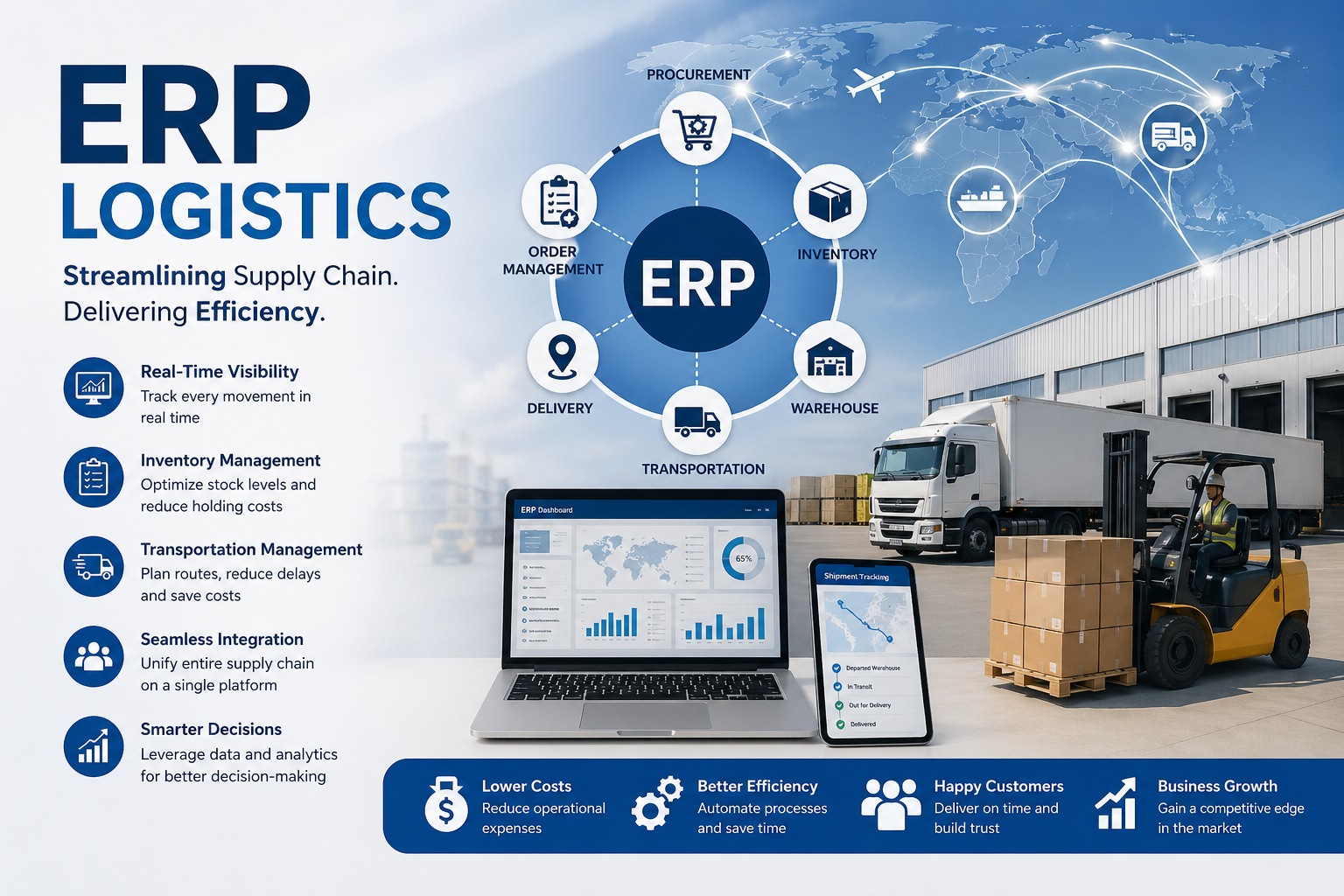
In a competitive business landscape, efficient logistics management is essential for success. Companies must handle inventory, warehousing, and transportation with precision to meet customer demand