

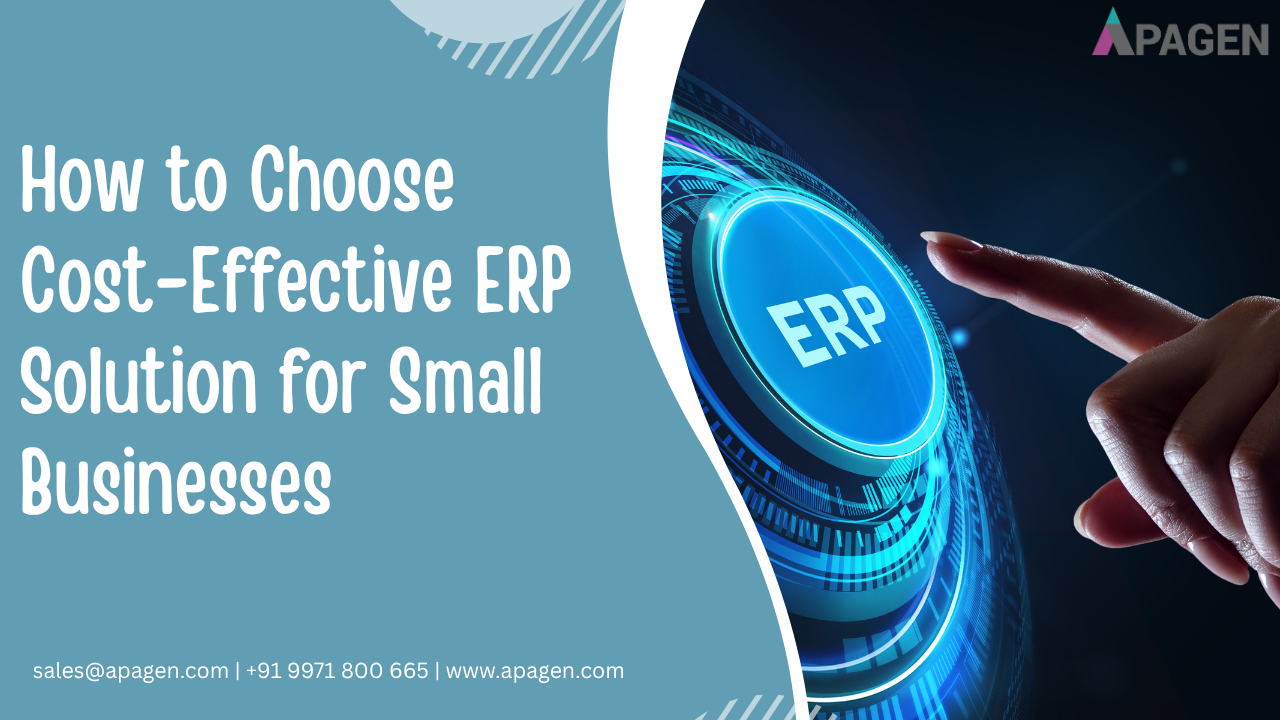
Why Small Businesses Need ERP
Small businesses often manage sales, inventory, accounting, and customer relations across multiple disconnected tools. This can result in:
- Delayed decision-making
- Operational inefficiencies
- Errors in invoices and inventory management
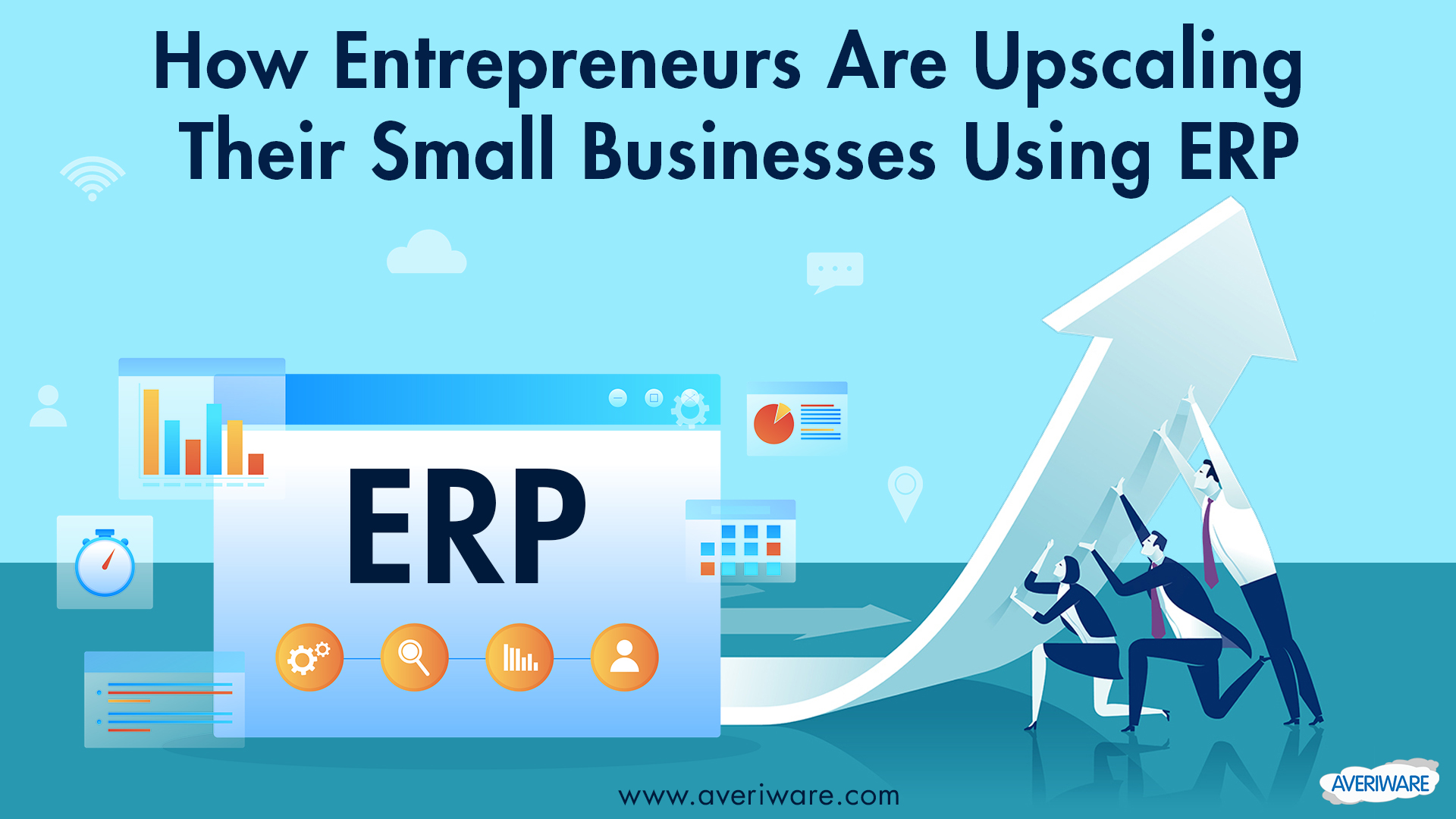
An ERP (Enterprise Resource Planning) system centralizes business operations, providing real-time visibility, automation, and better control over critical business processes.
Challenge: Traditional ERP systems often require heavy upfront investments, complex IT infrastructure, and technical expertise, barriers for small businesses.
With Apagen’s rental-based ERP model, small businesses can access enterprise-grade ERP capabilities without large initial costs or IT complexity, enabling scalability and operational efficiency from day one.
Understanding Rental-Based ERP
A Rental-Based ERP is a cloud-hosted solution offered on a subscription model, where businesses access only the modules they need.
Key Advantages for Small Businesses:
- Low Barrier to Entry: Start with essential modules and expand as the business grows.
- Scalable & Flexible: Add or remove modules as operational needs evolve.
- Zero IT Maintenance: Apagen handles updates, backups, and system reliability.
- Remote Accessibility: Cloud-based access ensures teams can operate efficiently from anywhere.
Rental-Based ERP approach, leveraging Odoo, allows small businesses to start with modules like Sales, Invoicing, Inventory, and CRM, and expand to Project Management, HR, or Manufacturing as needed.
Step-by-Step Guide to Choosing the Right ERP
Step 1: Assess Your Business Needs
- Identify core business processes: Sales, Inventory, Accounting, CRM.
- Highlight pain points: stock discrepancies, delayed reporting, invoice errors.
- Focus on features that will directly improve efficiency and revenue.
Start with modules that impact business-critical operations and plan for gradual expansion.
Step 2: Evaluate ERP Vendors
Key considerations when selecting a Rental-Based ERP partner:
- Industry expertise and track record
- Cloud-hosted, modular solutions with flexible subscription models
- Ease of integration with existing tools and processes
- Reliable support, training, and onboarding
Apagen’s team provides end-to-end guidance, from providing a solution, module configuration to deployment and continuous support, ensuring a smooth transition for small businesses.
Step 3: Define Scope & Select Modules
- Begin with essential modules: Sales, CRM, Inventory, Invoicing.
- Avoid overcomplicating the system with unnecessary features.
- Consider future needs: HR, Project Management, and Manufacturing modules can be added later as the business grows.
Step 4: Prepare for Implementation
- Organize existing data: customer records, inventory, supplier information.
- Set up user roles and access permissions to align with responsibilities.
- Define a realistic timeline for deployment and onboarding.
Step 5: Train Your Team
- Conduct role-based training to ensure smooth adoption and minimize errors.
- Leverage Apagen’s tutorials, guides, and dedicated support team.
- Encourage feedback for continuous improvement and early issue resolution.
Step 6: Monitor, Optimize, and Scale
- Track key operational metrics: order processing time, stock accuracy, invoice efficiency, and sales performance.
- Gradually add modules based on operational needs and business growth.
- Use analytics for informed decision-making and process optimization.
Common Pitfalls & How to Avoid Them
- Overbuying Modules: Only implement modules that align with immediate needs.
- Neglecting Training: ERP adoption requires staff engagement to maximize benefits.
- Ignoring Integration: Ensure ERP integrates seamlessly with existing tools (POS, eCommerce, payroll).
- Limited Scalability Planning: Choose a system that grows with your business to avoid future disruptions.
Takeaways:
- Rental-Based ERP is a cost-effective, scalable, and practical solution for small businesses.
- Start small, focus on critical modules, and expand gradually.
- Cloud-based solutions eliminate IT complexity and allow teams to focus on growth.
Apagen’s Rental ERP approach ensures small businesses can implement ERP efficiently, with expert guidance, flexible modules, and minimal operational disruption.
To know more drop us a line at sales@apagen.com or call us at +91 9971800665.