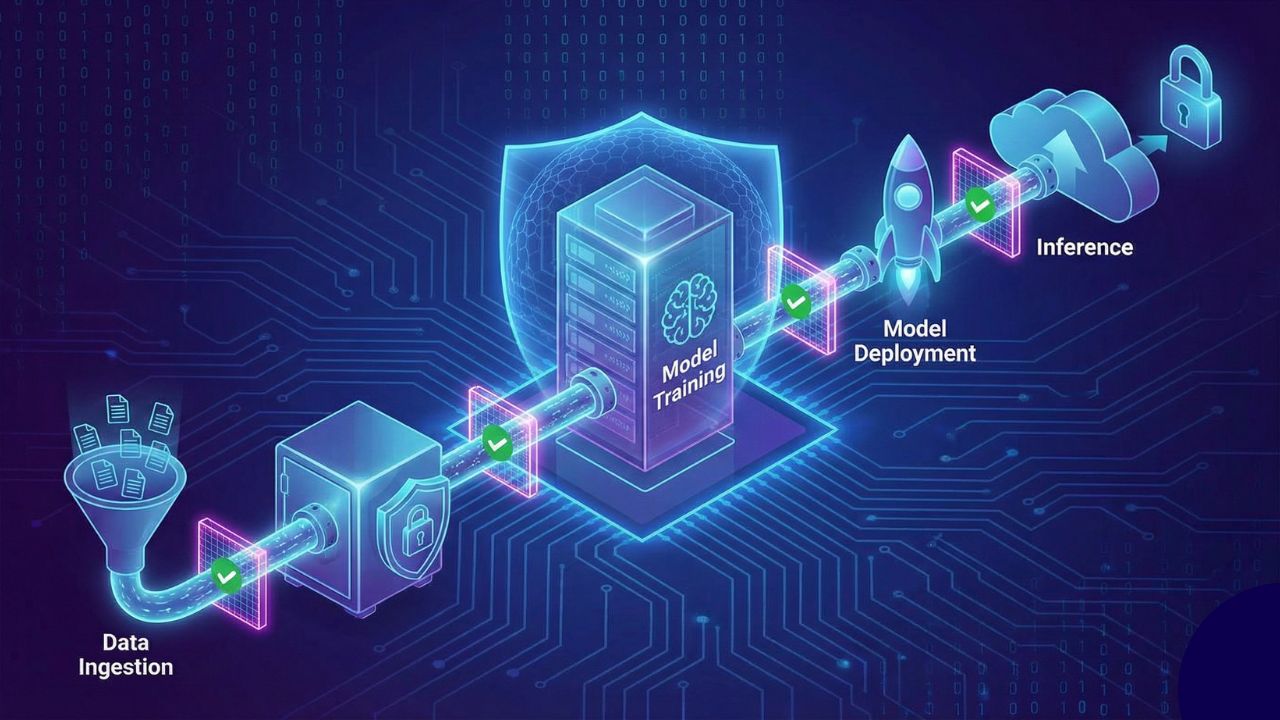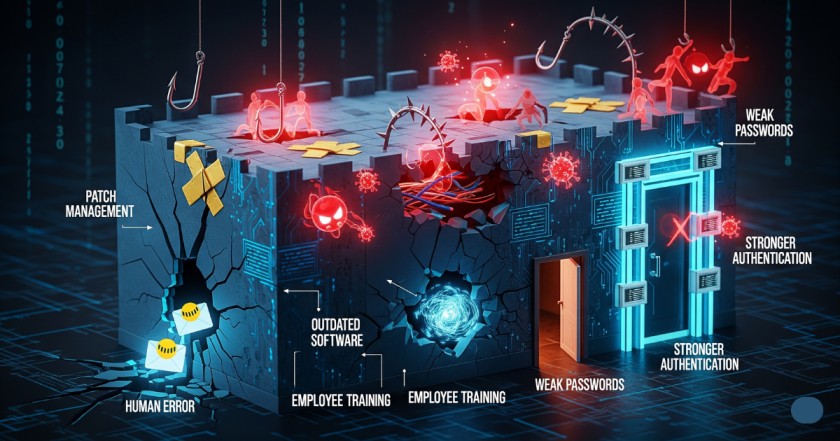



Security in software development often starts with good intentions but falls short without a clear path forward. Secure-coding workshops give developers the tools to write safer code, but true protection requires layering defenses across the entire system from design to deployment and beyond. This roadmap outlines actionable steps to bridge that gap, turning initial training into a comprehensive strategy. Based on established practices like OWASP and CERT guidelines, it helps teams build resilient applications without overwhelming daily workflows.
1. Build a Strong Foundation: Secure-Coding Workshops and Training
Kick off by equipping your team with the basics through targeted workshops. Focus on hands-on sessions covering OWASP Top 10 risks, like injection attacks or broken access controls, using real code examples in languages like Python or Java. Aim for 4-8 hours per session, with exercises on input validation and error handling to make concepts stick.
Follow up with ongoing training: Require annual refreshers and integrate quick tips into stand-ups. Tools like Secure Code Warrior offer gamified challenges to keep skills sharp. Measure success by tracking pre- and post-workshop quizzes or reduced low-hanging vulnerabilities in code reviews. This step ensures developers spot issues early, setting the stage for broader security integration.
2. Embed Security Early: Threat Modeling and Secure Design
Move from individual coding skills to system-level thinking with threat modeling workshops. Gather developers, architects, and ops early in projects to map data flows, identify assets (like user databases), and brainstorm attacks using frameworks like STRIDE (Spoofing, Tampering, etc.). Tools such as Microsoft Threat Modeling Tool make this collaborative and visual.
Incorporate secure design principles: Adopt least privilege access, minimize attack surfaces by limiting open ports, and default to secure configurations (e.g., HTTPS everywhere). Review designs for flaws before coding starts, perhaps in a 1-hour peer session. This "shift left" approach catches 50-70% more issues upfront, per industry benchmarks, preventing costly rewrites later.
3. Automate Checks in Development: Code Reviews and Pipeline Security
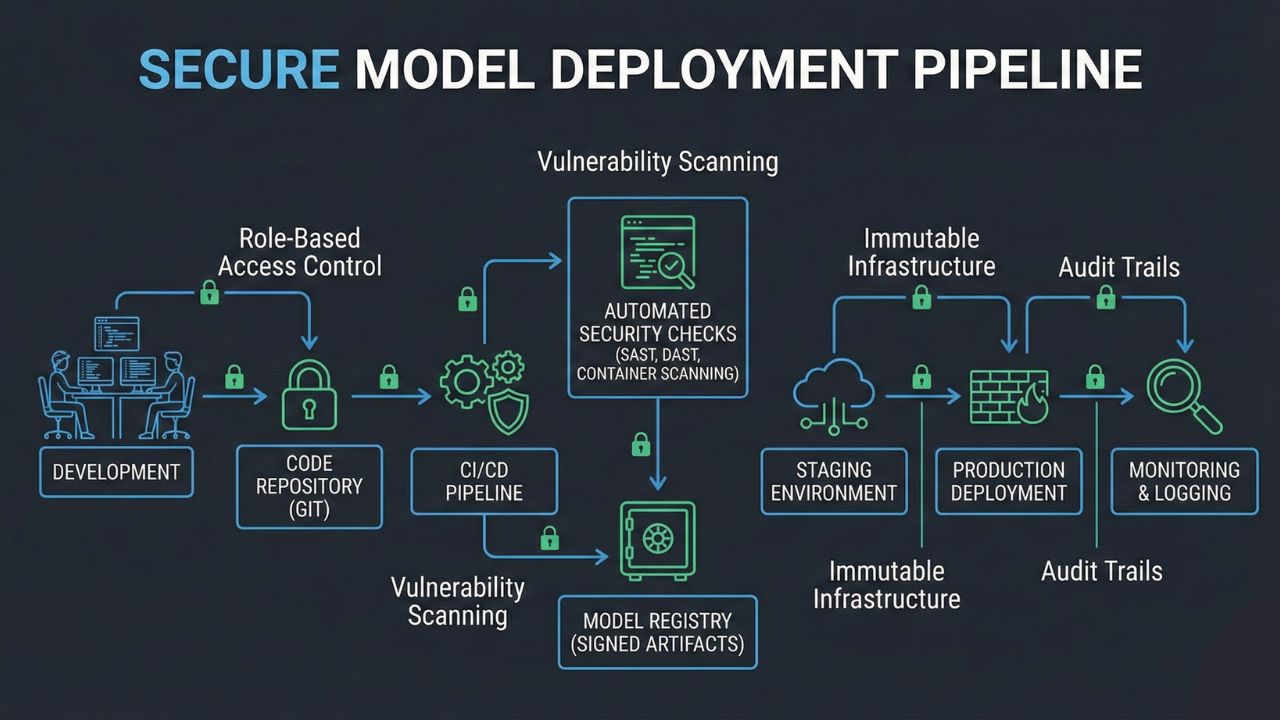
With skills and designs in place, automate security into your CI/CD pipeline. Start with static analysis tools like SonarQube or Snyk during commits to scan for vulnerabilities, hard-coded secrets, and dependency risks. Add dynamic scans with OWASP ZAP in testing stages to simulate real attacks.
Mandate peer code reviews focusing on security use checklists from CERT's top practices, like sanitizing all inputs and avoiding eval functions. Integrate these as gates: Fail builds on critical issues but allow low-severity ones with tickets. For IaC (Infrastructure as Code), tools like Checkov flag misconfigurations. This layer ensures clean code flows to production, reducing escapees by up to 90% with consistent use.
4. Test and Validate: Comprehensive Security Testing
Before deployment, layer in testing to probe for weaknesses. Combine unit tests for secure functions (e.g., password hashing) with integration tests for APIs. Run penetration testing quarterly or after major changes, hiring ethical hackers or using platforms like BreachLock to uncover exploits.
Include fuzzing for edge cases and manual reviews for complex logic. Track coverage with metrics like vulnerability density per 1,000 lines of code. Address findings promptly: Prioritize by risk (using CVSS scores) and retest fixes. This step validates your system's resilience, catching what automation misses and building confidence for release.
5. Secure Deployment and Operations: Runtime Protection and Monitoring
Deployment isn't the end protect the live system with runtime defenses. Use API gateways with WAFs (Web Application Firewalls) like ModSecurity to filter traffic, and implement secrets management via vaults (e.g., HashiCorp Vault) for dynamic credentials. Enable logging for all security events, feeding into SIEM tools like Splunk for anomaly detection.
Set up automated patching and config monitoring to handle drifts. Conduct regular audits against standards like ISO 27001. For incidents, have a response plan with defined roles. This operational layer ensures ongoing protection, minimizing breach impacts through quick detection and isolation.
6. Foster a Security Culture: Continuous Improvement
Wrap it all in a culture of shared responsibility. Form a cross-functional security champion program where devs advocate for best practices. Gather feedback via retrospectives after each sprint, refining your roadmap based on what works.
Track overall maturity with metrics like mean time to remediate vulnerabilities or breach simulation success rates. Celebrate wins, like a clean pen test, to keep momentum. Revisit workshops annually, evolving with threats like AI-driven attacks. This ongoing loop turns security from a checkbox into a habit.
To gain strong knowledge in AI Security, join the Modern Security IO AI Security Certification Course.
Final Thoughts
This roadmap transforms secure-coding workshops into a holistic shield, covering every layer from code to cloud. Start small pilot with one team then scale, adjusting based on your stack and risks. With consistent effort, you'll not only meet compliance but create software that's tough against real-world threats. Security isn't a project; it's how you build, and this path makes it practical and effective.