Finding relief from anxiety often involves more than one approach. While some people find success through talk therapy alone, others benefit from adding medication to their treatment plan. The best outcomes typically come from a balanced combination of both strategies, where emotional and physiological factors are treated together. Understanding how Anxiety Treatment & Medication services work hand-in-hand can empower you to make informed decisions and achieve lasting relief.
Understanding Anxiety and Its Effects
Anxiety is a natural response to stress, but when it becomes chronic, it can interfere with work, relationships, and daily functioning. Symptoms might include excessive worry, irritability, muscle tension, or racing thoughts. Physically, anxiety can cause headaches, restlessness, or sleep disturbances.
Because anxiety affects both the mind and body, it makes sense that effective treatment should address both. Therapy helps you understand and manage your emotional triggers, while medication can balance brain chemistry to reduce the intensity of symptoms. Together, these approaches can provide comprehensive support for your mental well-being.
Why Combining Therapy and Medication Works
1. Addressing Both Mind and Body
Therapy focuses on identifying patterns of thought and behaviour that contribute to anxiety, helping you build healthier responses to stress. Medication, on the other hand, targets biological imbalances that may intensify anxiety. This dual approach ensures that both the root causes and physical symptoms are managed effectively.
2. Improved Treatment Outcomes
Research consistently shows that individuals who combine therapy with medication often experience better outcomes than those who rely on one method alone. The synergy between the two treatments can accelerate progress, helping patients regain control of their lives more quickly.
3. Building Long-Term Resilience
Therapy provides lifelong skills like emotional regulation, communication, and coping strategies that remain valuable even after medication is reduced or discontinued. In essence, medication can help stabilize you enough to fully engage in therapy, and therapy helps sustain progress once medication is no longer needed.
Types of Therapy Commonly Used for Anxiety
Cognitive Behavioural Therapy (CBT)
CBT is one of the most effective forms of therapy for anxiety. It focuses on recognizing negative thinking patterns and replacing them with healthier, more realistic thoughts. By challenging distorted beliefs, CBT helps reduce the frequency and intensity of anxious feelings.
Mindfulness-Based Therapy
This approach encourages present-moment awareness without judgment. By focusing on breathing and grounding exercises, mindfulness therapy helps individuals detach from spiralling thoughts that fuel anxiety.
Exposure Therapy
For individuals with phobias or panic disorders, exposure therapy helps reduce fear responses through gradual, controlled exposure to anxiety triggers.
Acceptance and Commitment Therapy (ACT)
ACT focuses on accepting thoughts and emotions instead of fighting them. Patients learn to live meaningfully even in the presence of discomfort, reducing anxiety’s overall impact.
Medications Commonly Used for Anxiety
Medication doesn’t cure anxiety, but it can reduce symptoms enough for therapy to be more effective. Commonly prescribed options include:
Selective Serotonin Reuptake Inhibitors (SSRIs): Such as sertraline (Zoloft) or fluoxetine (Prozac), which help regulate serotonin levels.
Serotonin-Norepinephrine Reuptake Inhibitors (SNRIs): Like venlafaxine (Effexor XR) or duloxetine (Cymbalta), which affect both serotonin and norepinephrine.
Benzodiazepines: Such as alprazolam (Xanax) or lorazepam (Ativan), prescribed short-term for acute anxiety.
Buspirone: A non-addictive option that helps with chronic anxiety.
Beta-Blockers: Often used to control physical symptoms like rapid heartbeat or trembling.
Your healthcare provider will consider factors such as symptom severity, medical history, and response to past treatments before recommending medication.
The Process of Combining Therapy and Medication
Step 1: Assessment
Your provider will start by assessing your symptoms, lifestyle, and overall health to create a tailored plan. This may include mental health screenings or questionnaires to gauge severity.
Step 2: Creating a Treatment Plan
You and your provider will discuss which therapies and medications best align with your needs. Clear communication is essential at this stage—share any concerns about side effects, costs, or time commitments.
Step 3: Implementation and Monitoring
Once you begin treatment, regular follow-ups are important. Your provider will monitor medication effectiveness, therapy progress, and any side effects. Adjustments are common and part of finding the right balance.
Step 4: Evaluating Progress
As symptoms improve, you may gradually reduce medication under supervision while continuing therapy to maintain progress. This careful approach minimizes relapse risk and supports long-term recovery.
Benefits of a Combined Approach
Faster Symptom Reduction: Medication can relieve severe symptoms quickly, allowing you to engage more fully in therapy.
Improved Self-Awareness: Therapy helps you understand the emotional and behavioural aspects of anxiety, fostering self-growth.
Reduced Relapse Risk: Combining both methods lowers the likelihood of symptoms returning after treatment ends.
Comprehensive Support: You receive both medical and emotional guidance, addressing anxiety from multiple angles.
The Role of Healthcare Professionals in Anxiety Care
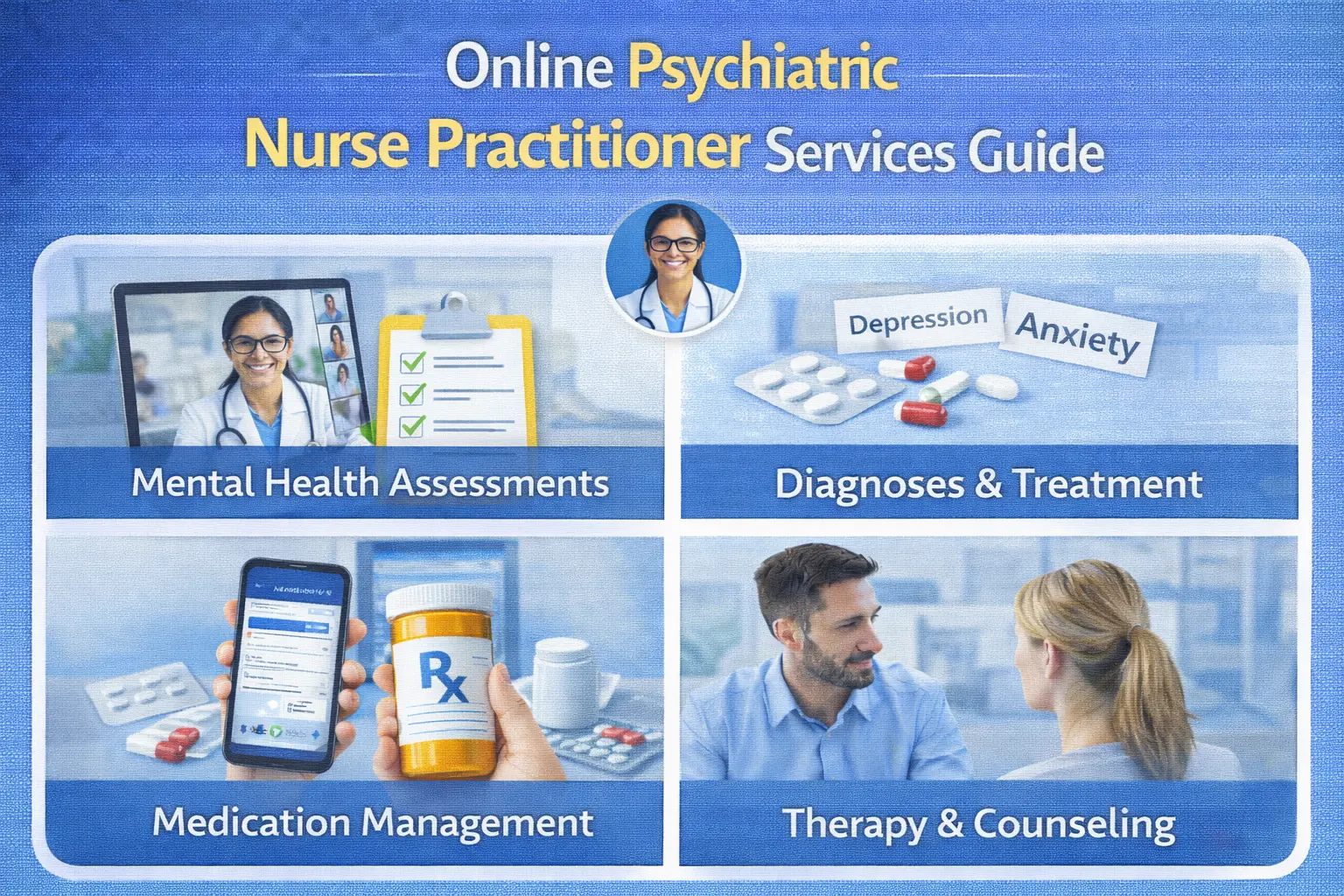
Your treatment success often depends on finding a skilled and empathetic provider. Nurse practitioners, psychiatrists, and therapists frequently collaborate to ensure you receive well-rounded care. If you’re considering Seeing a Nurse for Anxiety, know that many nurse practitioners are trained in both therapy and medication management. They take a holistic approach, considering not just symptoms but also underlying physical and emotional health.
Nurse practitioners can serve as an accessible entry point into anxiety treatment, particularly for those seeking personalized and patient-cantered care.
Common Concerns About Combining Treatments
“Will I have to take medication forever?”
Not necessarily. Many patients use medication temporarily while developing long-term coping skills in therapy. Your provider will help determine when and how to taper off safely.
“Are there risks to combining therapy and medication?”
When monitored correctly by a licensed provider, this approach is generally safe and highly effective. Open communication about side effects or lifestyle changes ensures ongoing safety.
“What if therapy alone isn’t working?”
It’s common for therapy to take time. Adding medication can make symptoms more manageable, allowing you to engage more productively in your sessions.
How to Stay Engaged in Your Treatment
Consistency is key to success. Attend therapy sessions regularly, take medications as prescribed, and communicate openly with your provider about any challenges. Tracking your progress through journaling or self-assessment tools can help you recognize small but meaningful improvements.
Support systems like friends, family, or peer groups also play an essential role in maintaining motivation and accountability throughout the healing process.
When to Seek Professional Help
If anxiety begins to interfere with daily life, work performance, or relationships, it’s time to reach out for professional support. Early intervention can prevent symptoms from worsening and increase your chances of recovery.
Look for providers who emphasize collaborative care and offer integrated treatment options. Accessing professional help is a sign of strength it shows your willingness to invest in your mental well-being.
Taking the Next Step Toward Relief
Anxiety doesn’t have to define your life. With the right combination of therapy and medication, recovery is entirely possible. Working with a compassionate team can help you regain stability, confidence, and peace of mind.
For personalized support, Serenity Telehealth offers expert guidance in managing anxiety through evidence-based therapy and medication management. Their experienced clinicians provide flexible and accessible care options for individuals seeking an Online Psychiatric in New York service that truly prioritizes patient well-being.