

In the world of marine propulsion, precision and reliability are the lifeblood of engine performance. Among the many components that ensure efficient operation, piston compression rings play a critical role in maintaining the power, efficiency, and durability of ship engines. Understanding the science behind these small yet powerful components provides deeper insight into the engineering excellence that drives modern maritime technology.
Understanding Piston Compression Rings
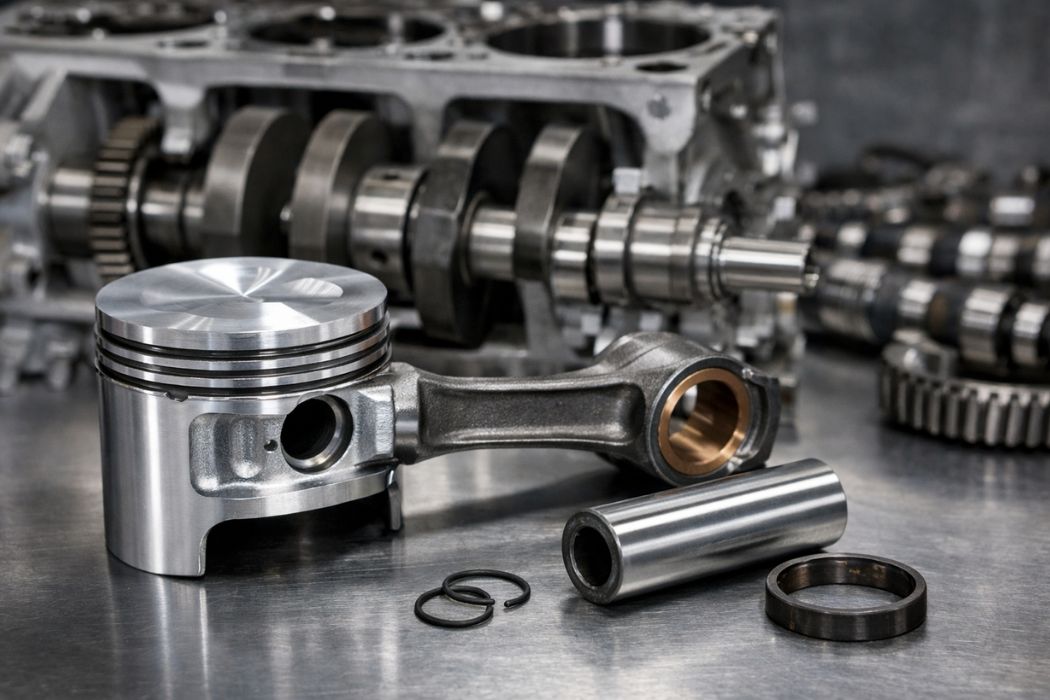
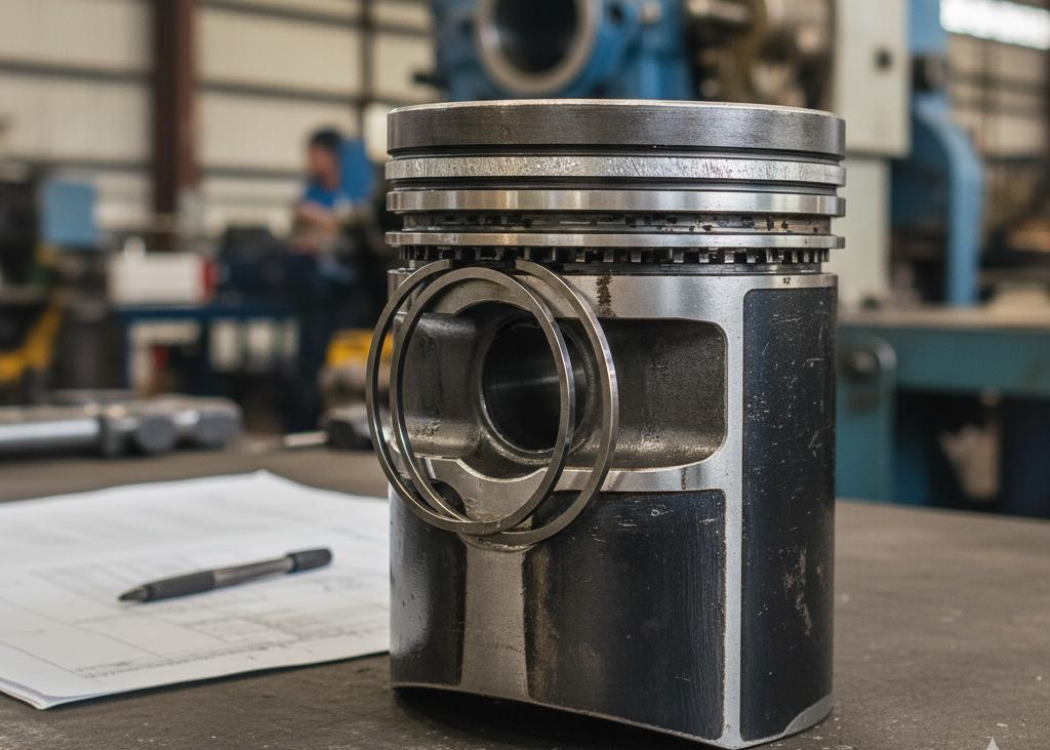
Piston compression rings are circular metallic bands fitted into the grooves of the piston. Their primary function is to create a tight seal between the piston and the cylinder wall, preventing combustion gases from escaping and ensuring that maximum pressure is exerted on the piston during combustion. This tight seal directly influences the engine’s compression ratio, fuel efficiency, and overall performance.
In large marine engines, where high pressures and temperatures are constant, compression rings must endure extreme conditions. They are typically made from high-strength cast iron or alloy steel, often coated with wear-resistant materials like chromium, molybdenum, or ceramic compounds to reduce friction and extend operational life.
How Compression Rings Work in Ship Engines
During the combustion cycle, the piston moves up and down inside the cylinder. The compression rings ensure that the combustion pressure generated above the piston is not lost through leakage. This helps the engine maintain optimal compression, enabling complete fuel combustion and maximizing power output.
In addition to sealing combustion gases, piston rings also play a vital role in regulating oil consumption. They scrape excess oil from the cylinder walls, ensuring proper lubrication while preventing oil from entering the combustion chamber. This balance keeps the engine running smoothly and reduces emissions.
Ship engines generally employ multiple rings, typically two compression rings and one oil control ring. The upper compression ring faces the highest pressure and temperature, providing the main gas seal, while the second ring assists in compression control and oil management.
Engineering Design and Performance Factors
The design of piston compression rings for marine engines is a sophisticated process. Engineers must consider factors such as:
- Thermal expansion and deformation: Rings must retain their shape and sealing efficiency even when exposed to extreme heat.
- Material hardness and coating: High-grade alloys and surface coatings minimize wear and friction, extending maintenance intervals.
- Ring tension and clearance: Proper tension ensures the ring presses adequately against the cylinder wall without causing excessive wear or power loss.
Advancements in metallurgy and precision manufacturing have allowed the development of rings with superior sealing capabilities and longer service life. The evolution of these designs has played a major role in improving marine engine efficiency and reducing operational costs.
Importance in Marine Engine Efficiency
Piston compression rings are directly linked to fuel economy and emission control. Efficient sealing ensures that the full combustion energy is converted into mechanical work, minimizing energy losses. Poorly maintained or worn-out rings can lead to reduced compression, increased oil consumption, and excessive smoke all of which negatively affect engine performance and environmental compliance.
Regular inspection and replacement of piston rings are essential for maintaining peak performance in marine engines. Many modern ships rely on advanced diagnostic systems to monitor engine compression levels, enabling timely maintenance and reducing downtime.
Innovation and Future Trends
With the marine industry’s growing focus on sustainability, piston ring technology continues to evolve. Research is ongoing to develop low-friction coatings, self-lubricating materials, and designs that enhance sealing under variable fuel types, including LNG and biofuels. These innovations contribute to cleaner combustion and improved efficiency, supporting global efforts toward greener maritime operations.
As an advanced marine engineering solutions provider, continuous improvements in piston ring design reflect a commitment to performance, durability, and environmental responsibility.
Conclusion
Though small in size, piston compression rings are fundamental to the efficiency and longevity of ship engines. Their ability to maintain compression, control lubrication, and withstand harsh conditions makes them indispensable in marine engineering. Understanding their science not only enhances maintenance practices but also supports the ongoing pursuit of cleaner and more efficient marine propulsion systems.