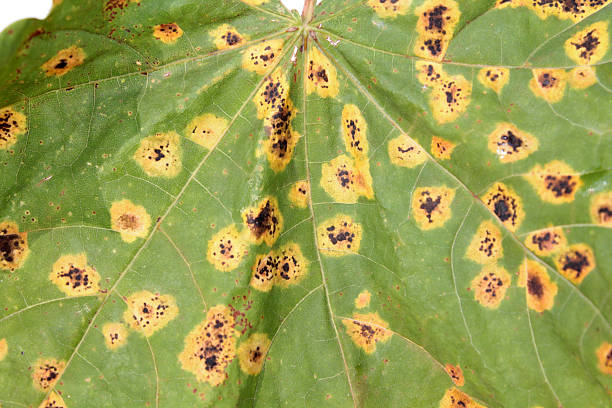
Mulberry trees (Morus species) are beloved for their fast growth, lush foliage, and sweet, nutritious fruits. Healthy mulberry trees display vibrant green leaves throughout the growing season. However, if you notice your tree’s leaves turning yellow, it can be a cause for concern. Yellowing leaves, also called chlorosis, often indicate stress or underlying issues that, if left untreated, can affect the tree’s growth, fruit production, and overall health.
1. Nutrient Deficiency: The Most Common Cause
One of the most frequent causes of yellowing leaves is a nutrient imbalance. Mulberry trees require a range of macro- and micronutrients to thrive:
• Nitrogen (N): Essential for leaf growth and deep green color. Nitrogen deficiency often results in pale, yellow leaves starting from older growth.
• Iron (Fe): Important for chlorophyll production. Iron deficiency causes interveinal chlorosis, where the tissue between veins turns yellow while veins remain green.
• Magnesium (Mg) and Manganese (Mn): Deficiency can also result in yellowing, sometimes with leaf edges curling or showing brown spots.
How to fix nutrient deficiency:
• Apply a balanced fertilizer with nitrogen, phosphorus, and potassium (NPK).
• For iron or micronutrient deficiencies, use chelated iron sprays or soil amendments.
• Conduct a soil test to determine exact deficiencies before adding supplements.
2. Overwatering and Poor Drainage
Mulberry trees do not like waterlogged soil. Excess water can suffocate roots, reduce oxygen and interfere with nutrient uptake. The result is yellowing leaves, often accompanied by wilting, drooping, or leaf drop.
Signs of overwatering:
• Soil feels soggy or waterlogged for several days
• Leaves yellow uniformly rather than in patterns
• Root base may show signs of rot or fungal growth
Solutions:
• Ensure soil drains well and avoid planting in low-lying, waterlogged areas.
• Reduce watering frequency, especially in rainy seasons.
• Consider adding organic matter or sand to heavy clay soils to improve drainage.
3. Underwatering and Drought Stress
Conversely, lack of water can also cause yellowing leaves, typically starting at the tips or edges. Mulberry trees require consistent moisture, particularly during fruiting or hot summer months.
Signs of underwatering:
• Leave curl, wilt, or become dry and brittle
• Leaf yellowing appears on younger leaves first
• Fruit may fail to develop or drop prematurely
Solutions:
• Water deeply once or twice a week, depending on rainfall and soil type.
• Apply mulch around the base of the tree to retain soil moisture.
• Ensure newly planted trees are watered more frequently until established.
4. Pests and Insect Damage
Mulberry trees can attract a variety of pests, some of which feed on leaves or sap, causing yellowing or stippling:
• Aphids: Sap-sucking insects that cluster on leaf undersides, causing yellow spots and curling.
• Whiteflies: Small flying insects that weaken leaves by removing sap and leaving behind sticky honeydew.
• Spider mites: Tiny arachnids that create fine webbing and cause leaves to appear pale or yellow.
How to control pests naturally:
• Introduce beneficial insects like ladybirds and lacewings.
• Spray affected leaves with insecticidal soap or neem oil.
• Regularly inspect trees and prune heavily infested branches.
5. Fungal or Bacterial Infections
Yellow leaves can also be a symptom of disease. Common problems include:
• Root rot: Caused by waterlogged soil and fungal pathogens like Phytophthora. Leaves turn yellow and may drop prematurely.
• Leaf spot diseases: Caused by fungi or bacteria, leading to yellowing areas with brown spots.
• Powdery mildew: White fungal coating can indirectly stress leaves, leading to yellowing.
Management:
• Remove and destroy infected leaves to prevent spread.
• Ensure good air circulation by pruning dense areas.
• Apply fungicides when necessary, following label instructions.
6. Environmental Stressors
Mulberry trees respond to environmental changes with leaf yellowing. Stressors include:
• Temperature extremes: Sudden cold snaps or intense heat can shock leaves.
• Transplant shock: Newly planted trees often experience temporary yellowing as roots establish.
• Excessive sun exposure: Young or previously shaded trees may yellow when exposed to full sun.
Tips to reduce environmental stress:
• Gradually acclimate young trees to sunlight.
• Provide shade cloth during heatwaves if needed.
• Avoid pruning during extreme temperature periods.
7. Soil pH Imbalance
Mulberry trees prefer slightly acidic to neutral soil (pH 6.0–7.0). If the soil becomes too alkaline, it can lock out nutrients like iron and manganese, causing interveinal chlorosis (yellowing between veins).
How to correct soil pH:
• Conduct a soil test to determine pH levels.
• Amend acidic soils with lime or alkaline soils with elemental sulfur.
• Apply chelated micronutrients if deficiencies persist.
8. Diagnosing Yellowing Leaves: Step-by-Step
To effectively address yellowing, follow these steps:
1. Inspect the tree carefully: Look for patterns — yellowing on old leaves vs. new leaves, spots, curling, or wilting.
2. Check soil moisture: Dig near the root zone to see if the soil is too wet or dry.
3. Look for pests: Examine leaf undersides, stems, and nearby soil.
4. Assess nutrition: Consider recent fertilization or soil test results.
5. Review environmental factors: Has the tree recently faced extreme weather, transplanting, or sun stress?
6. Decide on treatment: Target the most likely cause first, adjusting water, nutrients, or pest control methods.
9. Preventative Measures
Preventing yellow leaves is easier than treating them. Here’s how to keep your mulberry tree healthy:
• Regular watering: Maintain consistent soil moisture without overwatering.
• Balanced fertilization: Use a slow-release fertilizer rich in nitrogen, iron, and trace elements.
• Mulching: Conserves soil moisture, reduces weeds, and stabilizes soil temperature.
• Pruning: Improves airflow, reduces disease risk, and directs nutrients to healthy leaves and fruit.
• Pest monitoring: Regularly check for early signs of aphids, mites, or fungal infections.
10. When to Seek Professional Help
If yellowing persists despite corrective measures, it may indicate a serious underlying issue:
• Severe nutrient deficiencies that require professional soil amendments
• Advanced fungal or bacterial infections
• Root damage from soil compaction or disease
• Pest infestations that cannot be controlled with home remedies
Consulting an arborist or horticultural specialist ensures the correct diagnosis and treatment plan, potentially saving your tree from long-term damage.
Conclusion
Yellowing leaves on mulberry trees are a warning sign that something in the tree’s environment is off — whether it’s nutrition, water balance, pests, disease, or environmental stress. By carefully observing your tree, diagnosing the cause, and implementing appropriate care strategies, you can restore your mulberry tree to vibrant health.
Preventative care, including proper watering, balanced fertilization, pest monitoring, and good soil management, is key to avoiding leaf yellowing and ensuring your mulberry tree thrives season after season. Healthy trees produce more fruit, resist disease better, and contribute to a thriving garden ecosystem.
Taking a proactive approach means fewer problems down the line, ensuring your mulberry tree remains a beautiful, fruitful centerpiece in your garden for years to come.

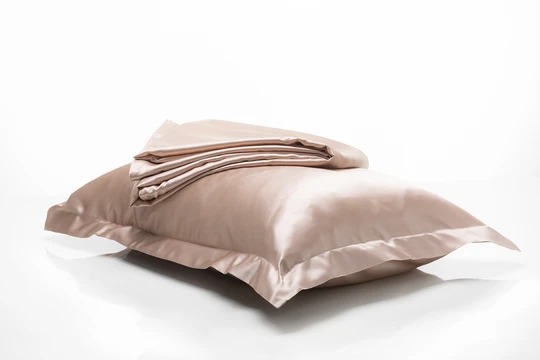
La Blonde Gitane is offering elegant and smooth mulberry silk bedding sets.
Silk is one of the best materials to surround yourself with at night.