Golden Elm trees, with their striking yellow foliage and graceful canopy, are a favorite choice for Australian landscapes. However, like all trees, they require careful maintenance and monitoring to ensure long-term health. Annual inspections are crucial in identifying potential threats, preventing disease, and promoting vigorous growth.
Understanding the Golden Elm Tree
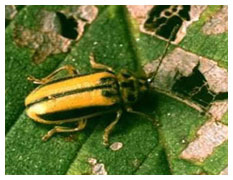
Before diving into inspections, it’s important to understand the Golden Elm tree’s characteristics and common vulnerabilities. Golden Elms are prized for their rapid growth, vibrant foliage, and tolerance to a range of soils. However, they are susceptible to pests such as lace bugs, aphids, and elm leaf beetles, as well as diseases including Dutch elm disease and powdery mildew. Environmental stressors such as drought, poor soil drainage, and extreme temperatures can also compromise their health. A proactive approach through annual inspections ensures early detection and management of these issues.
Preparing for the Annual Inspection
An effective inspection requires preparation. Begin by gathering the necessary tools: a ladder for canopy checks, pruning shears, a magnifying glass for close examination of leaves, gloves, and protective gear. Additionally, maintain a notebook or digital record to track the tree’s condition over time. Performing inspections during the growing season, typically in spring or early summer, allows you to observe active growth and detect pests or diseases at their earliest stage.
Trunk and Bark Assessment
Start the inspection at the base of the tree. Examine the trunk and bark for signs of physical damage, disease, or infestation:
• Cracks or Splits: Look for deep fissures or cracks in the bark, which can expose the tree to pathogens.
• Cankers or Fungal Growth: Swollen areas or fungal fruiting bodies may indicate infection.
• Insect Activity: Holes, sawdust, or frass can point to borers or other trunk-infesting insects.
• Structural Stability: Check for leaning or instability, especially after storms, which may require professional attention.
Addressing trunk and bark issues early can prevent severe damage or even tree loss. Prune damaged areas with sterilized tools and consider professional treatment for fungal infections or pest infestations.
Leaf and Foliage Health
Healthy foliage is a key indicator of a Golden Elm’s vitality. During your inspection:
• Color and Texture: Golden Elm leaves should exhibit vibrant yellow hues. Pale, brown, or scorched leaves may signal nutrient deficiencies or water stress.
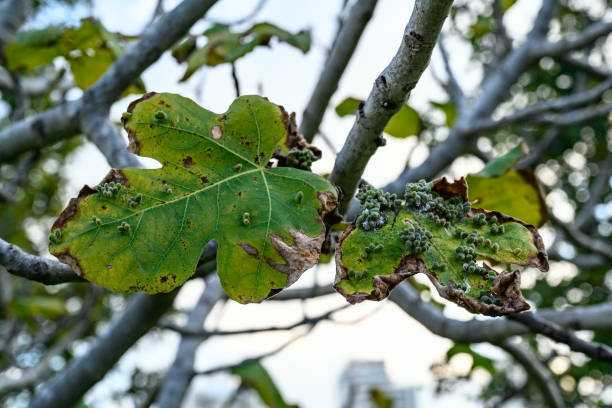
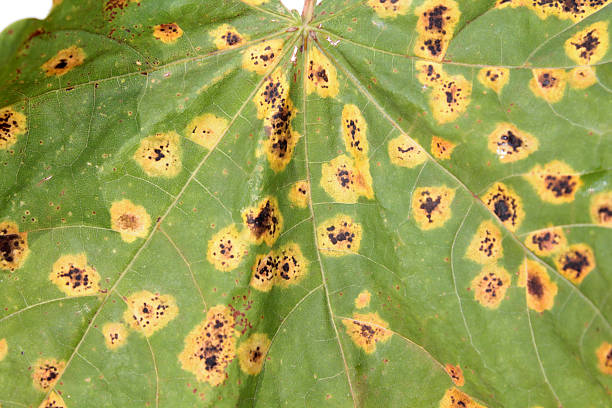
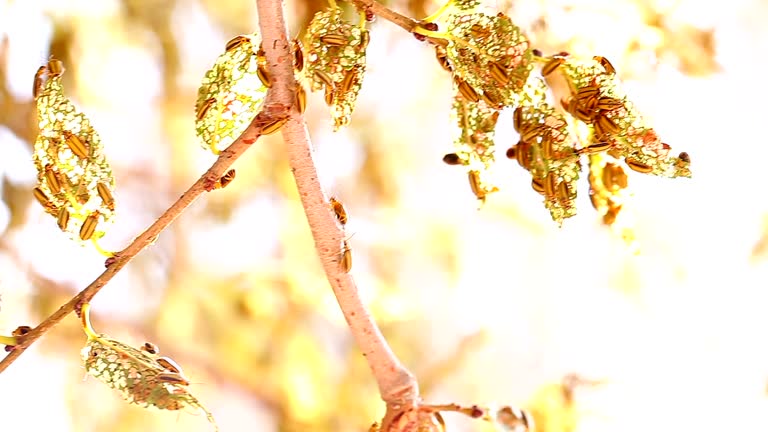
• Pest Detection: Examine the underside of leaves for lace bugs, aphids, or elm leaf beetles. Tiny black spots or stippling often indicate feeding damage.
• Disease Symptoms: Look for powdery white coatings, leaf spots, or curling, which could be signs of fungal or bacterial infections.
• Leaf Density: Sparse or thinning foliage may indicate root or soil problems affecting nutrient uptake.
If pests are detected, consider integrated pest management solutions such as targeted insecticidal sprays or introducing beneficial insects. For diseases, systemic treatments or fungicidal applications may be required, tailored to the severity of the infection.
Branch and Canopy Inspection
Moving upward, inspect branches and the canopy:
• Dead or Dying Branches: Remove any dead, weak, or crossing branches to improve airflow and reduce disease risk.
• Branch Structure: Ensure proper spacing and avoid overly dense growth, which can create a microenvironment conducive to pests and disease.
• Signs of Stress: Branch dieback, wilting, or abnormal growth patterns can indicate underlying health issues, including root or nutrient problems.
Regular pruning not only maintains tree aesthetics but also supports long-term health by promoting strong, well-structured growth.
Root and Soil Evaluation
The roots are the foundation of tree health. Inspect the root zone for:
• Exposed or Damaged Roots: Roots damaged by construction or landscaping may compromise stability and nutrient absorption.
• Soil Compaction: Heavy foot traffic or machinery can compact soil, limiting water and nutrient availability.
• Mulch and Drainage: Ensure adequate mulch coverage without piling mulch against the trunk. Check that the soil drains well and is not waterlogged, which can cause root rot.
Soil testing for pH, nutrients, and organic matter can guide fertilization and soil amendment strategies, promoting robust root systems.
Watering and Nutrient Management
Golden Elms require consistent care to thrive. During your inspection, evaluate your tree’s watering and nutrient needs:
• Watering: Deep, infrequent watering encourages strong root growth. Adjust irrigation based on seasonal rainfall and soil type.
• Fertilization: Use a balanced, slow-release fertilizer, especially during the growing season, to support leaf development and overall vitality.
• Stress Reduction: Apply mulch to retain soil moisture and regulate temperature, particularly during hot Australian summers.
Proper watering and nutrient management reduce stress and improve the tree’s resilience against pests and diseases.
Pest and Disease Prevention
Preventative measures are key in maintaining Golden Elm health. Consider the following:
• Regular Monitoring: Monthly checks for early signs of pests or disease can prevent major outbreaks.
• Integrated Pest Management: Combine cultural practices, biological controls, and chemical treatments when necessary.
• Sanitation: Remove fallen leaves and debris that can harbor pests or fungal spores.
• Professional Support: For severe infestations or disease outbreaks, consult certified arborists for advanced treatment options.
Proactive prevention minimizes the need for aggressive interventions and keeps your tree flourishing year-round.
Creating an Annual Treatment Plan
Based on your inspection, develop a tailored treatment plan:
1. Pruning Schedule: Outline branches to remove, and plan seasonal pruning to optimize growth.
2. Pest Control Timeline: Identify periods when pests are most active and schedule treatments accordingly.
3. Fertilization and Soil Care: Plan nutrient applications and soil amendments to address deficiencies.
4. Watering Schedule: Establish deep irrigation routines aligned with seasonal needs.
5. Professional Interventions: Schedule periodic visits from arborists for advanced treatments or risk assessments.
Maintaining a written annual plan ensures consistency and helps track the effectiveness of treatments over time.
Record-Keeping and Long-Term Monitoring
Documenting each inspection and treatment is essential for long-term tree health:
• Photographic Records: Capture images of branches, leaves, and trunk conditions to monitor changes over time.
• Treatment Logs: Record dates, products, and methods used for pest, disease, and fertilization interventions.
• Growth and Health Notes: Track leaf color, density, and overall vitality to detect trends and emerging issues.
Consistent record-keeping helps identify recurring problems and refine your approach each year, ensuring the Golden Elm tree remains a healthy, vibrant centerpiece in your landscape.
Conclusion
Golden Elm trees are a stunning addition to any garden or public space, but they require diligent care to thrive. Annual inspections, combined with a structured treatment plan, allow you to identify and address issues before they become severe. By assessing the trunk, branches, foliage, roots, and soil, and implementing preventative measures for pests and disease, you can ensure your Golden Elm remains healthy for decades.