


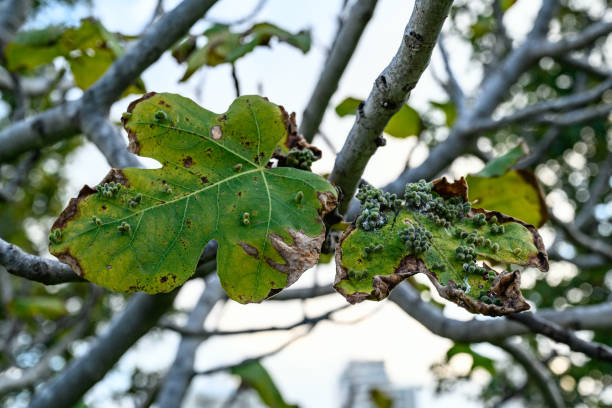
Fig trees are a favourite in home gardens and orchards thanks to their lush foliage and sweet, nutritious fruit. While fig trees are relatively hardy, they can still fall victim to pests such as fig beetles, scale insects, mealybugs, mites, and fruit flies. The good news is that healthy fig trees are far more resistant to pest infestations than stressed or neglected ones.
By focusing on proper care, soil health, pruning, and natural balance, you can strengthen your fig tree’s natural defences and minimise pest problems without relying heavily on chemicals.
Why Tree Health Is the Best Pest Control
Pests are opportunistic. They are far more likely to attack fig trees that are weakened by poor soil, drought stress, nutrient deficiencies, or overcrowding. A strong, well-maintained fig tree produces natural compounds that deter insects and can better tolerate minor pest activity without long-term damage.
Maintaining fig tree health doesn’t just reduce pest pressure—it also improves fruit quality, growth rate, and longevity.
Choose the Right Location and Soil
Sunlight Requirements
Fig trees thrive in full sun, requiring at least 6–8 hours of direct sunlight daily. Adequate sunlight promotes strong growth and improves air circulation, reducing conditions that attract pests and fungal diseases.
Well-Draining Soil
Poor drainage is a common cause of stress in fig trees. Waterlogged roots reduce oxygen uptake, weakening the tree and making it more susceptible to insects and disease.
For best results:
• Plant figs in loamy, well-draining soil
• Avoid low-lying areas where water pools
• Improve heavy clay soils with organic matter
Healthy roots are the foundation of natural pest resistance.
Water Wisely to Avoid Stress
Inconsistent watering is one of the biggest contributors to pest problems in fig trees. Both overwatering and underwatering can stress the tree.
Best Watering Practices
• Water deeply but infrequently to encourage deep root growth
• Increase watering during fruit development and hot weather
• Reduce watering during cooler months
Mulching around the base of the tree helps retain moisture and regulate soil temperature, reducing stress and discouraging pests.
Feed Your Fig Tree Properly
Balanced nutrition plays a critical role in pest resistance. Over-fertilising—especially with nitrogen—can lead to excessive soft growth that attracts aphids and other sap-sucking insects.
Nutrient Tips
• Use compost or well-rotted manure to improve soil health
• Apply a balanced, slow-release fertiliser in early spring
• Avoid heavy nitrogen fertilisers during the growing season
Healthy, balanced growth is less attractive to pests and more resilient to damage.
Pruning for Airflow and Sunlight
Regular pruning is essential for maintaining fig tree health and reducing pest habitats.
Benefits of Proper Pruning
• Improves airflow and light penetration
• Reduces damp, shaded areas where pests thrive
• Makes it easier to spot early signs of infestation
Prune fig trees during dormancy to remove dead, damaged, or crossing branches. Light summer pruning can also help control excessive growth.
Always use clean, sharp tools to prevent spreading disease.
Keep the Area Clean and Tidy
Garden hygiene is a simple but powerful pest prevention strategy. Fallen fruit, leaves, and debris provide food and shelter for insects.
Best practices include:
• Removing fallen figs promptly
• Clearing leaf litter from around the base
• Disposing of infested material away from the garden
A clean growing area reduces pest breeding grounds and interrupts life cycles.
Encourage Beneficial Insects
Not all insects are bad for your fig tree. Beneficial insects help keep pest populations in check naturally.
Helpful Predators
• Ladybirds (ladybugs)
• Lacewings
• Parasitic wasps
You can attract beneficial insects by planting companion plants such as herbs and flowering natives nearby. Avoid broad-spectrum pesticides, as they kill helpful insects along with pests.
Monitor Regularly and Act Early
Regular inspection allows you to catch pest issues before they become serious.
Check:
• Undersides of leaves
• New growth and stems
• Fruit clusters
Early signs of trouble may include sticky residue (honeydew), curled leaves, or discoloured spots. Small infestations can often be managed by pruning affected areas or using gentle treatments such as horticultural oils or insecticidal soaps.
Strengthen Natural Defences with Mulch and Compost
Organic mulch and compost improve soil biology, which directly impacts plant health. A living soil ecosystem supports nutrient uptake and helps fig trees withstand stress.
Use:
• Organic mulches like straw, bark, or sugarcane mulch
• Compost to feed soil microbes
Avoid piling mulch directly against the trunk to prevent rot and pest hiding spots.
Avoid Overcrowding and Root Competition
Fig trees need space to grow. Overcrowding reduces airflow and increases humidity, creating ideal conditions for pests.
Ensure:
• Adequate spacing between trees
• Minimal competition from grass or weeds near the base
Root competition weakens fig trees and reduces their ability to resist pests naturally.
Natural Treatments When Needed
If pest pressure increases, opt for natural or low-toxicity solutions before turning to chemical pesticides.
Effective options include:
• Neem oil for sap-sucking insects
• Horticultural oil for scale and mites
• Sticky traps for monitoring fruit flies
Always follow label instructions and apply treatments during cooler parts of the day to protect beneficial insects.
Final Thoughts
Maintaining fig tree health is the most effective way to naturally resist pests. By providing the right growing conditions, consistent care, and a balanced ecosystem, fig trees can defend themselves against many common insect problems.
Healthy soil, proper watering, smart pruning, and regular monitoring work together to create a strong, resilient fig tree. Instead of reacting to pest problems, focus on prevention—and enjoy healthier trees and better harvests season after season.


Growing need for production of several food products including confectionery, dairy, and bakery products has led to an upsurge in demand for fig ingredients globally.
According to a recently published report, the global fig ingredient market is expected to register a steady growth over the forecast period, 2017-2024.Collaborations to Boost Market GrowthManufacturers operating in the food and beverages industry are likely to witness significant demand for fig attributed to prebiotic, and anti-oxidant features.
Consumption of fig also helps in reducing the cholesterol level in the body.
The company believes that these ingredients will give color, flavor, and sweetness to the products along with additional texture including cereal bars, yoghurts, ice-creams, breakfast cereals, and sauces under the sipal, and natu ranges.Another news report reveals that Fond Originals has launched a new product line during the second anniversary of Madeleine Dee’s venture.
The product line includes over 30 products inclusive of strawberry-ginger jam, risotto cakes, broccoli-bacon-cheddar quinche, and fig pizzas.
Increasing prevalence of asthma, bronchitis, diabetes, whooping cough, piles, and cough is further expected to rev up demand for fig significantly.