





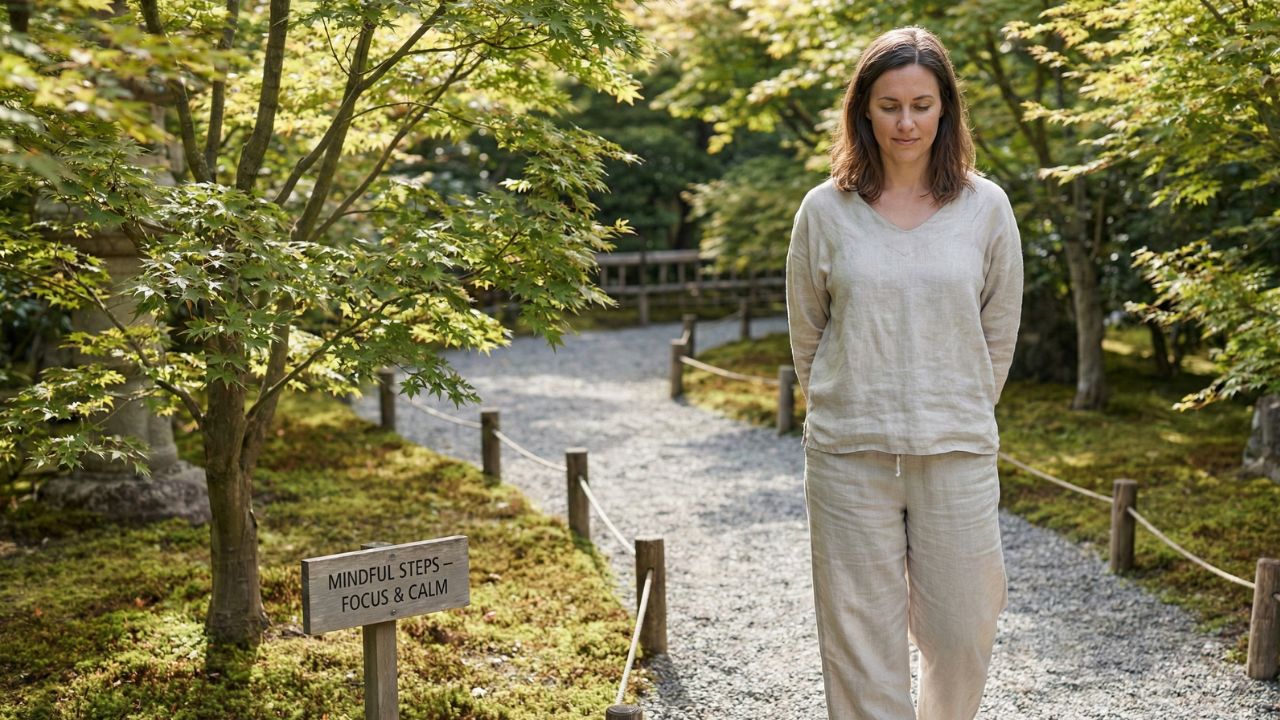
Walking meditation blends mindful awareness with gentle movement, making it one of the simplest ways to restore calm and sharpen mental clarity. Unlike seated meditation, it doesn’t require stillness or specific posture. You simply use each step as an anchor to bring yourself into the present. Several walking meditation practices can effectively ease stress, improve concentration, and create a sense of balance throughout the day.
Mindful Breathing Walk
One of the most accessible techniques is the mindful breathing walk. As you begin moving, match your breath with a natural rhythm two or three steps for each inhale, and the same for each exhale. There’s no need to force deep breathing; allow it to settle into a comfortable pace.
This practice works because it gently slows the nervous system. When the body senses a steady rhythm, the mind follows. Stress softens, shoulders relax, and distractions lose their grip. It’s a simple way to reduce mental clutter while still staying active.
Awareness of Footsteps
Another effective method involves focusing fully on each step. Feel the heel touch the ground, the arch shifting weight, and the toes lifting again. This kind of attention pulls your mind away from worrying thoughts and anchors it in the present moment.
The repetition becomes calming. As your awareness deepens, you’ll notice the texture of the path beneath your feet, the sensation of balance, and the stability of your movements. This practice improves focus because it trains your mind to observe one thing at a time without jumping between thoughts.
Sensory Walking Meditation
A sensory-oriented walk uses external cues to keep you grounded. Pay attention to sounds, scents, the movement of air, and the temperature on your skin. The goal isn’t to analyze anything just notice.
This technique is especially helpful for people who struggle with internal overthinking. Directing attention outward lightens the mental load. Listening to birds, feeling sunlight, or noticing the rustle of leaves naturally slows down anxious spirals and brings mental clarity.
Check Also: Hiking Journeys
Counting Steps for Concentration
Counting steps is a simple but powerful way to build sharper focus. Choose a number maybe ten and count each step until you reach it, then start again. If your mind wanders, gently return to counting without frustration.
This works almost like a moving mantra. It trains the brain to maintain steady attention and reduces the tendency to drift into unproductive thoughts. Over time, step-counting enhances overall concentration, making it easier to stay focused even outside meditation.
Intentional Slow Walking
Slow walking meditation is ideal for grounding, especially after intense or stressful moments. Move at half your usual pace, keeping your attention on each shift of balance and each subtle movement of the body.
The slowness itself becomes meditation. When the body moves slowly, the mind slows too. This technique gives you space to breathe, process emotions, and calm restlessness. It’s also useful at transitions starting your day, ending work, or resetting between tasks.
Gratitude Walk
For those seeking emotional balance, a gratitude walk works beautifully. As you walk, silently acknowledge things you’re grateful for: your body’s ability to move, the environment around you, or simple comforts in your life.
This practice softens stress by shifting the mind away from pressure and toward appreciation. Gratitude naturally boosts emotional resilience and supports a positive mental state, which strengthens focus afterward.
Check Also: Group Hikes
Conclusion
Walking meditation is more than a physical activity; it’s a mental reset that fits effortlessly into daily life. Whether you prefer steady breathing, sensory awareness, slow walking, or step counting, each technique offers a clear path to calm the mind and strengthen focus. A few mindful steps can make a noticeable difference in how centered, alert, and clear-headed you feel throughout the day.



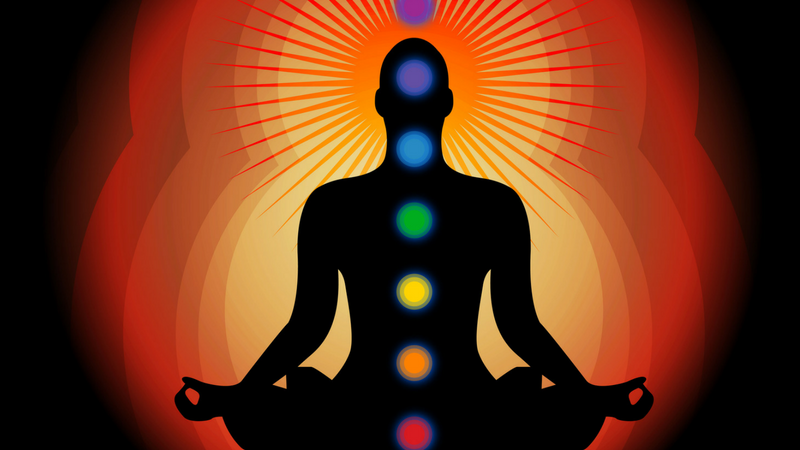
Chakras are whirling forces of subtle energy associated with emotional, physical and spiritual energies Chakra meditation lets us balance and open the 7 "Wheels" in the body .The human body has 7 main chakras and it can be activated by mantras & meditation .
Check out the complete guide of chakras and its benefits https://www.amayaan.com/blog/a-guide-to-chakra-meditation