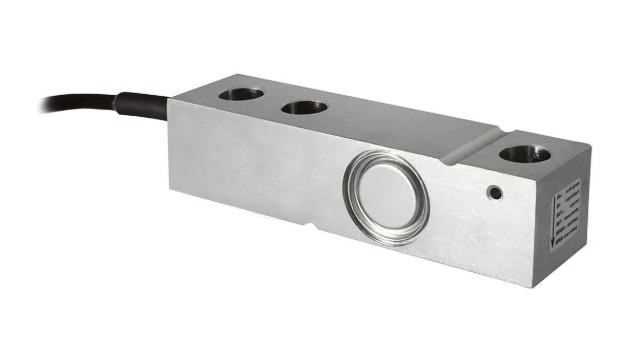
Load cells are at the heart of modern measurement technology. These humble yet powerful sensors convert force or weight into an electrical signal that can be precisely measured and analyzed. Across Australian industries — from mining and agriculture to healthcare and logistics — load cells play a crucial role in enhancing accuracy, safety, automation, and efficiency. As technological innovation continues to accelerate, load cell applications are expanding into new domains that were once the stuff of science fiction.
What Is a Load Cell? A Brief Overview
At its core, a load cell is a transducer — a device that converts one form of energy into another. Specifically, load cells convert mechanical force (such as weight or pressure) into an electrical signal. This signal can then be interpreted by measurement systems or controllers.
Different types of load cells include:
• Strain gauge load cells – the most commonly used type, suitable for weighing systems.
• Hydraulic load cells – ideal in hazardous or explosive environments.
• Pneumatic load cells – used where electrical components are unsuitable.
• Capacitive and piezoelectric load cells – used for dynamic force measurements.
While the technology might sound simple, the applications are diverse and wide-reaching.
1. Mining: Precision and Safety Underground and Onsite
Australia is one of the world’s leading mining nations, producing coal, iron ore, gold, and a suite of other valuable minerals. Mining operations demand precision weighing for materials handling, load monitoring on heavy equipment, and safety mechanisms that prevent overloads.
Material Weighing and Control
Mining sites use load cells in:
• Weighbridges for trucks transporting ore and materials.
• Hoppers and silos to measure bulk material levels.
• Conveyor belt weighers to monitor material flow rates.
Accurate weighing lowers waste, enhances production planning, and ensures compliance with shipping and export standards.
Equipment Safety
Load cells integrated into lifting systems, cranes, and haul trucks help prevent overloading — a leading cause of equipment failure and workplace injuries. High-capacity load cells provide real-time feedback that can automatically trigger safeguards or alerts.
2. Agriculture: Precision Farming from Barn to Market
Australia’s agricultural sector stretches across vast landscapes, from grain farms in the Darling Downs to cattle stations in the Northern Territory. Load cells play a vital role in improving productivity and sustainability.
Livestock Management
Load cells are used in animal weighing systems to:
• Monitor weight gain in livestock.
• Manage feeding regimens.
• Support livestock health diagnostics.
Automated weighing systems combined with RFID technology allow farmers to gather data without stress to animals — improving welfare and farm data quality.
Grain and Produce Handling
In silos, trucks, and mobile weighing trailers, load cells ensure accurate measurement of grain quantities. This supports inventory management and maximizes pricing accuracy in commodities trading.
Moreover, precision weighing reduces overloading of trucks and balances loads, which improves fuel efficiency and extends equipment lifespan.
3. Logistics and Transportation: Accuracy and Accountability
Australia’s geographic vastness means goods are constantly on the move — by road, rail, sea, and air. Load cells underpin systems that ensure safe and lawful transport of products.
Weighbridges
State and national transport authorities require accurate weighbridge systems for:
• Toll compliance.
• Road safety.
• Infrastructure protection (by preventing overloading).
Industry-standard load cells in weighbridges deliver reliable measurements that support regulatory audits and cross-border freight tracking.
In-Transit Monitoring
Load cells embedded in pallets or shipping containers can monitor shifting loads during transit. This data enhances cargo protection and reduces loss or damage claims.
4. Manufacturing: Quality Control and Automation
Manufacturing industries — including automotive, food processing, and metals fabrication — use load cells to maintain product quality and automate production lines.
Force Measurement in Assembly
In automated assembly lines, load cells help monitor:
• Torque and force during fastening processes.
• Pressure in stamping or molding machines.
• Load distribution during material handling.
This ensures components meet design specifications, reducing defects and recalls.
Batching and Filling Systems
Load cells are central to batching systems where precise quantities of raw materials are weighed before mixing or packaging. This is especially critical in pharmaceuticals and specialty foods where ingredient accuracy affects safety and compliance.
5. Healthcare: Precision and Patient Safety
In healthcare, load cells enhance both diagnostic capabilities and patient care.
Medical Weighing
Hospital beds, hoists, and patient lifts often integrate load cells to:
• Monitor patient weight without manual handling.
• Track changes in weight as part of health assessments.
• Ensure safe operation of lifting equipment.
Accurate weighing improves clinical decision-making and reduces the physical strain on caregivers.
Rehabilitation and Prosthetics
Load cells are also used in biomechanics labs to analyze gait and limb loading. Data from these systems inform rehabilitation protocols and the design of personalized prosthetics.
6. Construction and Infrastructure: Supporting Heavy Loads Safely
Construction projects often involve lifting, balancing, and placing heavy materials. Load cells ensure structural loads are monitored and controlled.
Crane and Lifting Safety
Load monitoring systems can prevent dangerous overload situations by providing real-time force data to operators.
Structural Testing
Load cells are used in stress testing of beams, bridges, and foundations — helping engineers validate designs before and during construction.
Innovations Shaping Load Cell Technology in Australia
The field of load cells is not static. Innovations are continually pushing performance boundaries and unlocking new opportunities.
Smart and Connected Load Cells
Modern load cells incorporate digital signal processing and secure connectivity. These smart load cells can:
• Communicate wirelessly with monitoring platforms.
• Provide diagnostic data such as health status and calibration needs.
• Integrate with Internet of Things (IoT) ecosystems for predictive maintenance.
This innovation supports automated facilities and real-time analytics that were once only possible in controlled laboratory environments.
High-Capacity and Custom Load Cells
As Australia’s industrial demands grow, so does the need for load cells capable of measuring heavier loads with higher precision. Custom-designed load cells support:
• Mining haul trucks with extreme capacity demands.
• Bulk material storage systems requiring large-scale force measurement.
• Specialty manufacturing fields that test heavy structural loads.
These innovations increase reliability and open new frontiers in industrial automation.
AI and Data-Driven Load Cell Systems
Pairing load cell data with artificial intelligence (AI) and advanced analytics platforms enables smarter decision-making. For example:
• Predictive models can forecast equipment failure before it happens.
• Pattern recognition can detect anomalies in production loads.
• Smart dashboards help operators optimize throughput and reduce downtime.
This integration of load cells with intelligent systems is a key driver of Industry 4.0 transformation across Australian industries.
The Future: Sustainable and Adaptive Weighing Technologies
Australia’s commitment to sustainability and efficiency extends into its adoption of advanced load cell technologies. Future trends include:
• Energy-efficient load cell systems with low power consumption.
• Self-calibrating sensors that adjust automatically over time.
• Eco-friendly manufacturing processes for load cell components.
• Augmented reality (AR) maintenance tools for field technicians.
These innovations will continue improving accuracy, reducing environmental impact, and enhancing the lifetime value of measurement systems.
Conclusion: The Importance of Load Cells in a Modern Australia
From the remote outback to densely populated urban centers, load cells quietly support critical operations in nearly every sector of the Australian economy. Their precision and adaptability make them indispensable — whether for safety in mining, accuracy in manufacturing, accountability in transport, or care in healthcare.
As industries modernize and embrace digital transformation, load cells will remain central to:
• improving operational efficiency,
• enhancing safety and compliance,
• enabling automation,
• and unlocking valuable data insights.
In short, load cells are not just measuring devices — they’re foundational tools driving innovation and performance across Australian industries.
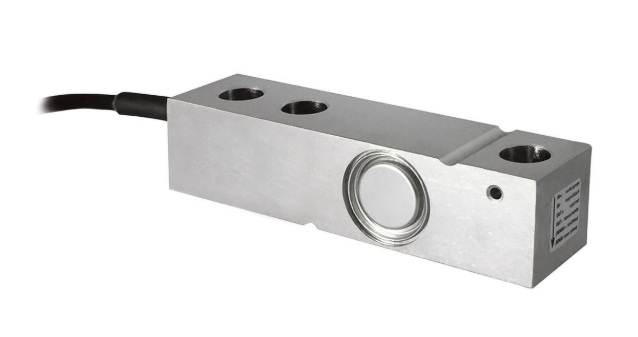
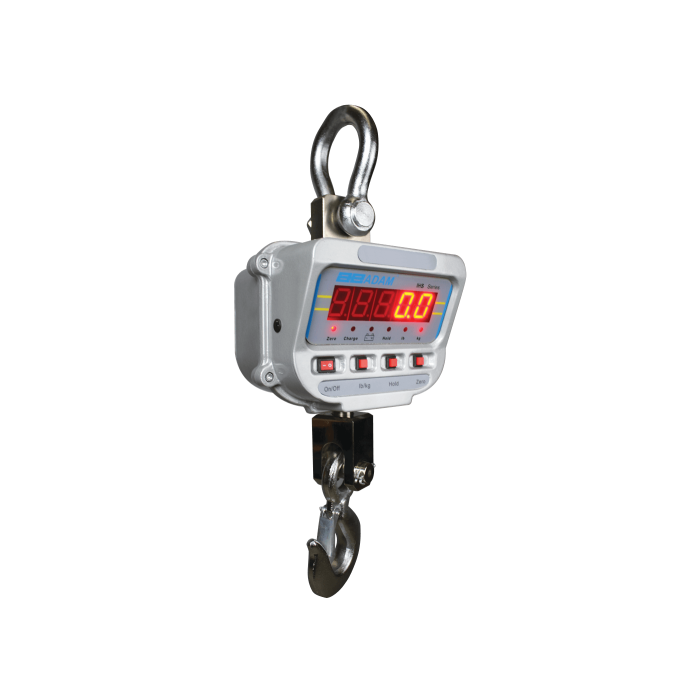
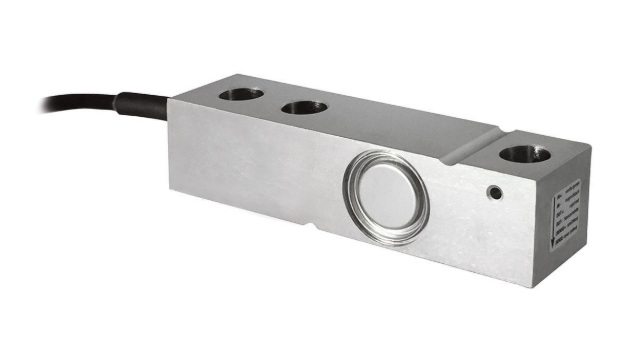
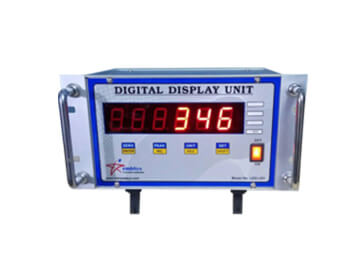
We, Star Embedded System provide you a good range of Calibration load cell.
This is mainly used to measure the weight of System in the factory.These load cells are working as tansducer,transducer are used to convert the force into electric signals.
Besides this these load cells are used in other carious applications.
We ,Star Embsys manufacturing calibration cells, which are very accurate at load measurement.
Calibration cells are installed easily.