Introduction
For homeowners, any internal damage is stressful, and if it's water damage, the problem for them is huge as it triggers other damages as well. Water damage such as pipe bursting, roof leakage, water tank overflow and storms damage the whole walls, flooring, furniture, personal belongings and other appliances. In such a case for recovering the repair cost, one can file water damage home insurance claims.
Many home owners are either unaware about such policy covers or are confused about the claiming process and however the policy remains unclaimed. There are insurance companies who guide you throughout the claiming process for you know how to protect your rights.
What Is a Water Damage Home Insurance Claim?
The water damage home insurance claims are where you can claim the damage without paying any extra costs. It is kind of a request you can file to your insurance company for paying the loss. This coverage depends on how much the water damage occurred, has damaged the home and other terms and conditions of the insurance policy.
Most of the time the home insurance policy covers sudden and accidental water damage only. The claim does not cover damages caused by any long term neglect, floods or any other natural disaster. Before starting the claim process, it is essential to understand the different criteria where you can claim the insurance and which damages are not included.
Types of Water Damage Covered by Home Insurance
1. Burst or Broken Pipes
If a pipe suddenly bursts due to freezing, pressure, or age and causes water damage, resulting in roof leakage and molds, most policies cover repairs and cleanup.
2. Appliance Malfunctions
Water damage caused by malfunctioning of washing machines, dishwashers, water heaters, or refrigerators that suddenly leak is often covered.
3. Roof Leaks from Sudden Events
If a storm damages your roof and water enters your home, insurance usually covers the resulting water damage.
4. Accidental Overflow
Overflow from plumbing systems, such as a clogged toilet or sink that causes water damage, may be covered if it was sudden.
5. Fire-Related Water Damage
Water damage caused by firefighting efforts is generally covered under standard homeowners insurance.
Types of Water Damage Not Covered by Home Insurance
Knowing what is not covered can help prevent claim denial surprises.
1. Flood Damage
Flooding from heavy rain, rivers, storm surge, or groundwater is not covered by standard home insurance. You need separate flood insurance for this.
2. Gradual Leaks
Slow leaks that happen over weeks or months, such as a dripping pipe behind a wall, are usually considered maintenance issues and are not covered.
3. Neglect or Poor Maintenance
If damage occurs because you failed to fix known issues, your claim may be denied.
4. Sewer Backup (Without Endorsement)
Sewer or drain backups are often excluded unless you purchased an additional rider or endorsement.
What Does a Water Damage Home Insurance Claim Cover?
A water leak damage insurance claim covers losses caused by sudden and accidental leaks inside your home. These leaks can come from plumbing lines, appliances, HVAC systems, or roofing issues, often causing structural damage, mold, and costly repairs. If your claim is approved, your insurance may cover:
- Water extraction and drying
- Mold prevention or remediation (limited coverage)
- Repair or replacement of walls, ceilings, and floors
- Damaged cabinets and built-in fixtures
- Personal belongings like furniture and electronics
- Temporary housing if your home is unlivable (additional living expenses)
Coverage limits and deductibles vary, so always review your policy carefully.
Step-by-Step Water Damage Home Insurance Claim Process
While you're planning to get the home insurance for the water damage make sure to do proper research on How to file an Insurance Claim for Water Damage and all the clauses mentioned in the company policies. After that make sure to have a Home Insurance of a higher amount as that will help you cover all the cost. Filing a claim correctly can make a big difference in approval and payout. Follow these steps carefully.
Step 1: Stop the Water Source Immediately
Shut off the main water supply and try to cover the leakage area with a cloth as if not done so; it can cause heavy leakage within a short time.
Step 2: Protect Your Property
Move furniture, electronics, and valuables away from the leak area and move them to a dry area. Use towels, buckets, or tarps to limit damage. Insurance companies expect you to take reasonable steps to reduce losses.
Step 3: Document the Damage
Take clear photos and videos of:
- The source of the water
- Damaged walls, floors, and ceilings
- Personal items damaged or affected by water
Do this before starting major cleanup if possible.
Step 4: Contact Your Insurance Company Agent/Adjuster
Report the damage as soon as possible. Delays can hurt your claim. Provide basic details about what happened and when it occurred.
Step 5: File the Water Damage Home Insurance Claim
Complete the required claim forms honestly and accurately. Avoid guessing or exaggerating damages.
Step 6: Meet the Insurance Adjuster
The insurance company may send an adjuster to inspect the damage. Walk them through the affected areas and share documentation.
Step 7: Get Repair Estimates
Obtain written estimates from licensed contractors. These can support your claim if there are disagreements on repair costs.
Step 8: Review the Settlement
Once approved, review the settlement offer carefully. Make sure it covers all necessary repairs and replacements.
Common Mistakes to Avoid When Filing a Water Damage Claim
Till the damage is not inspected, avoid the damage area to get a temporary repair. Once the inspection is carried out by the insurance company, you can opt for proper repair. Many claims are delayed or denied due to simple errors. Avoid these common mistakes:
- Waiting Too Long to File: Insurance companies expect prompt reporting. Delays may raise suspicion or lead to denial.
- Failing to Document Damage: Without photos and records, it is harder to prove the extent of damage.
- Throwing Away Damaged Items Too Soon: Keep damaged items until the adjuster has seen them, unless they pose a health risk.
- Making Permanent Repairs Before Approval: Temporary repairs are allowed, but permanent repairs should wait until the insurer inspects the damage.
- Assuming All Water Damage Is Covered: Always check your policy instead of relying on assumptions.
Tips to Maximize Your Water Damage Home Insurance Claim
When there is damage caused by water leak do not take it lightly of neglect as it can lead to further damages to the entire home. To improve your chances of a fair payout, follow these tips:
- Read your policy before filing a claim
- Keep records of all communication with your insurer
- Save receipts for cleanup, repairs, and temporary housing
- Use licensed and insured contractors
- Ask questions if anything is unclear
- Consider professional help for large or disputed claims
When Can a Water Damage Claim Be Denied?
There are times when your claim may be denied as there could be many reasons but primarily it could be incomplete documents or proofs, but other could be:
- The damage resulted from flooding without flood insurance
- The leak occurred over a long period
- Poor maintenance caused the damage
- You failed to prevent further damage
- Policy exclusions apply
If denied, request a written explanation and review your options for appeal.
How to Prevent Future Water Damage Claims
To avoid water leak and damage certain precautions can be done to save you money and stress. Simple steps include:
- Inspect plumbing regularly
- Replace old hoses on appliances
- Clean drainage and downspouts
- Install water leak detectors
- Maintain your roof and foundation
- Shut off water when leaving home for long periods
Insurance companies appreciate proactive maintenance, and it may even help lower premiums.
Conclusion
The water damage insurance claim helps home owners recover financially after sudden and unexpected losses caused due to heavy water damage. Understanding what the insurance policy claim can cover, start taking actions quickly, and follow the correct claiming process to make a significant difference in approval and settlement value. Proper documentation, timely communication with your insurance provider, and avoiding common mistakes are essential for a smooth claims experience. By taking precautionary measures and maintaining your home’s water pipes regularly, you can reduce the risk of future water damage.
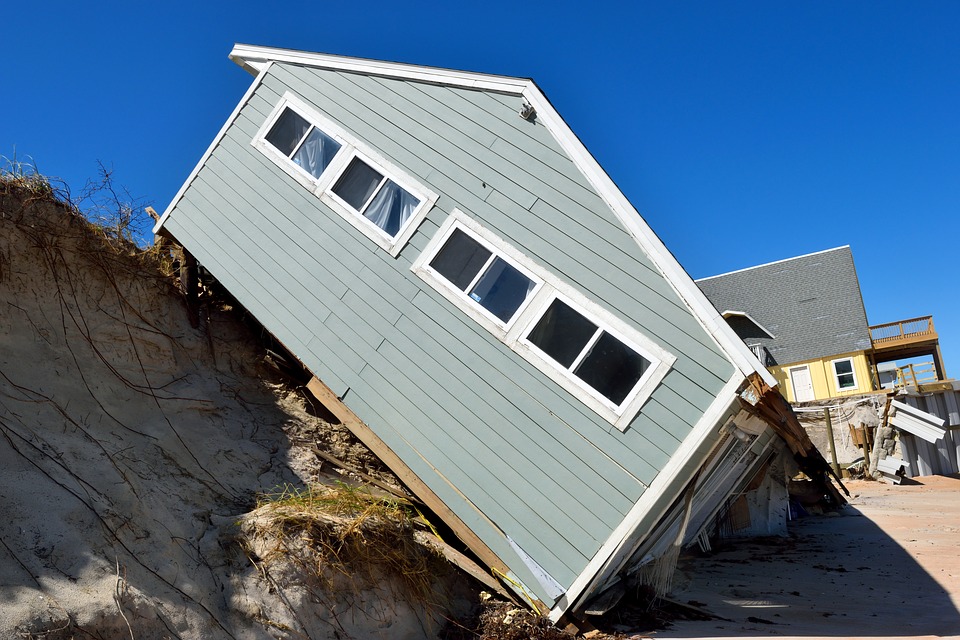
Whatever be the reason of water damage the residents may be able to file a homeowner's insurance claim so that they can recover from the damage as soon as possible.
A public adjuster will try their best to get the best possible settlement from the insurance company.
They will survey the whole damage and will go through your policies and then will give you advices accordingly.
An Alliance public adjuster expert will advocate for you to the insurance company.
They will help you till the end and they will be on your side, unlike a claims adjuster.