



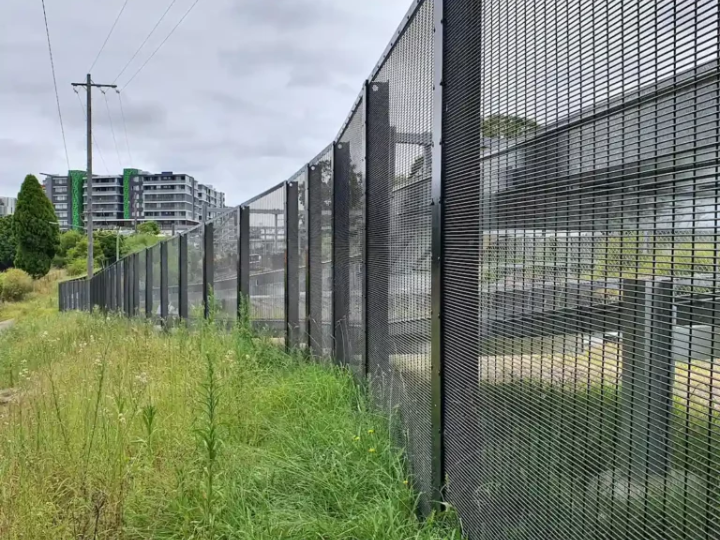
High-security commercial and government sites demand reliable perimeter solutions to safeguard assets, personnel, and operations. 358 mesh fencing offers superior protection against intrusions, but successful installation requires careful planning and awareness of potential challenges. For infrastructure managers, contractors, and security consultants, understanding these considerations ensures a durable and compliant fencing system that meets operational requirements.
Assessing Site Conditions
Before installation, a comprehensive site assessment is critical. Uneven terrain, soil composition, and drainage issues can affect the stability of fencing posts and panels. For large-scale government facilities, transport hubs, or industrial sites, soil testing and grading may be required to provide a solid foundation for the fence. Planning for these factors early prevents costly adjustments during installation and ensures long-term performance.
Selecting the Right Materials
The effectiveness of a high-security mesh fence depends on material quality and compliance with Australian standards. Panels must be manufactured from high-strength steel, with a coating or galvanisation process to prevent corrosion. Post spacing, panel size, and mesh aperture are essential design considerations, as these elements influence both security and visibility. Choosing the correct materials reduces maintenance requirements and ensures the fence withstands environmental and operational stresses.
Integration with Access Points
Gates and entry points present unique challenges when installing a 358 mesh system. Vehicle and pedestrian gates must align seamlessly with the fence, maintaining both security and operational functionality. Coordinating with access control systems, such as keypads, swipe cards, or remote monitoring, is essential to prevent weak points in the perimeter. Proper planning for gate locations and functionality avoids operational disruptions and security vulnerabilities.
Compliance and Safety Requirements
Commercial and government projects are subject to strict compliance regulations, including fencing heights, structural standards, and safety guidelines. Installation teams must ensure that posts are set at the correct depth, panels are securely fixed, and tensioning meets required specifications. Adhering to these standards not only satisfies regulatory bodies but also guarantees the safety of personnel during and after installation.
Managing Logistical Challenges
Large-scale fencing projects often involve logistical hurdles, including transporting heavy panels, coordinating multiple contractors, and scheduling work around site operations. Effective planning minimises disruption to existing infrastructure and ensures a smooth installation process. For sites such as transport terminals, data centres, or government facilities, working around active operations while maintaining security is particularly important.
Maintenance and Longevity Considerations
Even the most secure mesh fencing requires periodic inspection and maintenance to ensure long-term effectiveness. Planning for easy access to panels and gates, using durable materials, and implementing regular checks can extend the lifespan of the system. Considering these factors during the installation phase reduces future costs and prevents security breaches caused by neglected infrastructure.
Installing high-security fencing on complex commercial and government sites requires careful planning, attention to compliance, and a thorough understanding of site-specific challenges. By assessing terrain, selecting quality materials, integrating secure access points, and managing logistics, organisations can achieve a robust perimeter solution. Proper installation and maintenance planning ensures that 358 mesh fencing provides long-term protection, regulatory compliance, and peace of mind for critical infrastructure and high-value assets.


With a multi-disciplinary approach, Fact.MR elaborates an extensive analysis of the historical, current and future outlook of the global cancer profiling market as well as the factors responsible for such a growth.
Our highly dedicated professionals have inputted critical and accurate insights associated with every industry, and region by doing thorough primary and secondary research.We leverage space-age industrial and digitalization tools to provide avant-garde actionable insights to our clients regarding the cancer profiling market.
For enhancing readers’ experience, the report starts with a basic overview about the cancer profiling market and its classification.Competitive Assessment The cancer profiling market report includes global as well as emerging players:Qiagen N.V.Roche Molecular Systems INC.Abbott LaboratoriesSiemens AGNeogenomics LaboratoriesIllumina, Inc.HTG Molecular DiagnosticPerkinElmer Inc.Genomic Health INC.Nanostring Technologies, Inc.BioGenexThermo Fisher Scientific Inc.Pacific BiosciencesAgilent Technologies, Inc.The insights for each vendor consists of:Company profileSWOT analysisMain market informationMarket shareRevenue, pricing and gross marginRequest Sample Report - https://www.factmr.com/connectus/sample?flag=S_id=358Regional Analysis Important regions covered in the cancer profiling market report include:North America (U.S., Canada)Latin America (Brazil, Mexico)Europe (Germany, U.K.)APEJ (China, India)The cancer profiling market report also provides data regarding the key countries in the defined regions.Segmentation AnalysisBy Product:InstrumentsConsumablesBy Indication:Breast CancerColorectal CancerOvarian CancerMelanomaKidney CancerLung Cancer (including NSCLC)Rare CancersWhat insights does the cancer profiling market report provide to the readers?Cancer profiling market fragmentation on the basis of product type, end use, and region.Comprehensive assessment of upstream starting materials, downstream demand, and present market landscape.Collaborations, R projects, acquisitions, and product launches of each cancer profiling market player.Various regulations imposed by the governments on the consumption of cancer profiling market in detail.Impact of modern technologies, such as big data & analytics, artificial intelligence, and social media platforms on the global cancer profiling market.Questionnaire answered in the cancer profiling market report include:What is the present and future outlook of the global cancer profiling market on the basis of region?What are the challenges and opportunities for the cancer profiling market?Why the consumption of cancer profiling market highest in region?In which year segment is expected to overtake segment?Request Research Methodology - https://www.factmr.com/connectus/sample?flag=RM_id=358And many more …