
Understanding the Stakes in Neurotechnology
Neurological devices are at the forefront of modern medicine, providing life-changing solutions for conditions affecting the brain, spine, and nerves. From diagnostic imaging and brain-computer interfaces to implantable stimulators that manage chronic pain or tremors, these technologies operate in a high-stakes environment. Because they often interact with sensitive neural tissue, the margin for error is non-existent.
For manufacturers and startups, the challenge is twofold: maintaining the pace of innovation while adhering to the most stringent safety and quality standards in the medical device industry.
1. Navigating Risk and Classification
Regulators view neurological devices through a risk-based lens. Given their proximity to the central nervous system, most of these products fall into Class II (moderate risk) or Class III (high risk) categories.
- Class II: Includes items like neuro-diagnostic monitors and certain stimulators.
- Class III: Includes life-sustaining or invasive technologies, such as deep brain stimulators (DBS).
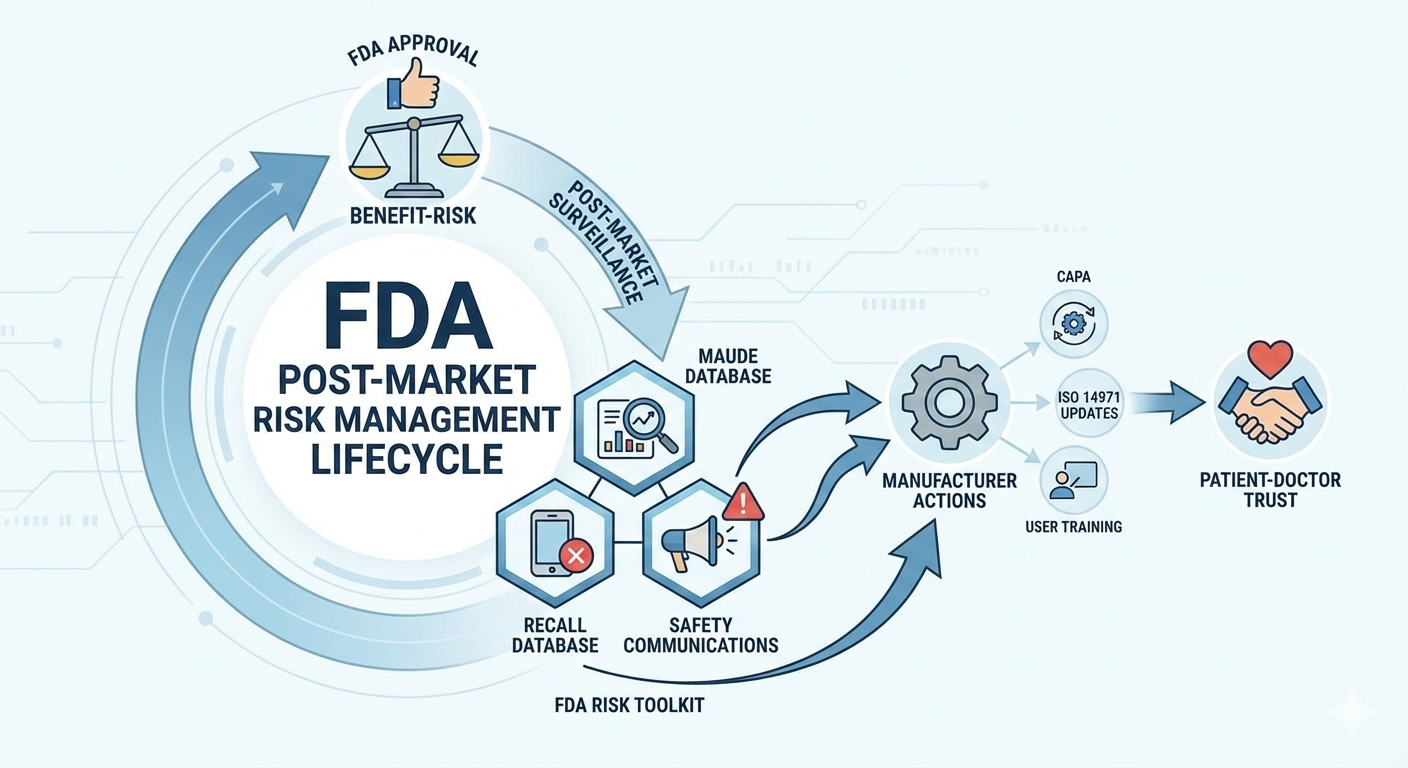
Proactive risk management, following standards like ISO 14971, is mandatory. Manufacturers must identify potential hazards—such as electrical leakage, software glitches, or material toxicity—and implement design controls to mitigate them before the device ever reaches a patient.
2. The Pillars of High-Precision Manufacturing
Producing neurological hardware requires a level of precision that exceeds standard electronics. The process involves:
- Advanced Material Science: Utilizing biocompatible metals and polymers that can survive the harsh environment of the human body without causing adverse reactions.
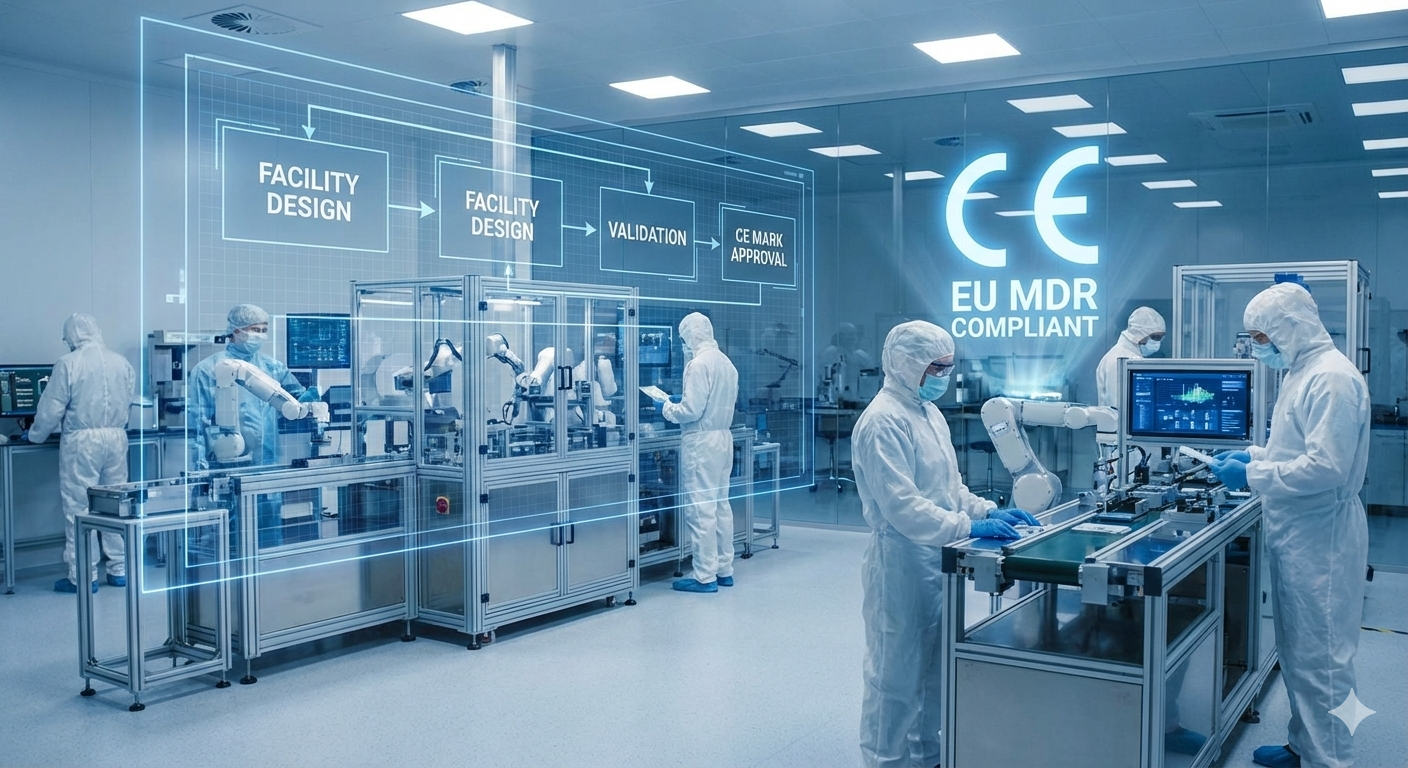
- Cleanroom Assembly: Fabrication typically occurs in highly controlled environments to prevent contamination that could lead to device failure or infection.
- Software Integrity: Many modern neuro-devices are software-driven. Ensuring that signal-processing algorithms are reliable and secure is a critical component of the manufacturing workflow.
3. Building a Compliant Quality System
A robust Quality Management System (QMS) is the backbone of successful market entry. Most global regulators expect a system that aligns with ISO 13485 or the FDA’s 21 CFR Part 820.
Key QMS priorities include:
- Traceability: Being able to track every component back to its source.
- Process Validation: Proving that your manufacturing methods consistently produce safe results.
- Supplier Oversight: Ensuring that third-party vendors for specialized parts (like micro-electrodes) meet the same high standards as the primary manufacturer.
4. Strategic Planning with Operon Strategist
The path from a prototype to a cleared or approved device is complex and expensive. Strategic planning should begin at the earliest stages of design to avoid "compliance bottlenecks" that can delay market entry by years.
Expert Guidance for Neuro-Innovation
Navigating these hurdles is significantly easier with the right technical partner. Operon Strategist is a leading regulatory consulting firm that specializes in helping medical device companies achieve global compliance. They offer end-to-end support for neurological device manufacturers, including:
- Regulatory Roadmapping: Determining the fastest path to market (510k, PMA, or CE Marking).
- Technical Documentation: Creating the comprehensive files required for FDA and international submissions.
- Turnkey Quality Systems: Building audit-ready QMS frameworks tailored to neuro-technology.
Learn more about their specialized guidance here:
Regulatory and Quality Requirements for Neurological Device Manufacturing



Software has become an important aspect of medical devices and is proving to benefit both patient and provider.
QSS can help licence your medical device!Read more:https://qualitysmartsolutions.com/blog/what-you-need-to-know-software-as-a-medical-device-samd/