


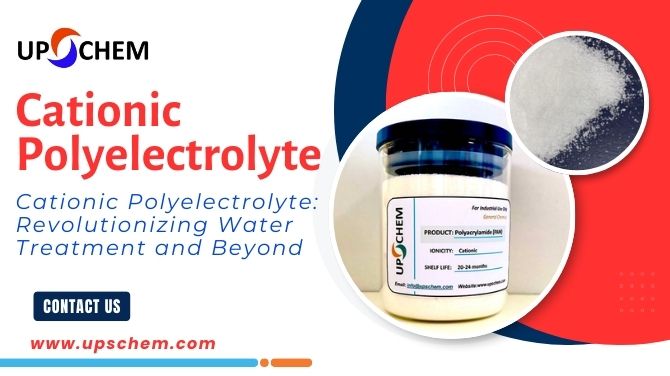
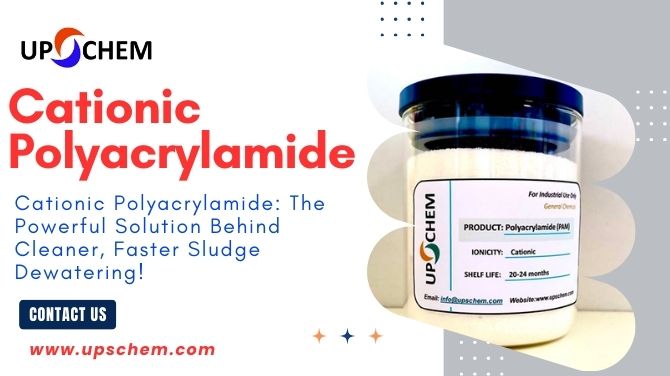
In today’s rapidly evolving industrial landscape, the demand for efficient, sustainable, and cost-effective water treatment solutions has never been higher. Among the various chemical agents employed in water purification, cationic polyelectrolyte stands out as a game-changer. This versatile compound has transformed not only water treatment processes but also found applications across diverse industries, from paper manufacturing to wastewater management. At Shandong UPS Chemical Co., Ltd., we are proud to be at the forefront of producing high-quality cationic polyelectrolytes that meet the stringent requirements of modern environmental and industrial standards.
Understanding Cationic Polyelectrolyte
To appreciate the revolutionary impact of cationic polyelectrolytes, it is essential first to understand what they are. Polyelectrolytes are polymers whose repeating units bear an electrolyte group, which dissociates in aqueous solutions, making the polymer charged. Specifically, cationic polyelectrolytes carry positive charges along their polymer chains. This positive charge enables them to interact effectively with negatively charged particles, such as suspended solids, organic matter, and colloids commonly found in wastewater and industrial effluents.
Why Cationic Polyelectrolyte is Essential in Water Treatment?
Water treatment involves the removal of contaminants to produce water that is safe for consumption, industrial use, or environmental discharge. Traditional methods often struggle with efficiency, especially when dealing with fine suspended particles or organic pollutants.
Here, cationic polyelectrolytes play a crucial role due to their unique properties:
- Flocculation and Coagulation: The positively charged cationic polyelectrolytes neutralize the negative charges on suspended particles, causing them to aggregate into larger flocs. These flocs can then be easily separated from the water by sedimentation or filtration.
- Improved Sludge Dewatering: In wastewater treatment plants, cationic polyelectrolytes enhance the dewatering process, reducing sludge volume and improving handling efficiency.
- Enhanced Clarification: By promoting faster settling of solids, these polymers improve the clarity of treated water, making it suitable for reuse or safe discharge.
Transitioning Beyond Water Treatment
While the primary application of cationic polyelectrolytes remains in water and wastewater treatment, their utility extends far beyond. For instance:
- Paper Industry: Cationic polyelectrolytes are used as retention aids and drainage agents, improving paper quality and production efficiency.
- Textile Industry: They assist in dye fixation and wastewater treatment, reducing environmental impact.
- Oil Recovery: In enhanced oil recovery processes, these polymers help in stabilizing emulsions and improving extraction efficiency.
- Cosmetics and Personal Care: Their ability to condition and thicken formulations makes them valuable in shampoos, lotions, and other products.
Advantages of Using Cationic Polyelectrolyte from Shandong UPS Chemical Co., Ltd.
At Shandong UPS Chemical Co., Ltd., we specialize in manufacturing high-performance cationic polyelectrolytes tailored to meet diverse industrial needs. Our products are characterized by:
- High Purity and Consistency: Ensuring reliable performance in all applications.
- Customizable Molecular Weight and Charge Density: Allowing optimization for specific treatment processes.
- Eco-Friendly Formulations: Minimizing environmental footprint while maximizing efficiency.
- Competitive Pricing and Global Supply Chain: Supporting industries worldwide with timely delivery and technical support.
The Future of Cationic Polyelectrolyte in Sustainable Industry
As environmental regulations tighten and industries seek greener solutions, the role of cationic polyelectrolytes is set to expand. Innovations in polymer chemistry and production technology are driving the development of more biodegradable and efficient variants. Moreover, integration with advanced treatment technologies such as membrane filtration and biological treatment is enhancing overall system performance.
In conclusion, cationic polyelectrolytes represent a cornerstone in modern water treatment and industrial processes. Their ability to improve efficiency, reduce costs, and support sustainability goals makes them indispensable. Shandong UPS Chemical Co., Ltd. remains committed to advancing this technology, delivering superior products that help industries worldwide meet their environmental and operational challenges.

Frequently Asked Questions (FAQ)
Q1: What is a cationic polyelectrolyte?
A cationic polyelectrolyte is a polymer with positively charged groups along its chain. These positive charges enable it to bind with negatively charged particles in water or wastewater, facilitating their removal through flocculation and coagulation.
Q2: How does cationic polyelectrolyte improve water treatment?
It neutralizes the negative charges on suspended solids and colloids, causing them to clump together into larger particles (flocs) that can be easily separated from water, improving clarity and reducing contaminants.
Q3: What industries use cationic polyelectrolytes besides water treatment?
Besides water treatment, cationic polyelectrolytes are widely used in the paper industry, textile manufacturing, oil recovery, and cosmetics for their flocculating, thickening, and conditioning properties.
Q4: Are cationic polyelectrolytes environmentally safe?
Modern cationic polyelectrolytes, including those produced by Shandong UPS Chemical Co., Ltd., are designed to be eco-friendly, biodegradable, and compliant with environmental regulations, minimizing their ecological impact.
Q5: How do I choose the right cationic polyelectrolyte for my application?
The choice depends on factors such as molecular weight, charge density, and the specific nature of the water or wastewater being treated. Our technical team at Shandong UPS Chemical Co., Ltd. can provide expert guidance to select the optimal product.
Q6: Can cationic polyelectrolytes be used in combination with other treatment chemicals?
Yes, they are often used alongside other coagulants, flocculants, and treatment agents to enhance overall process efficiency and meet specific treatment goals.
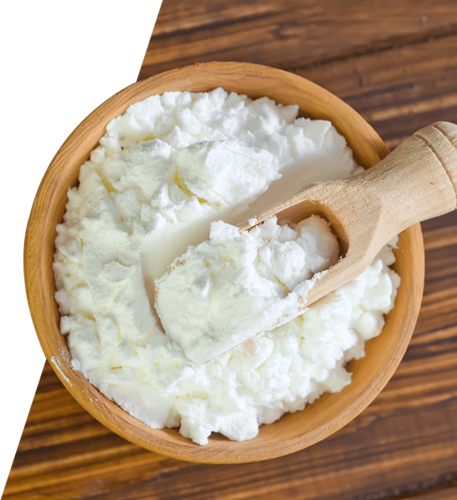
The Cationic Starch Market research report provides the latest industry data, growth, key segments and future trends on the basis of the detailed study.
This market report also allows you to identify the future opportunity and growth rate of the leading segment based on regions and countries.The research report also covers the comprehensive profiles of the key players in the market and an in-depth view of the competitive landscape worldwide.
The major players in the cationic starch market include Cargill, Galam, Grain Processing, Ingredion, Roquette, Santosh, Solam AB, SunarMisir, Tate & Lyle, Western Polymer and Others.
This section includes a holistic view of the competitive landscape that includes various strategic developments such as key mergers & acquisitions, future capacities, partnerships, financial overviews, collaborations, new product developments, new product launches, and other developments.Get more information on "Global Cationic Starch Market Research Report" by requesting FREE Sample Copy athttps://www.valuemarketresearch.com/contact/cationic-starch-market/download-sampleMarket DynamicsThe substantial use of cationic starch in the pulp and paper industry is primarily driving the market growth.
On the other hand, the fluctuating price of raw material and availability of substitutes may hamper the market growth.
Whereas, increasing scope of applications is expected to create potential opportunity during the forecast period.The report covers Porter’s Five Forces Model, Market Attractiveness Analysis and Value Chain analysis.