Introduction
Medical imaging—MRI, CT, X-ray, ultrasound and related systems—underpins modern diagnosis and treatment. As use and complexity expand, so do risks from device failures, improper use, and poor-quality imports. To protect patients and improve accountability, India has tightened oversight of imaging equipment, moving many devices squarely into the medical device regulatory framework.
Overview: Why stronger rules were needed
Historically, gaps in classification, inconsistent registration, and limited traceability left room for low-quality or misused imaging systems in clinical settings. Concerns included unsafe equipment, non-standard servicing, and unregulated sale of ultrasound units. These issues prompted government action to improve patient safety, device quality, and supply-chain transparency.
DTAB decision and legal classification
The Drugs Technical Advisory Board (DTAB) advised that selected imaging systems be regulated under the Drugs and Cosmetics Act, 1940. That recommendation provided the legal basis to treat many imaging products as medical devices, ensuring they fall under CDSCO jurisdiction for registration, approvals, and post-market control.
What imaging equipment is now covered
Products brought under stricter control include, but are not limited to:
- MRI and CT scanners
- X-ray systems and C-arms
- Linear accelerators and radiotherapy equipment
- Diagnostic ultrasound machines
- Mammography and advanced interventional imaging systems
The scope covers import, manufacture, distribution, and service provision for these categories, depending on classification and risk.
Mandatory CDSCO registration requirements
With reclassification, manufacturers and importers must meet CDSCO imaging equipment registration and approval norms. Key expectations include:
- Device classification and technical dossier submission
- Demonstration of compliance with applicable standards and performance testing
- Quality management system evidence (e.g., ISO 13485)
- Labeling, IFU, and safety information aligned with Indian requirements
- Local responsible person or authorized agent details for imports
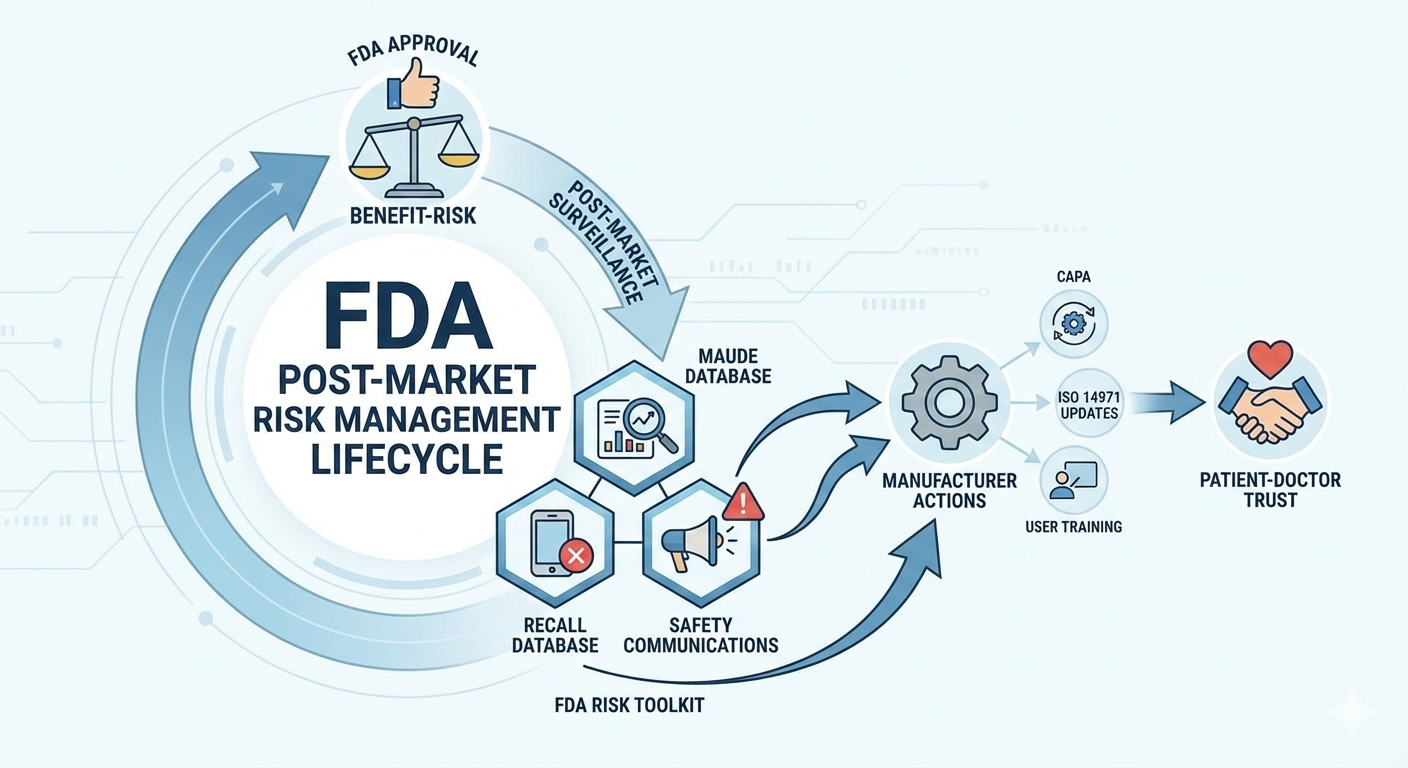
- Post-market surveillance and vigilance commitments
These requirements aim to ensure that devices marketed or used in India meet defined safety and performance criteria.
Preventing misuse of ultrasound and other systems
Misuse—especially of portable ultrasound—has been a major public-health concern. Strengthened rules support:
- Traceability through registration and import records
- Controls on distribution channels and end-user verification
- Clear labeling and instructions to limit off-label or unlawful clinical use
- Training expectations for operators and service personnel
Better tracking and accountability reduce opportunities for misuse and help enforce appropriate clinical governance.
Impact on manufacturers and importers
Stricter regulation raises compliance obligations. Practical implications include:
- Need to build or update technical dossiers and test data
- Increased documentation for manufacturing, servicing, and sterilization (where applicable)
- Investment in quality systems and possibly local infrastructure or authorized representation
- Potential changes in market timelines and cost of entry
- Smaller manufacturers and some importers will need to align operations quickly to avoid market disruptions.
Benefits of strengthened regulation
Tighter oversight yields multiple benefits:
- Improved patient safety and device reliability
- Greater transparency in the supply chain and product provenance
- Better alignment with international regulatory practices, facilitating exports and global acceptance
- Clearer expectations for manufacturers, reducing ambiguity during approvals and audits
- Overall, the measures aim to raise the baseline quality of imaging services across the health system.
Practical next steps for stakeholders
Manufacturers, distributors, and healthcare providers should:
- Review product portfolios to identify affected devices.
- Prepare or update technical documentation and QMS evidence.
- Establish local representation or authorized agents for imports.
- Strengthen post-market surveillance and complaint handling processes.
- Train clinical users and service engineers on device-specific safety and regulatory obligations.
Early engagement with regulatory experts can streamline these steps and reduce approval delays.
Conclusion
India’s move to regulate imaging equipment more strictly reflects legitimate patient-safety and quality priorities. Mandatory CDSCO registration, clearer classification under DTAB guidance, and focused measures to prevent ultrasound misuse create a more accountable ecosystem for medical imaging devices. Manufacturers and importers must adapt documentation, quality systems, and supply-chain practices to meet new expectations. For practical, standards-aligned assistance with CDSCO imaging equipment registration and compliance, review resources on CDSCO regulation for imaging equipment in India and consider expert regulatory support from experienced consultants such as Operon Strategist.
)