Introduction
Selecting the right manufacturing site is a critical strategic decision for medical device companies. Unlike general manufacturing, medical device production is tightly regulated and closely scrutinized by global authorities. The location of a facility directly influences regulatory compliance, operational efficiency, scalability, and long-term business success. A well-chosen site supports quality systems, smooth approvals, and sustainable growth, while a poor choice can lead to delays, compliance risks, and cost overruns.
Why Site Selection Matters in Medical Device Manufacturing
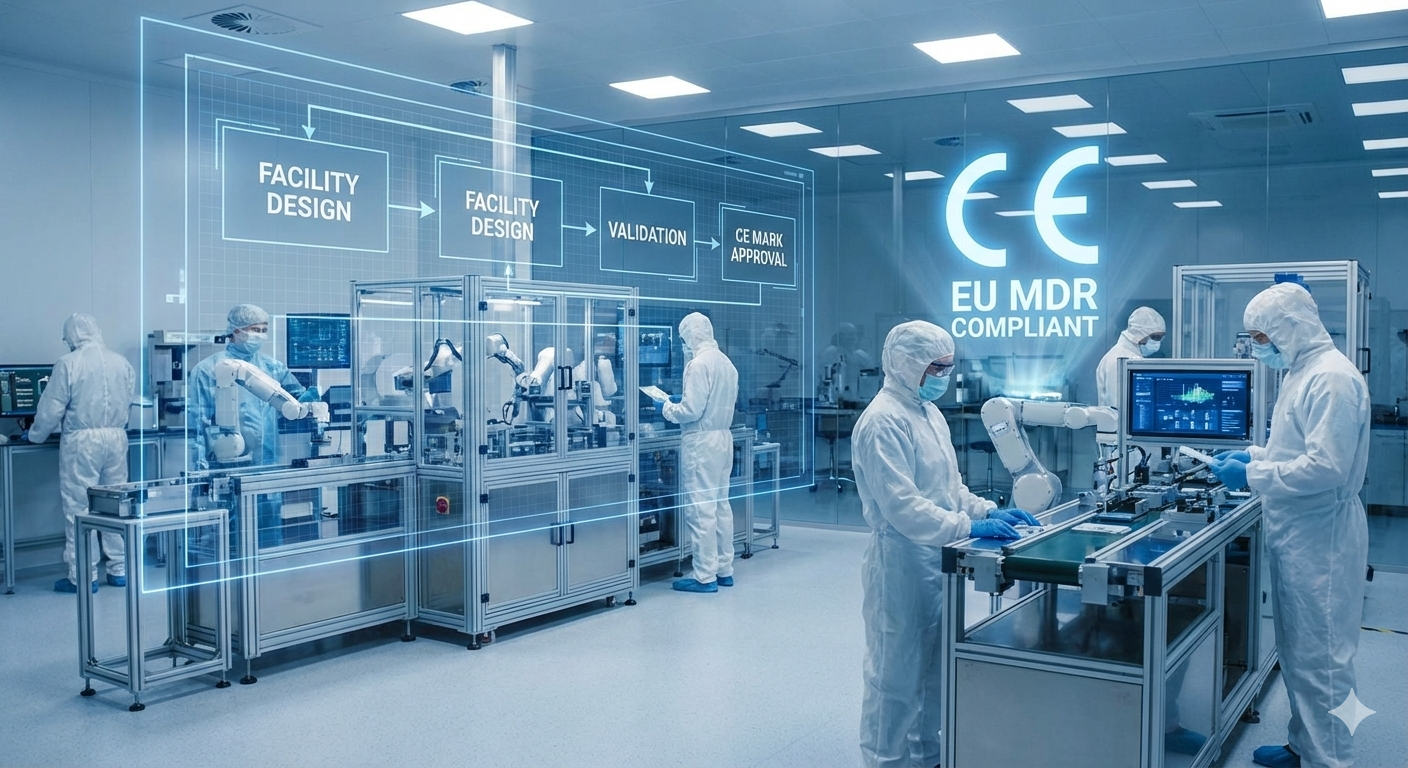
Medical device manufacturing sites must meet stringent requirements under ISO 13485, FDA QSR, and EU MDR. Beyond compliance, site selection affects access to skilled talent, supply chain efficiency, and the ability to serve global markets. Since regulatory audits and inspections focus heavily on facility readiness, infrastructure, and process control, the manufacturing location becomes a foundation for both compliance and competitiveness.
Tip 1: Availability of a Skilled Workforce
A competent workforce is essential for maintaining product quality and regulatory compliance. Manufacturing locations should have access to professionals experienced in GMP practices, ISO 13485 quality systems, validation, and regulatory documentation. Proximity to technical institutes, engineering colleges, and healthcare manufacturing clusters helps ensure a steady talent pipeline and reduces training time for critical roles.
Tip 2: Cost of Doing Business
While cost should not be the sole factor, it plays an important role in long-term sustainability. Manufacturers should evaluate utilities, labor costs, infrastructure reliability, and ongoing compliance expenses. A location that appears inexpensive initially may become costly if it lacks reliable power, water quality, waste management, or skilled personnel needed to meet regulatory expectations over time.
Tip 3: Regulatory and Tax Environment
The ease of obtaining manufacturing licenses, environmental clearances, and local approvals varies by region. A supportive regulatory environment reduces approval timelines and compliance risks. Locations aligned with export regulations and global standards make it easier to access international markets and respond to audits from multiple regulatory authorities.
Tip 4: Transportation and Supply Chain Connectivity
Efficient logistics are vital for raw material sourcing, testing, and product distribution. Manufacturing sites should have good access to highways, ports, airports, and reliable logistics providers. Proximity to suppliers, calibration facilities, and testing laboratories improves operational efficiency and supports controlled handling of sensitive or sterile medical devices.
Tip 5: Community Support and Government Incentives
Local government support can significantly influence project timelines and operational stability. Medical device parks, industrial clusters, and special economic zones often provide shared infrastructure, faster approvals, and financial incentives. A supportive local ecosystem also helps manufacturers scale operations and adapt to regulatory or market changes.
Common Mistakes in Site Selection
Manufacturers often underestimate regulatory readiness, focusing too heavily on short-term cost savings. Ignoring workforce availability, logistics challenges, or future expansion needs can result in compliance gaps and operational inefficiencies that are difficult to correct later.
How Strategic Site Selection Supports Growth and Compliance
A carefully selected manufacturing site simplifies regulatory approvals, improves audit readiness, and supports consistent quality outcomes. It enables smoother scaling, better risk management, and stronger positioning in global markets. Strategic site planning ultimately reduces compliance burden while supporting sustainable business growth.
Conclusion
Medical device manufacturing site selection is a long-term strategic decision that impacts compliance, quality, and scalability. By considering workforce availability, costs, regulatory environment, logistics, and local support, manufacturers can build facilities that meet global standards and support future growth. For organizations seeking deeper insight into regulatory-aligned site planning, resources such as medical device manufacturing site selection guidance from Operon Strategist provide valuable perspective on aligning facility decisions with global compliance expectations.
Read More at- 5 Essential Tips for Medical Device Manufacturing Site Selection