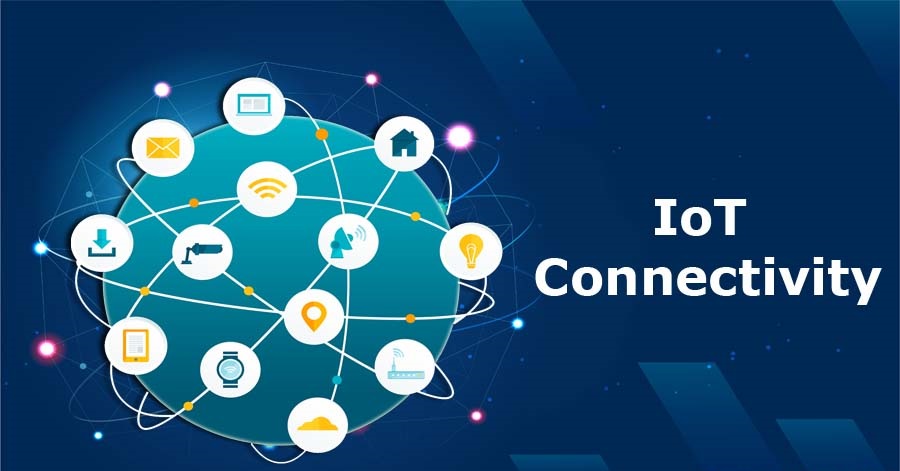



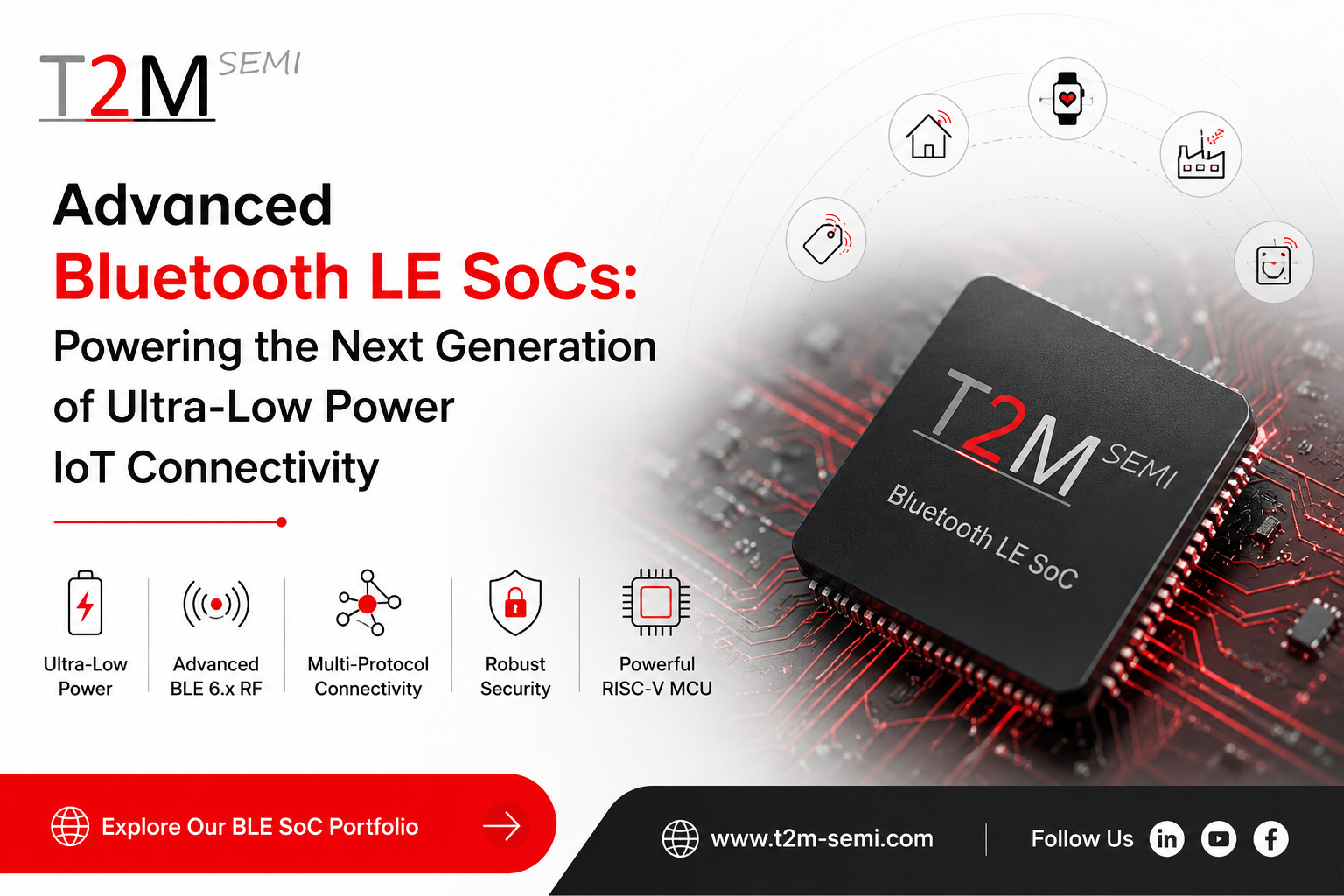
The rapid growth of smart electronics over the past decade has transformed how people interact with technology in everyday life. From wearable fitness bands and smart lighting systems to wireless sensors and connected medical devices, modern products are becoming smaller, faster, and more energy-efficient. At the center of this transformation lies semiconductor System-on-Chip (SoC) technology, which integrates multiple electronic components into a single compact chip. These highly efficient semiconductor solutions are enabling manufacturers to build intelligent devices that consume less power while delivering greater performance and connectivity.
A System-on-Chip combines processing units, wireless communication modules, memory interfaces, and power management systems into one integrated platform. This integration reduces the need for multiple discrete components, which in turn lowers production cost, minimizes physical size, and improves overall energy efficiency. For industries focused on portable or battery-operated devices, such as IoT sensors or wearable gadgets, this efficiency is crucial. Devices that once required frequent charging can now operate for months or even years on a single battery due to optimized semiconductor design.
Wireless connectivity is another major driver behind the demand for advanced SoCs. Technologies such as Bluetooth Low Energy (BLE), Zigbee, Thread, Wi-Fi, and cellular IoT protocols allow devices to communicate seamlessly with smartphones, cloud platforms, and other connected systems. These protocols are designed to maintain reliable communication while keeping energy usage extremely low. As smart homes, industrial automation, and remote monitoring systems continue to expand, the need for chips that support multiple wireless standards in a single architecture has become increasingly important.
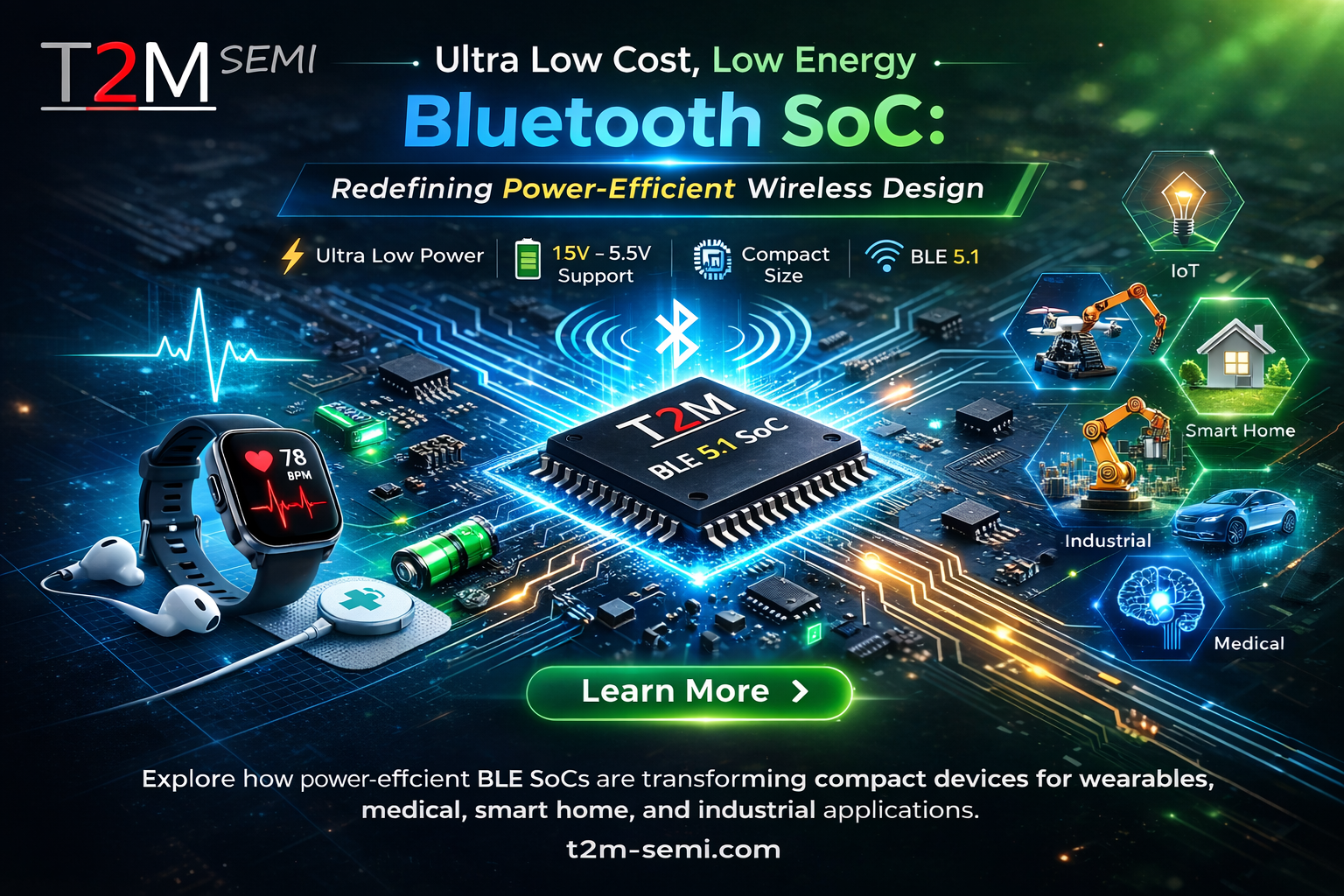
Low-power semiconductor platforms also play a vital role in cost-sensitive applications. Products like electronic shelf labels, remote controls, smart meters, and wireless input devices must remain affordable while still offering dependable performance. Efficient chip design enables manufacturers to balance cost, functionality, and battery life without sacrificing quality. By reducing hardware complexity and optimizing power consumption, semiconductor providers help companies bring competitive products to market more quickly and at a lower overall cost.
Beyond consumer electronics, semiconductor SoCs are influencing healthcare, transportation, and industrial sectors. Connected medical devices benefit from reliable wireless communication and compact chip design, allowing continuous monitoring and data transmission without bulky hardware. In automotive and industrial environments, intelligent sensors and embedded controllers improve safety, predictive maintenance, and operational efficiency. These advancements highlight how semiconductor innovation extends far beyond smartphones and laptops into critical real-world applications.
Another important aspect of modern semiconductor development is software integration. Hardware alone cannot deliver full value without optimized firmware, protocol stacks, and development tools. Many chip platforms now include pre-validated software libraries that simplify integration for product designers. This approach reduces development time, lowers technical risk, and allows companies to focus on product differentiation rather than low-level engineering challenges. As a result, startups and established manufacturers alike can accelerate innovation cycles and respond more quickly to market demands.
Energy efficiency remains a central theme in semiconductor progress. With global emphasis on sustainability and reduced power consumption, low-energy chip architectures contribute to greener technology ecosystems. Devices that consume minimal electricity not only extend battery life but also reduce environmental impact when deployed at scale, such as in smart cities or industrial sensor networks. The combination of performance optimization and environmental responsibility positions semiconductor SoCs as a cornerstone of future digital infrastructure.
Looking ahead, the semiconductor industry is expected to continue evolving toward higher integration, smarter power management, and enhanced connectivity capabilities. Emerging areas such as edge artificial intelligence, ultra-wideband communication, and advanced security features will further expand the role of SoCs in everyday technology. As demand for intelligent, connected, and energy-efficient products grows, semiconductor innovation will remain a key enabler of progress across industries.
In essence, low-power semiconductor SoCs are not just components inside electronic devices—they are the foundation that allows modern technology to become smaller, smarter, and more sustainable. Their continued advancement will shape the future of connected living, intelligent automation, and digital transformation worldwide.

In this report, our team offers a comprehensive analysis of Connectivity Platforms for IoT Devices market, SWOT analysis of the most prominent players in this landscape.
Along with an industrial chain, market statistics in terms of revenue, sales, price, capacity, regional market analysis, segment-wise data, and market forecast information are offered in the full study, etc.
Download Free Sample Report @ https://www.radiantinsights.com/research/global-connectivity-platforms-for-iot-devices-market-2020-2026/request-sample This report focuses on top manufacturers in global market, Involved the assessment of Sales, price, revenue and market share for each manufacturer, covering• AT• Telit• Cisco• Vodafone• Ericsson• Verizon• Telefnica• Sierra Wireless• Huawei• Orange• Moeco• Hologram• Sigfox• Aeris• EMnify• Particle On the basis of product, this report displays the Sales, revenue, price, market share and growth rate of each type, primarily split into• Platform• Services (Professional Services)• Managed Services By Application, this report focuses on Sales, Market share and Growth Rate of each application, can be divided into• Large Enterprises• SMEs By Regions, this report splits global market into several key regions, with Sales, Revenue, Price and Gross Margin market share of top players in these regions, from 2014 to 2026 (forecast), like• China• USA• Europe• Japan• Korea• India• Southeast Asia• South America Browse Full Research Report with TOC @ https://www.radiantinsights.com/research/global-connectivity-platforms-for-iot-devices-market-2020-2026 Table of Contents Global Connectivity Platforms for IoT Devices Market Professional Survey Report 20191 Report Overview1.1 Definition and Specification1.2 Manufacturers and Region Overview1.2.1 Manufacturers Overview1.2.2 Regions Overview1.3 Type Overview1.3.1 Platform1.3.2 Services (Professional Services)1.3.3 Managed Services1.4 Application Overview1.4.1 Large Enterprises1.4.2 SMEs1.5 Industrial Chain1.5.1 Connectivity Platforms for IoT Devices Industrial Chain1.5.2 Upstream1.5.3 Downstream 2.1 The Overall Market Performance(Volume)2.1.1 Platform2.1.2 Services (Professional Services)2.1.3 Managed Services2.2 The Overall Market Performance(Value)2.2.1 Platform2.2.2 Services (Professional Services)2.2.3 Managed Services 3 Global Connectivity Platforms for IoT Devices Market Assessment by Application3.1 Overall Market Performance (Volume)3.2 Large Enterprises3.3 SMEs 4 Competitive Analysis4.1 AT4.1.1 AT Profiles4.1.2 AT Product Information4.1.3 AT Connectivity Platforms for IoT Devices Business Performance4.1.4 SWOT Analysis4.2 Telit4.2.1 Telit Profiles4.2.2 Telit Product Information4.2.3 Telit Connectivity Platforms for IoT Devices Business Performance4.2.4 SWOT Analysis4.3 Cisco4.3.1 Cisco Profiles4.3.2 Cisco Product Information4.3.3 Cisco Connectivity Platforms for IoT Devices Business Performance4.3.4 SWOT Analysis Continued… Read all Reports of this category @ https://www.radiantinsights.com/catalog/ict About Radiant InsightsRadiant Insights is a platform for companies looking to meet their market research and business intelligence requirements.
It assists and facilitate organizations and individuals procure market research reports, helping them in the decisions making process.
The Organization has a comprehensive collection of reports, covering over 40 key industries and a host of micro markets.
In addition to over extensive database of reports, experienced research coordinators also offer a host of ancillary services such as, research partnerships/ tie-ups and customized research solutions.
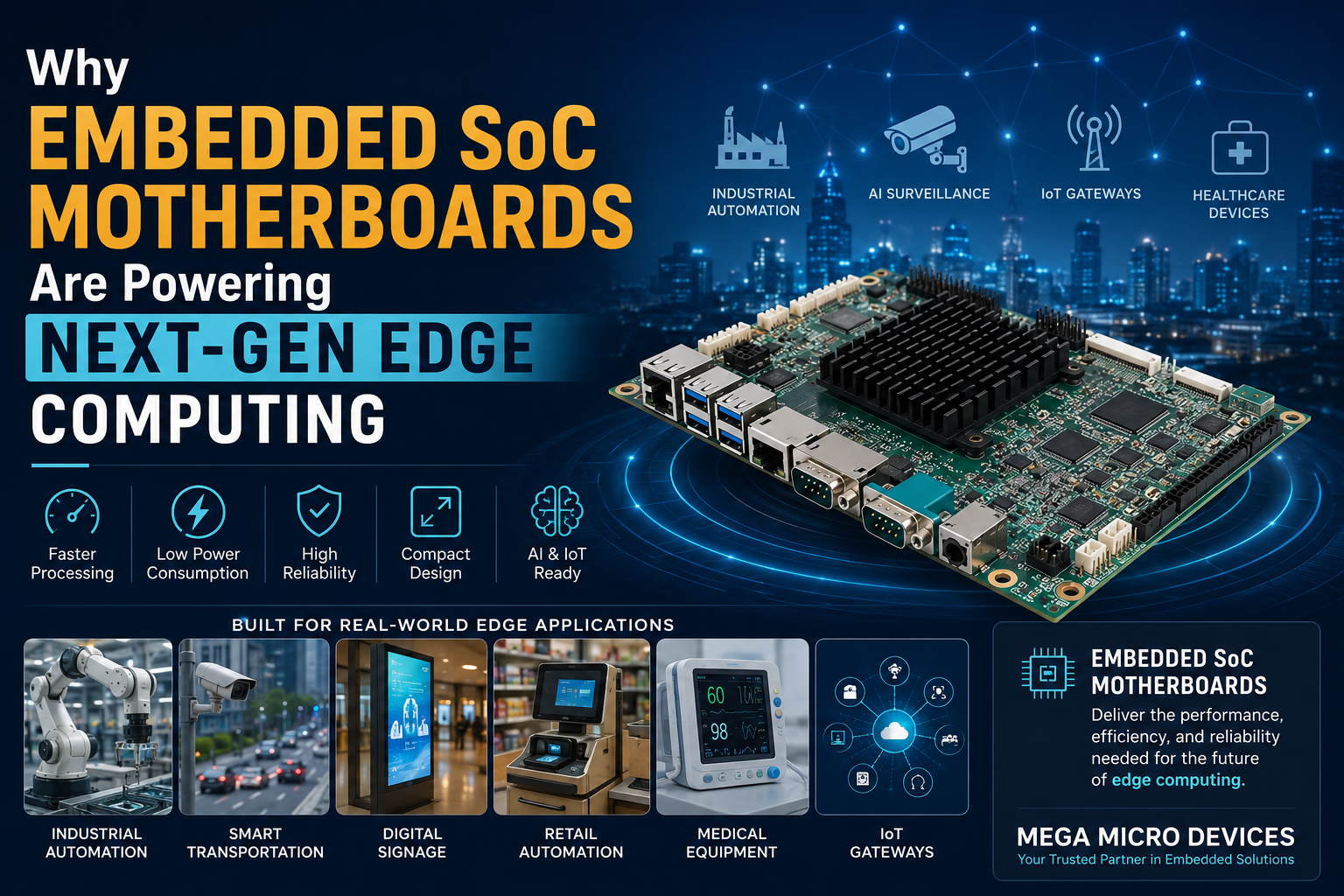
Introduction
The demand for real-time data processing is growing faster than ever. Businesses no longer want delays caused by sending data back and forth to centralized cloud