

In today’s digital age, Wi-Fi has become one of the most essential technologies driving connectivity across homes, workplaces, and public spaces. From simple web browsing to complex IoT ecosystems, Wi-Fi enables seamless wireless communication and data exchange between devices. But what exactly makes Wi-Fi so integral to modern technology, and how does it continue to evolve to meet growing demands?
What Is Wi-Fi and How Does It Work?
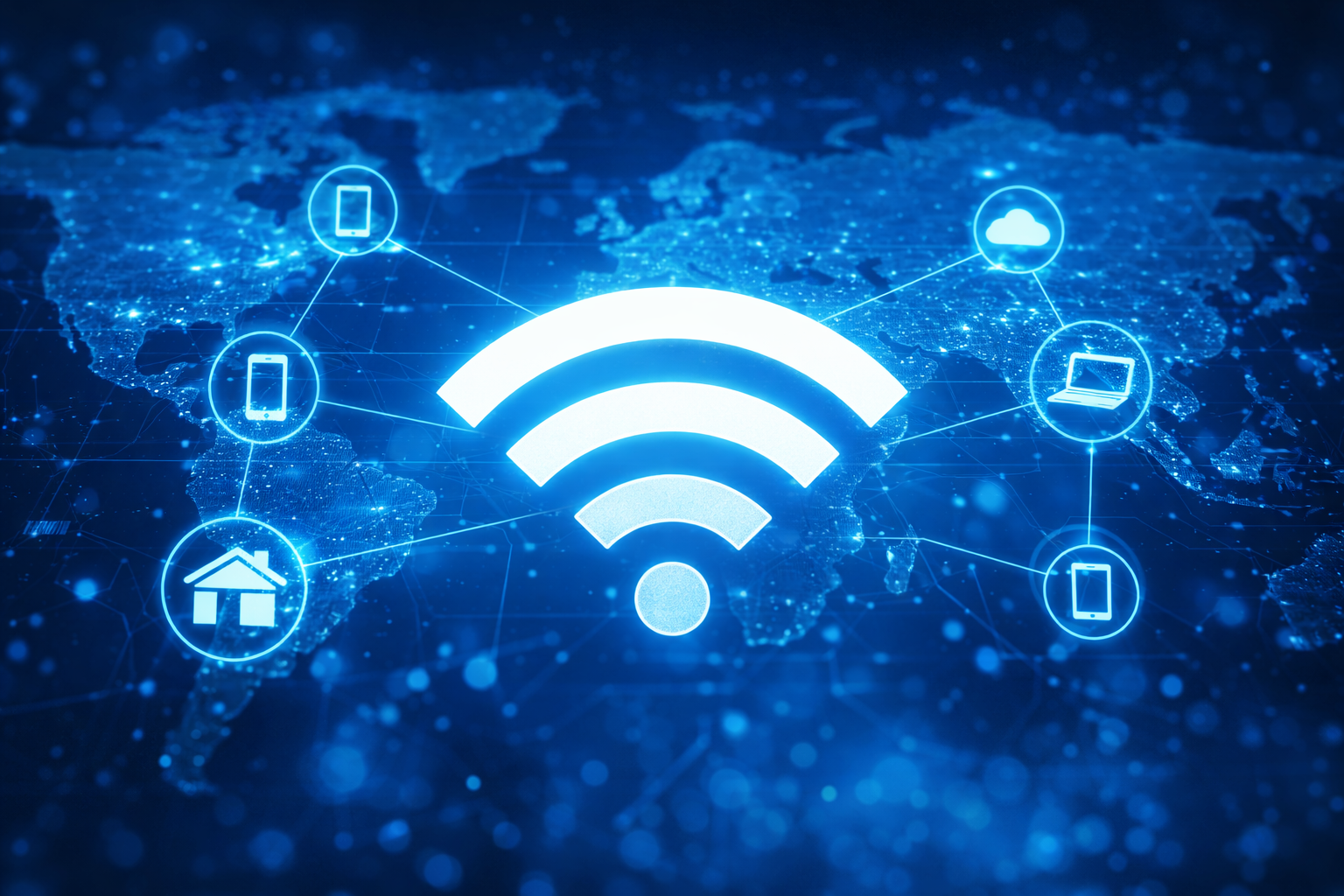
Wi-Fi is a wireless networking technology that allows devices such as smartphones, laptops, smart appliances, and other electronics to connect to the internet or communicate with each other without the need for physical, wired connections. It uses radio waves to transmit data between devices and access points (such as routers), providing flexibility and mobility for users.
At its core, Wi-Fi operates using standards developed by the IEEE (Institute of Electrical and Electronics Engineers), specifically the 802.11 family of protocols. These standards define how data is formatted and transmitted over radio waves, ensuring interoperability between devices from different manufacturers.
Key Advantages of Wi-Fi
Wi-Fi technology offers several benefits that have contributed to its widespread adoption:
Wireless Freedom: Users can connect to networks without cables, enabling mobility and convenience.
High Speed: Modern Wi-Fi standards deliver fast data speeds suitable for streaming, gaming, video conferencing, and more.
Multiple Device Support: A single Wi-Fi network can support a wide range of devices simultaneously.
Wide Availability: Wi-Fi access is now common in homes, businesses, airports, and public spaces worldwide.
Scalability: Wi-Fi networks can grow from small home installations to large enterprise deployments.
Wi-Fi Standards and Evolution
Wi-Fi technology has evolved significantly over the years to keep pace with performance and capacity demands:
802.11n: Brought improved speed and range using multiple antennas.
802.11ac: Popularized high throughput with gigabit-class speeds on the 5 GHz band.
802.11ax (Wi-Fi 6): Enhanced performance in crowded environments, better battery efficiency, and support for more devices.
Emerging Wi-Fi 6E and Wi-Fi 7: Expand available spectrum and push speeds and reliability even further, especially for enterprise, industrial, and advanced residential applications.
Each generation aims to deliver more efficient data handling, better interference mitigation, and stronger performance in dense network conditions.
Why Wi-Fi Is Important for Modern Applications
Wi-Fi’s impact reaches far beyond basic internet access:
Smart Homes
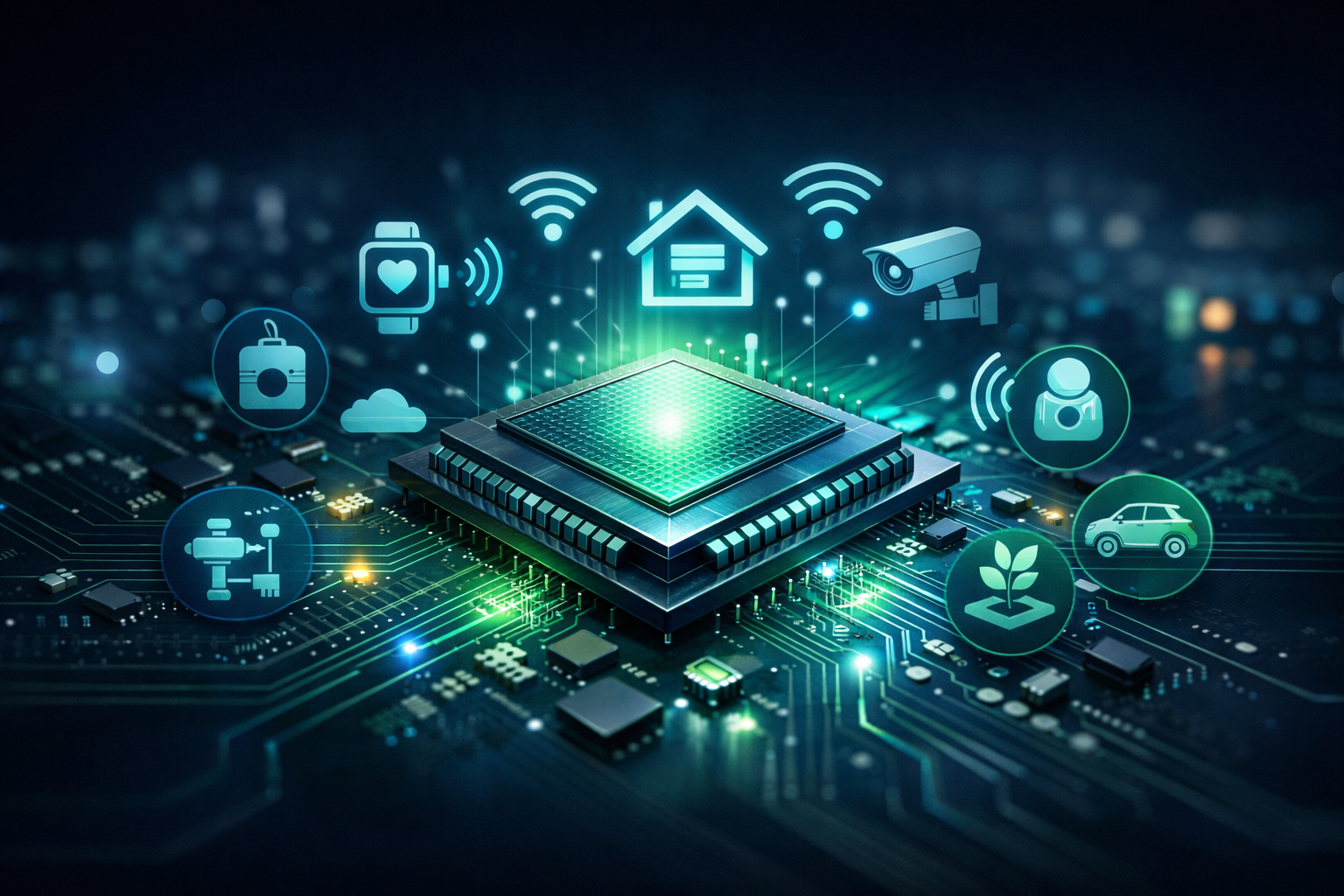
Wi-Fi connects an array of smart devices — from thermostats and security cameras to smart speakers and appliances — enabling automation, remote control, and unified systems that enhance daily life.
Workplaces and Education
Schools, offices, and other institutions rely on Wi-Fi for collaborative learning, cloud services, virtual meetings, and business operations.
Entertainment
Streaming video, online gaming, and media sharing all depend on reliable Wi-Fi connectivity to deliver rich, uninterrupted experiences.
IoT and Industry
Industrial sensors, asset trackers, healthcare monitors, and other Internet of Things (IoT) devices often use Wi-Fi to transmit data, support analytics, and enable real-time automation.
Challenges and Future of Wi-Fi
Despite its widespread use, Wi-Fi faces challenges related to interference, spectrum congestion, and security. Continuous improvements in standards aim to address these limitations while enhancing efficiency, speed, and reliability.
The future of Wi-Fi includes greater use of higher frequency bands, tighter integration with cellular technologies, improved energy efficiency, and support for even larger networks of connected devices. This progress ensures Wi-Fi remains a foundation of ubiquitous connectivity.
Conclusion
Wi-Fi has fundamentally changed how people connect, work, play, and communicate. It provides a flexible, scalable, and high-speed means of wireless connectivity that continues to adapt to the needs of modern users and emerging technologies. As Wi-Fi standards evolve and expand into new applications, this semiconductor technology will continue to be a cornerstone of the connected world.