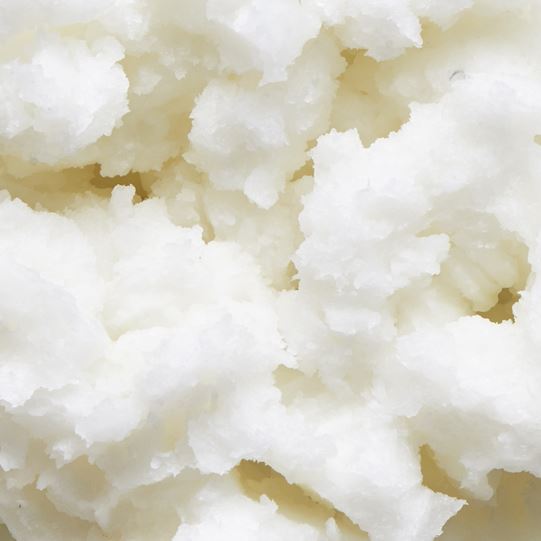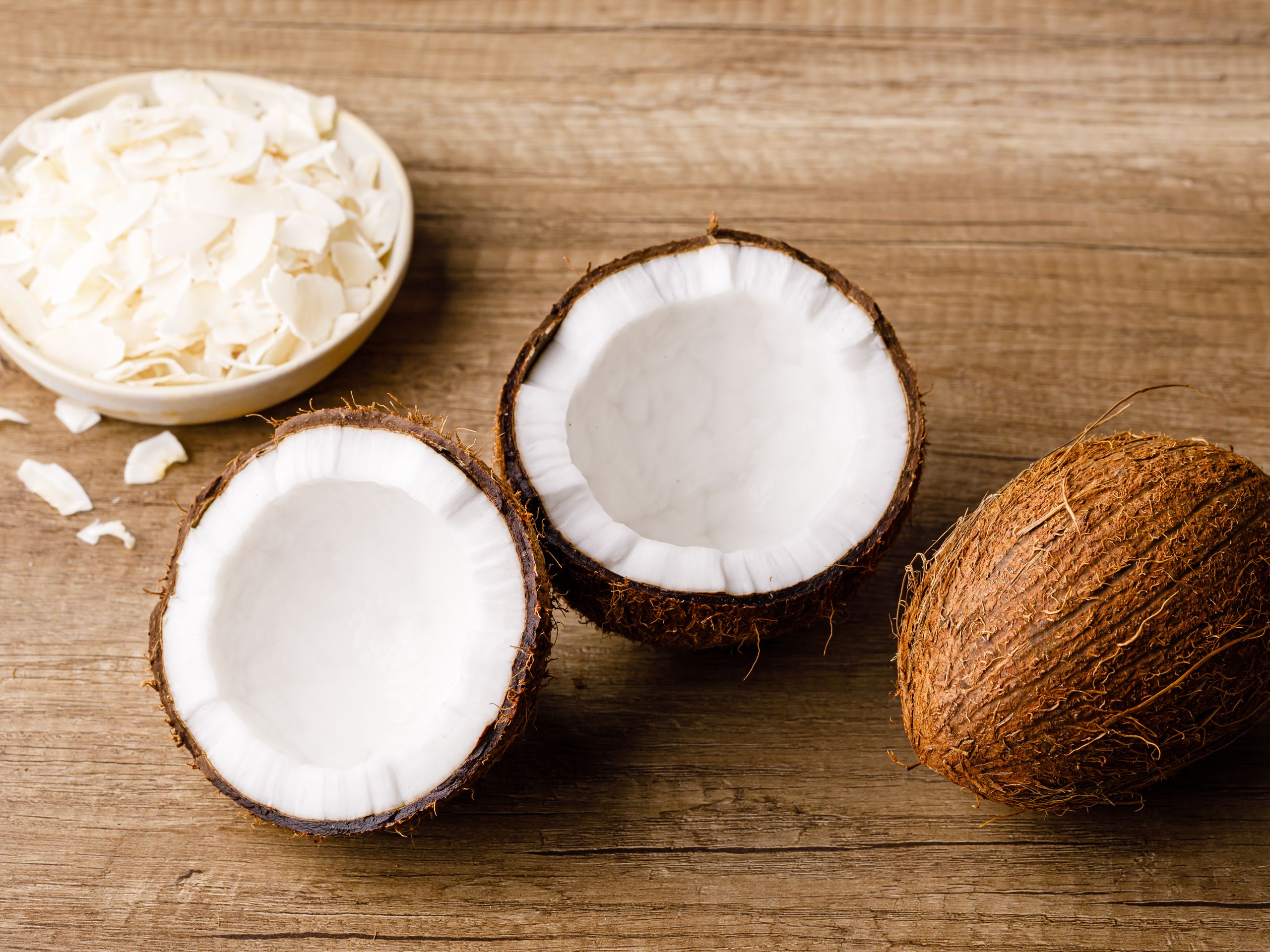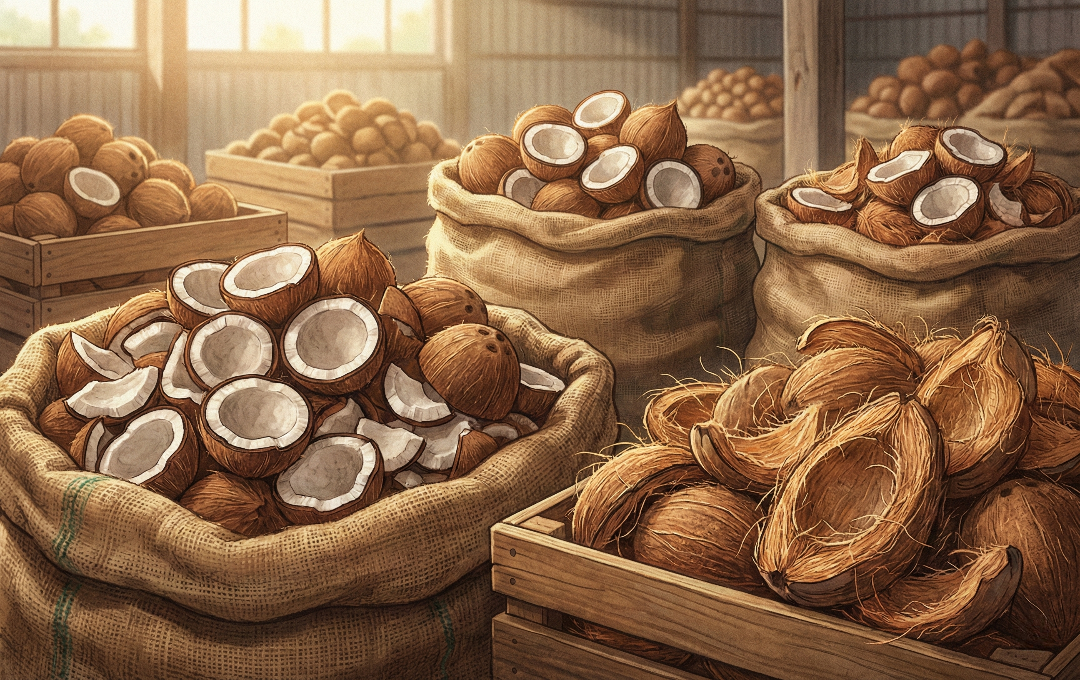
The international coconut trade has evolved significantly over the past decade. Once considered a niche commodity in certain regions, coconut products are now widely used across food processing, hospitality, retail, and manufacturing industries. Among the various coconut derivatives, dry coconut remains one of the most consistently traded due to its longer shelf life, storage stability, and versatility.
For global buyers, sourcing dry coconut in bulk is a strategic decision. It affects product quality, cost efficiency, and supply chain reliability. While pricing is always a factor, experienced importers know that successful procurement depends on a broader evaluation of quality standards, supplier consistency, and export readiness.
This article explores how professional buyers approach bulk dry coconut sourcing and what differentiates dependable supply channels from risky ones.
Rising Global Demand for Coconut Products
Coconut-based ingredients are now common in a wide range of food categories. Bakeries use coconut in desserts and fillings, snack producers incorporate coconut into health-oriented products, and traditional cuisines continue to rely on coconut as a staple ingredient.
Several trends have contributed to this demand:
Growth in plant-based food markets
Increased popularity of tropical flavors
Expansion of global food trade
Consumer interest in natural ingredients
These trends have encouraged importers to establish long-term coconut sourcing strategies rather than relying on spot purchases.
Why Bulk Buyers Focus on Origin
The origin country plays a major role in coconut sourcing. Climate, farming practices, and processing infrastructure all influence final product quality.
Reliable coconut-producing regions typically offer:
Favorable growing conditions
Skilled harvesting methods
Structured drying processes
Export-oriented supply chains
When buyers source from origins known for stable production, they reduce supply uncertainty and improve planning accuracy.
Quality Factors That Matter in Bulk Purchases
Professional importers rarely evaluate dry coconut based on appearance alone. Instead, they consider multiple technical factors:
Moisture Content
Proper drying ensures longer shelf life and lowers spoilage risk. High moisture can compromise storage stability during transit.
Clean Processing
Dry coconut should be processed in hygienic environments to prevent contamination. Clean handling protects food safety standards.
Consistency
Uniform batches help food manufacturers maintain predictable production outcomes.
Packaging Integrity
Export-grade packaging protects against humidity and physical damage. Good packaging also supports longer shipping durations.
The Role of Supplier Reliability
Reliability is often the deciding factor in bulk trade. A supplier who delivers consistent quality and on-time shipments creates long-term value for buyers.
Importers commonly assess:
Communication responsiveness
Order handling efficiency
Volume capacity
Track record of deliveries
A dependable bulk dry coconut supplier
can help buyers reduce operational disruptions and maintain stable product supply.
Logistics Considerations in Dry Coconut Trade
Even though dry coconut is less perishable than fresh produce, logistics still require careful coordination. Factors like humidity exposure, container conditions, and transit time can influence quality.
Experienced buyers plan shipments based on:
Seasonal demand cycles
Transit duration
Storage readiness
Documentation preparation
Proactive logistics planning helps avoid unnecessary risks.
Long-Term Partnerships vs Spot Buying
While spot buying may offer occasional cost advantages, it often carries higher uncertainty. Long-term partnerships provide better predictability and mutual understanding between buyers and suppliers.
Benefits of long-term sourcing relationships include:
Consistent quality
Better coordination
Easier dispute resolution
Improved planning accuracy
Many seasoned importers view supplier trust as a competitive advantage.
Digital Research and Supplier Discovery
Today’s buyers rely heavily on online research before selecting suppliers. Digital visibility plays a role in initial evaluation, but professional buyers still verify details through direct communication and sampling.
Common research steps include:
Reviewing supplier websites
Comparing multiple exporters
Checking responsiveness
Requesting samples
Evaluating shipment reliability
This structured approach helps buyers identify credible suppliers and avoid unnecessary risk.
Practical Advice for New Importers
New buyers entering the coconut trade can benefit from a cautious approach:
Begin with trial shipments
Confirm product specifications
Verify packaging details
Communicate expectations clearly
Plan orders ahead of peak seasons
Gradual scaling allows buyers to build confidence in supplier performance.
Final Thoughts
Dry coconut remains a stable commodity in global food trade. Its long shelf life and broad usage ensure continued demand across industries. However, successful sourcing requires more than price comparison.
Quality control, logistics readiness, and supplier reliability all play essential roles in building a dependable supply chain. Buyers who focus on these factors often experience fewer disruptions and stronger long-term outcomes.
As international food markets continue to expand, thoughtful sourcing strategies will remain critical for importers aiming to stay competitive and consistent.